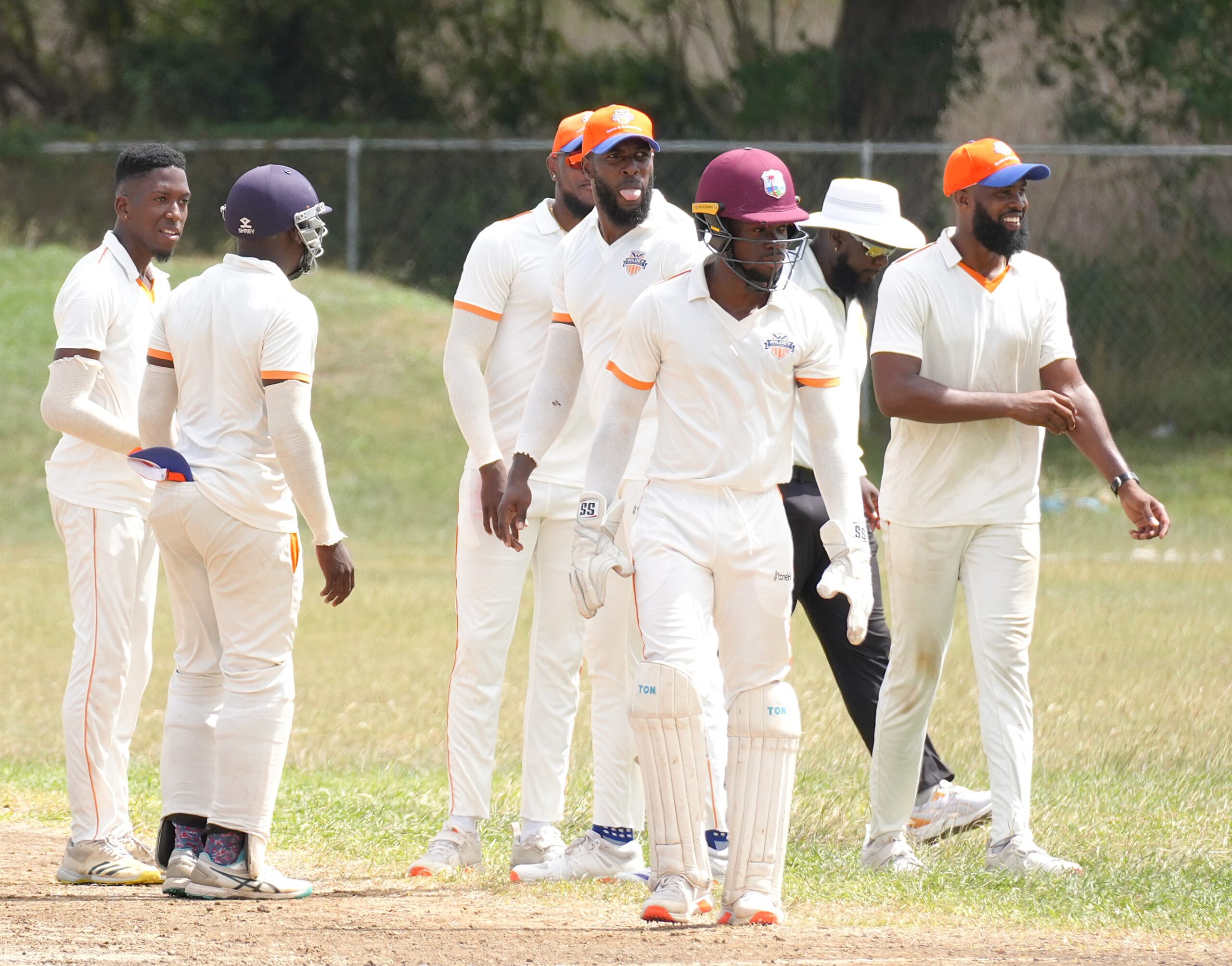
Controversy has erupted around two high-stakes club cricket rulings in Barbados, pushing the Barbados Cricket Association (BCA) to break its long-standing practice of only publishing final decision outcomes and address widespread public criticism of its Complaints and Disputes Committee head-on. The BCA has now released full reasoning behind the two disputed rulings from the recently concluded 2026 Elite and First Division seasons, while also pushing back against unsubstantiated claims of institutional bias and defamatory remarks targeting its leadership, staff and adjudicators. After weeks of unregulated public debate that the BCA says has been marked by widespread misunderstanding of competition rules and disciplinary processes, the governing body is implementing a permanent shift in how it communicates match protest rulings to the public. The first contested decision centers on a First Division match between Yorkshire and Carlton at the Desmond Haynes Oval back in April. Yorkshire filed an official protest after the match, arguing that Carlton had violated playing regulations by using a player who had already competed that same day for Carlton’s Intermediate squad against the Psychiatric Hospital team as a late substitute. Carlton did not deny that the player had featured as a substitute following the conclusion of his lower-division fixture, but the club defended the call by arguing that the substitution did not alter the final match result and cited ongoing, widespread struggles for local clubs to field enough eligible players on matchdays. Yorkshire countered that the impact on the match result was irrelevant under the rules – a violation of eligibility rules had occurred, regardless of outcome, and that warranted a forfeiture. The Complaints and Disputes Committee unanimously backed Yorkshire’s argument, ruling that Carlton had clearly breached playing conditions and forfeited the match. All 16 points – 12 full match points plus four earned bowling points – were awarded to Yorkshire, while Carlton was stripped of all points from the fixture. In an unusual move, the committee itself acknowledged the systemic challenges Carlton cited, calling for the BCA to urgently revise substitute eligibility rules to better account for widespread player shortage struggles across local clubs. The BCA Board has also been asked to review the case to determine if any leniency can be granted to Carlton within the bounds of existing rules, and Yorkshire’s protest filing fee has already been refunded. The second controversial ruling dates to June, when Elite Division side Wildey filed a protest over Windward’s inclusion of player Kyle Ramdoo in their fixture at Dash Valley. Wildey argued that Ramdoo did not meet eligibility requirements, a claim that Windward’s own leadership confirmed during the adjudication process. According to the committee’s official report, Windward had initially registered Ramdoo, but was forced to deregister him after it was confirmed he had not completed official club membership. Ramdoo had only arrived in Barbados on June 11, just 48 hours before the match kickoff, leaving insufficient time to complete the mandatory membership approval process. The hearing also revealed deep internal division within Windward over the decision, with the club’s playing group openly pushing back against the leadership’s choice to deregister Ramdoo – a rift the committee described as “obvious turmoil” within the club. Adjudicators recommended that BCA leadership meet with Windward officials to help reconcile the internal split, but made clear that internal club disagreements did not override the clear eligibility rule violation. The committee ruled that only fully paid, approved club members are eligible to compete, and Windward’s use of an unapproved non-member violated this core regulation. As a result, all 20 points – 12 full match points, plus four bowling points and four batting points earned by Wildey – were awarded to the side, while Windward was stripped of all points from the fixture. Like Yorkshire, Wildey had its protest filing fee refunded in full. Alongside publishing details of the two rulings, the BCA issued a sharp rejection of widespread claims that its staff had improperly influenced clubs to file protests, or manipulated the adjudication process. The association stressed that all match protests must be filed within 24 hours of a match’s conclusion under official rules, and that claims of institutional interference are “just not tenable.” It also emphasized that the BCA Board of Directors has no involvement in the complaints process: once a protest is received by the BCA Secretariat, an independent panel of available Complaints and Disputes Committee members with no ties to either involved club is assembled to hear the case. “At no time is the complaint sent to and or discussed with any members of the Board,” the BCA said in its official statement. The BCA also addressed a separate incident that circulated widely on social media, which occurred during a Series 2 Intermediate competition fixture hosted by Empire. The association confirmed that the committee has heard the case and submitted formal recommendations to the BCA Board and involved clubs, but has chosen not to release any details because the incident involves a minor. The governing body explained that releasing sensitive information about the case could cause lasting harm to the child’s well-being and future prospects. Looking forward, the BCA says the recent controversy – which has included what it calls potentially defamatory statements targeting its leadership, staff and panel members – has prompted a permanent change to its communication policy for protest rulings, moving from only announcing final outcomes to publishing full reasoning for all major decisions to improve public understanding of local cricket rules and processes.
Association defends complaints process as Yorkshire and Wildey decisions made public