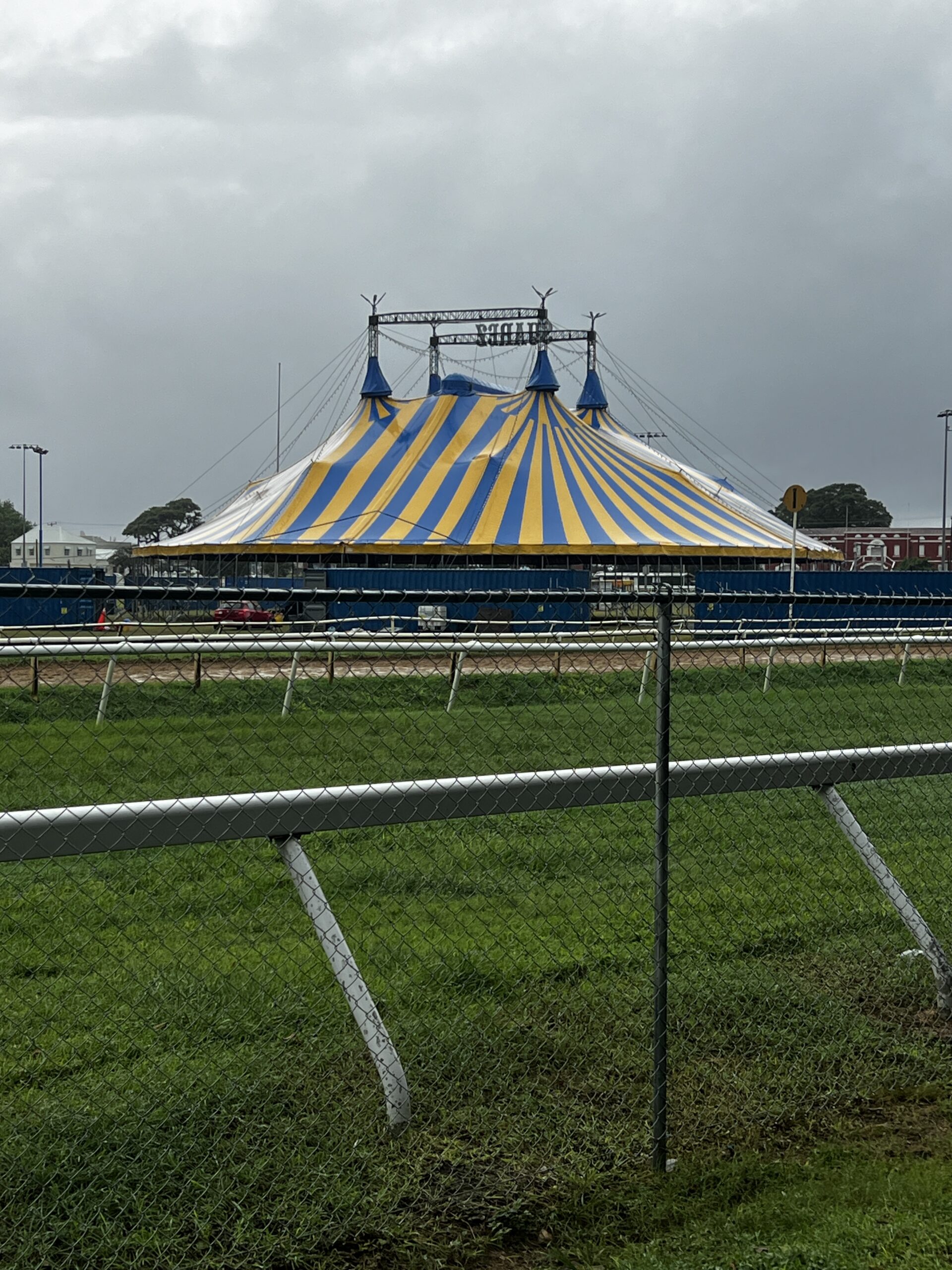
A high-profile former Barbados sports and recreation leader is doubling down on fierce criticism of a controversial government decision to move a traveling circus to the island’s iconic Garrison Savannah horse racing venue, calling the approval process opaque and economically short-sighted. The circus in question, operated by the Suarez Brothers, was forced to shut down just one week ago by local authorities just after its first show at its original planned site in Belle, St Michael. The shutdown came after regulators flagged that the location sat too close to Barbados’ largest underground aquifer, creating an unacceptable risk of contamination to the nation’s drinking water supply.
Almost immediately after the first site was rejected, government officials began floating the Garrison Savannah—Barbados’ most historic and active horse racing facility that also hosts regular rugby and football matches—as an alternative replacement site. Even before the location was finalized, Duane Burke, a former director of the Barbados Turf Club and one-time chair of the venue, emerged as the most prominent opponent to the plan. Now that the relocation to the Savannah has been officially confirmed, Burke has maintained his staunch opposition, taking particular aim at the lack of transparent communication between decision-makers and the stakeholders that will be most affected by the change.
Burke explained that his criticism is rooted in publicly available information, because neither the Barbados Turf Club leadership nor national government agencies have kept impacted community members informed throughout the process. “Everything that I’m telling you is from a binocular view because the communication coming from the turf club or from the government has been very minimal,” Burke said. “I’m not understanding why because at this point in time you should be engaging all your stakeholders and basically anyone in the industry, not just owners and trainers.”
Beyond the flawed approval process, Burke warns that the decision will carry steep, long-lasting economic costs that regulators have failed to account for. The Barbados Turf Club has already scrapped its planned September 5 raceday to make room for the circus, and unexpected heavy rainfall on Monday has already put a crowded upcoming raceday this Saturday at risk. Burke argues that the full economic fallout extends far beyond just canceled races.
By his calculation, racehorse owners alone inject $750,000 into Barbados’ national economy every month through routine horse care and maintenance. On top of that permanent economic activity, the Garrison Savannah hires 150 extra temporary workers for every raceday to staff starting stalls, manage betting booths, and support other on-site operations. This does not include the wider ecosystem of independent equine industry workers—from large-animal veterinarians to hay and feed suppliers—who rely on racing events for steady income, all of whom will lose earnings from canceled events.
Burke also points to a largely unaddressed risk of permanent damage to the Savannah’s playing surfaces that could create ongoing long-term disruption after the circus leaves. “What also has not been divulged or indicated is, if there are damages to say the rugby pitch, or if there is damage to the turf, or if the repairs take on significant expense, a lot of people don’t really take this into consideration,” he noted. “What if the track is damaged and you can’t race when the circus leaves? What if the rugby field cannot be put back into use right away?”
The former venue chair also questioned the logic of displacing ongoing amateur and professional rugby and football events at the Savannah just to accommodate a short-term traveling attraction. While the Suarez Brothers Circus will only operate on the island for a limited run, the Garrison Savannah and the Barbados Turf Club contribute consistent annual revenue to the national economy year-round. He also raised concerns that the approval sets a dangerous precedent for all sporting organizations across Barbados: if the government can easily displace one long-standing sports venue for a temporary attraction, no organization is safe from similar disruptions in the future.
“How did this all transpire in the first instance? Does that mean that the next time the circus wants to come to Barbados, that horse racing and rugby has to be interrupted again to facilitate the circus?” Burke asked. “This is not just a horse racing or rugby association issue. This is an entire sports in Barbados issue because of the ease with which the government has done this to a sporting organisation. Every sporting organisation should be viewing this through the lens that this could happen to them. They need to understand that this is a real possibility.”