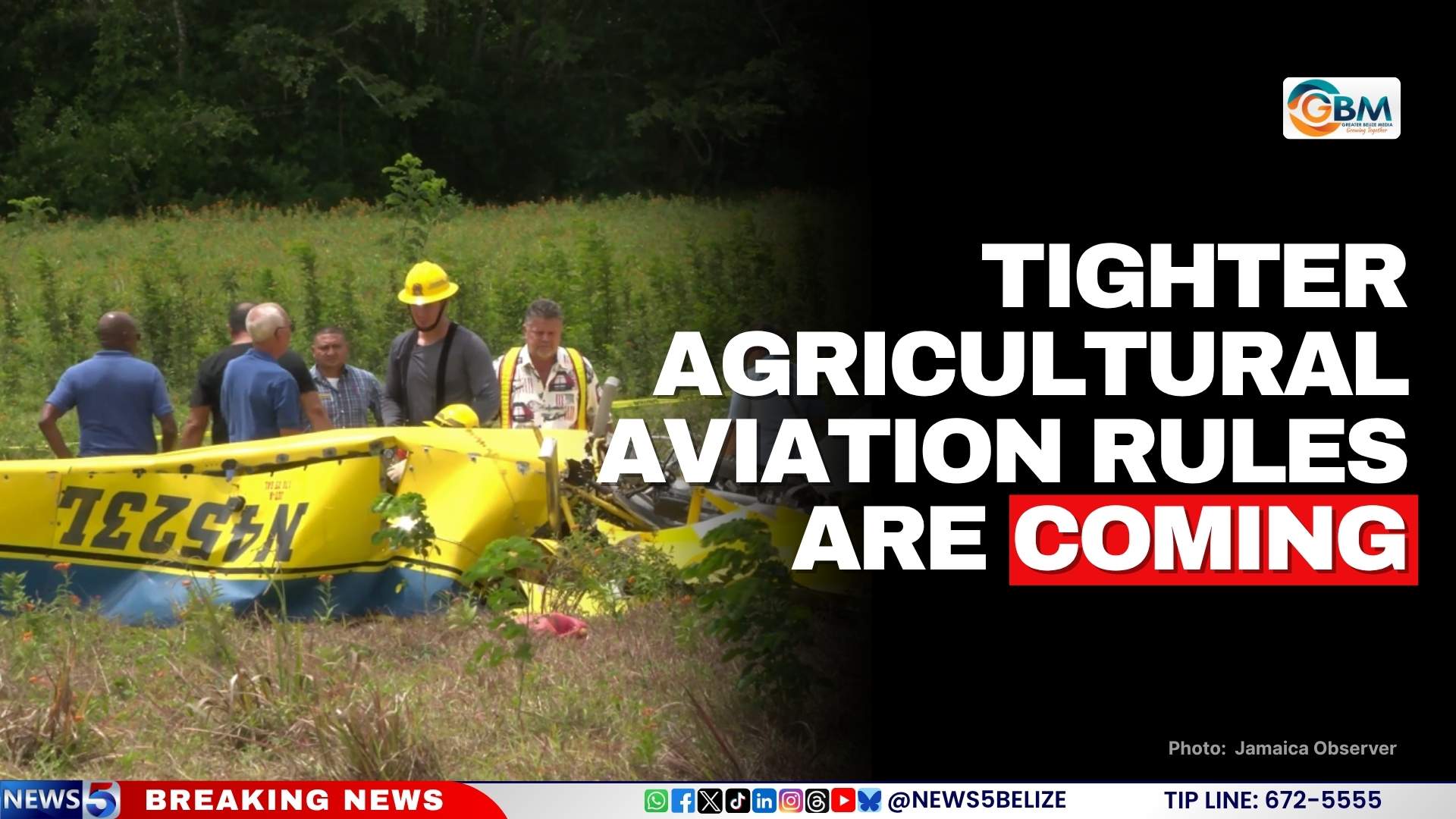
Following a series of fatal incidents in Belize’s agricultural aviation sector — most recently a July crash that claimed the life of experienced pilot Henry Plett while he conducted an aerial spraying mission in Spanish Lookout — the Belize Department of Civil Aviation (BDCA) has moved forward with plans to strengthen regulatory oversight and update industry safety standards.
In a formal statement released Thursday, BDCA confirmed that it hosted a working meeting with all licensed agricultural aviation operators on Tuesday to share preliminary safety investigation findings from recent accidents and outline urgent steps to reduce preventable risk across the sector. During the convening, agency officials presented a set of interim safety requirements that operators are mandated to implement immediately, tabled a proposal to develop far more rigorous standardized operational protocols for all aerial agricultural work, and emphasized that full regulatory certification and ongoing compliance will be a non-negotiable priority moving forward.
The upcoming regulatory adjustments will include multiple key reforms: more transparent and timely mandatory incident reporting processes, enhanced scrutiny of both operating personnel and aircraft maintenance and airworthiness, and structured cross-operator collaboration to formalize and disseminate industry-wide best safety practices. BDCA noted in its statement that “A safe agricultural aviation sector is a sustainable one,” framing the rule changes as a long-term investment in both worker protection and the stability of the agricultural industry that relies on aerial services.
Speaking in July shortly after Plett’s crash, BDCA Director Nigel Carter explained that the push for tighter rules is rooted in a proactive prevention-focused approach, rather than a reactive response alone. Carter emphasized that preliminary and final findings from the ongoing investigation into Plett’s death will directly shape updates to national regulations and operational procedures. “The Accident Investigation Unit will make certain safety recommendations, and then the Department of Civil Aviation will then analyse them and, where necessary, implement the necessary regulatory changes or procedural changes to ensure that we plug up that hole and prevent that type of accident from happening again,” Carter said in the July interview.