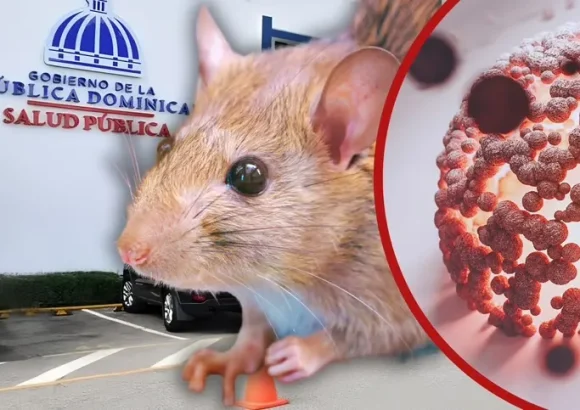
Leptospirosis, a preventable yet potentially deadly bacterial disease, has claimed 19 lives in the Dominican Republic in the first months of this year, according to leading national epidemiologist Héctor Balcácer. As of the latest public health update, the country has confirmed approximately 260 diagnosed cases of the infection across multiple regions, marking a significant public health concern for local health authorities.
In a public briefing outlining the current outbreak status, Balcácer detailed the core mechanisms of leptospirosis transmission. The disease spreads when humans come into direct or indirect contact with urine from animals carrying the pathogenic bacterium Leptospira. Contrary to common public misconceptions that only rats and other urban rodents carry the infection, the specialist emphasized that any mammal carrying the bacteria can transmit the disease to humans. This includes domestic animals, livestock, and wild mammals that may come into contact with shared water sources, soil, or food supplies used by local communities.
Public health officials have urged residents to take proactive precautions, such as avoiding contact with stagnant water in flood-prone areas, practicing proper hand hygiene after handling animals, and sealing food storage to prevent contamination by wildlife. The current case count underscores ongoing challenges in controlling environmental transmission of the disease in tropical regions, where warm, wet conditions can support bacterial survival outside of animal hosts.