The U.S. Department of State has launched a groundbreaking pilot initiative, selecting the Dominican Republic as its inaugural test site for a new visa screening policy that would mandate qualifying immigrant visa applicants to put up a financial bond if consular officials assess they could become a public charge during their time in the United States.
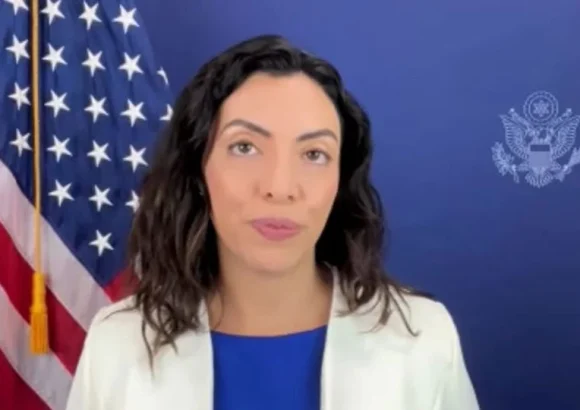
State Department spokesperson Natalia Molano clarified that the pilot framework is not a newly enacted piece of immigration legislation. Instead, it operates as an additional assessment mechanism integrated into the existing immigrant visa evaluation workflow. Under the new protocol, every applicant will undergo a personalized review, where consular staff weigh a range of key factors including documented personal financial resources, disclosed medical history, and submitted supporting affidavits or documents. Only after this thorough assessment will officers decide if a bond is required, and set the specific monetary amount for the guarantee.
For applicants that successfully meet all U.S. immigration eligibility criteria and obtain legal permanent resident status, the policy outlines a clear path for bond repayment. If the recipient does not access specified U.S. government means-tested financial assistance programs over the five years following their entry, the full value of the posted bond will be returned to the applicant.
Molano also moved to clear up widespread potential confusion around the scope of the new pilot. The policy does not apply to any applicant who has already completed the immigrant visa approval process and received a stamped visa in their travel document, meaning their entry and immigration status will not be retroactively affected by the new measure.
Additionally, the spokesperson drew a clear distinction between this new immigrant visa pilot and a separate existing policy that requires financial bonds of up to $20,000 for certain classes of non-immigrant visa applicants, such as those seeking tourist or business entry. The Dominican Republic is not part of that separate non-immigrant bond program, she confirmed.
In closing, Molano issued guidance to prospective visa applicants, urging them to only reference official U.S. government sources for program information, fill out all application documentation with complete accuracy, fully disclose relevant medical and personal background details during the screening process, and remain cautious of third-party claims offering expedited immigration processing. She reminded applicants that legal permanent residency application processing routinely takes months, and in many cases multiple years, to complete.