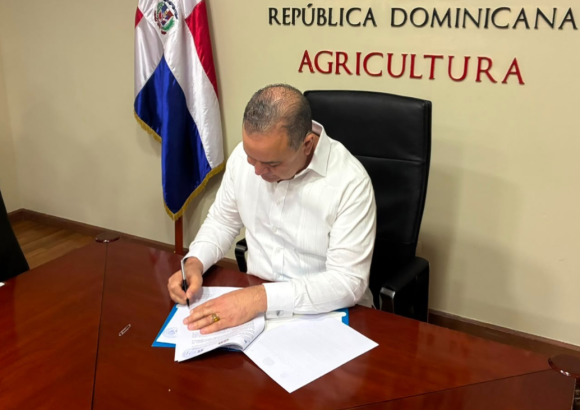
In a landmark step to address growing climate volatility in the agricultural sector, the Dominican Republic’s Ministry of Agriculture and the Dominican Institute of Meteorology (Indomet) have formalized a new collaborative agreement focused on upgrading the nation’s climate risk management systems. The deal was signed in Santo Domingo by Agriculture Minister Francisco Oliverio Espaillat Bencosme and Indomet Director Gloria Ceballos, marking a coordinated effort to merge specialized climate and water data with day-to-day agricultural planning across the country.
At its core, the partnership is designed to bridge the gap between scientific meteorological research and on-the-ground agricultural practice, enabling small-scale and large-scale producers alike to make more informed decisions that account for shifting weather patterns. Unlike past disconnected initiatives, this agreement institutionalizes data sharing between the two agencies, putting climate expertise directly in the hands of the farming communities that need it most.
One of the most significant components of the new agreement is the planned expansion of the Agroclimatic Roundtables, regular collaborative forums that bring together a cross-sector group of stakeholders: professional meteorologists, leading agricultural scientists, local agricultural extension agents, and working farmers. At these roundtables, participants walk through the latest long and short-term weather forecasts, evaluate how projected conditions—from extended dry spells to unexpected heavy downpours—will impact local crops, and co-develop customized farming guidance tailored to the unique ecological and agricultural conditions of each Dominican region.
Beyond expanding the roundtable program, the initiative includes a suite of complementary activities to embed climate adaptation across the sector. These include the regular publication of specialized agroclimatic bulletins that distill complex climate data into accessible, actionable updates for producers, ongoing hands-on training programs for both working farmers and agricultural technical staff, and sustained cross-agency exchange of the latest technical and scientific research related to climate and agriculture. The partnership will also provide active support for the development and implementation of public policies that prioritize building long-term resilience in the Dominican agricultural sector.
Government and agency leaders emphasized that the agreement fills a critical gap in the nation’s approach to climate and agriculture. By helping farmers anticipate and prepare for climate-related events such as severe droughts, intense tropical rainfall, and record high temperatures, the partnership is expected to cut widespread crop and income losses that have hit Dominican farming communities in recent years. Beyond reducing immediate risk, officials noted, the initiative will strengthen the nation’s overall food security and encourage the adoption of more environmentally sustainable farming practices that align with long-term climate adaptation goals.