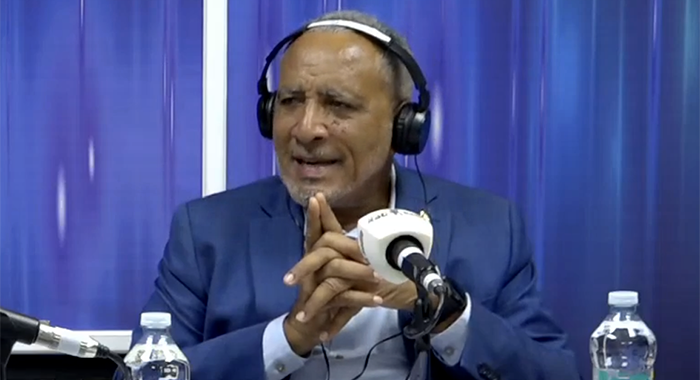
Facing growing public pressure over soaring household and business expenses across St. Vincent and the Grenadines, Prime Minister Godwin Friday laid out a comprehensive two-part strategy this Tuesday to address the nation’s rising cost of living crisis. In an address on NBC Radio, the leader of the eight-month-old New Democratic Party administration outlined that near-term interventions will prioritize curbing skyrocketing electricity costs, while long-term structural reforms will focus on building national economic resilience against volatile global external shocks. The current energy price surge, which has rippled across global oil markets, stems from ongoing conflict in the Gulf region – a challenge Friday confirmed the government is continuously evaluating to soften its impact on ordinary Vincentians. “The current surcharge on electricity is already unacceptably high, but it would be far worse without the proactive steps our administration has already put in place,” Friday stated, emphasizing that both the national government and state-owned electricity utility VINLEC must share the burden of elevated global fuel costs, rather than shifting the entire financial strain onto consumers. For Friday, electricity price inflation sits at the heart of the broader cost-of-living crisis, as every increase in utility costs flows directly through to household budgets and business operating expenses across every sector of the economy. “When VINLEC raises prices, the full surcharge gets passed directly to consumers and business owners. It touches every single person in this country,” he explained, adding that he has deep empathy for working families struggling to cover basic costs amid persistent energy price growth. The prime minister noted that his administration acted swiftly to counter price hikes earlier this year, rolling out targeted measures in May to offset rising diesel costs, the primary fuel used for the nation’s electricity generation. The three core immediate interventions include eliminating port fuel surcharges on all diesel imported by VINLEC, cutting or fully removing excise taxes on this imported fuel to lower the utility’s input costs, and pressuring VINLEC to absorb a portion of global fuel price increases instead of passing 100% of the cost to end users. According to Friday, VINLEC absorbed more than $730,000 in additional fuel costs in July alone, costs that would otherwise have appeared on consumers’ monthly electricity bills. Without these policy interventions, Friday warned, the per-kilowatt-hour fuel surcharge would exceed 90 cents – a level that would place unsustainable pressure on households, businesses and the overall national economy. Beyond pushing for shared cost absorption, Friday called on VINLEC to revise its customer disconnection policies to reflect the ongoing economic strain, urging the utility to extend longer grace periods for customers struggling to pay their bills. “VINLEC has to recognize that they cannot disconnect customers on the same rigid timelines they used before this crisis. We all need to show more flexibility and work together to get through this period,” he said. When discussing the long-term outlook, Friday acknowledged that temporary tax cuts and subsidies are short-term policy tools designed only to cushion the blow of an external price shock, not a permanent solution. Sustainable, long-term relief, he stressed, will require structural reform of the nation’s energy sector, rather than open-ended fiscal subsidies. The administration’s long-term energy strategy centers on reducing national vulnerability to global oil price volatility by investing in affordable renewable energy and building more sustainable domestic energy systems, with VINLEC tapped to lead the renewable transition, rather than treating clean energy as a competing force. “VINLEC has to be at the forefront of this shift so we can build a more stable, sustainable energy supply for the whole country,” Friday told radio listeners. While the government will continue to adjust fuel taxes to lower costs within the limits of constrained national public finances, Friday made clear that St. Vincent and the Grenadines cannot depend on permanent fiscal giveaways to keep electricity prices affordable over time. Beyond energy policy, Friday outlined a series of additional targeted measures to reduce everyday living costs, with a specific focus on low-income households and families with school-aged children. The administration is rolling out periodic VAT-free days to deliver direct, visible financial relief to consumers. The first VAT-free event, held in December 2025 in the capital Kingstown, drew what Friday called a “phenomenal” response, with unprecedented consumer demand. A second VAT-free day has been scheduled for August 28, this time tailored specifically to back-to-school shopping, unlike the broad, general public event held in December. After many businesses reported that they underestimated consumer demand for the December event, the government provided far more advance notice for the August promotion. Friday also called on local retailers to match the government’s fiscal sacrifice by passing additional savings onto consumers through their own price discounts. Friday framed the targeted VAT-free policy as part of a broader government philosophy focused on protecting the nation’s most vulnerable groups during the current cost squeeze. Among other support measures, the administration has raised monthly public assistance payments to EC$500 to support low-income and vulnerable residents, preventing them from being pushed into financial ruin by current economic conditions. The government has also eliminated all registration fees for secondary schools and the national Community College, and will cover all exam fees for the upcoming cohort of final-year secondary school students. “No student should have to fundraise to pay for eight or ten exit exams just to finish their secondary education. This is a core part of public education, and the state will take on this responsibility,” Friday said.
PM focuses on high electricity bills amidst plans to ease cost of living