Global football governance is facing its latest high-stakes rift, as two of FIFA’s most powerful continental confederations have launched coordinated, fierce opposition to a controversial proposal from FIFA President Gianni Infantino that would sell a minority stake in the World Cup to private investors. Both the Asian Football Confederation (AFC) and the Union of European Football Associations (UEFA) have labeled the plan unacceptable, and have issued explicit threats to boycott FIFA-run tournaments if the proposal is pushed forward without broad consensus.
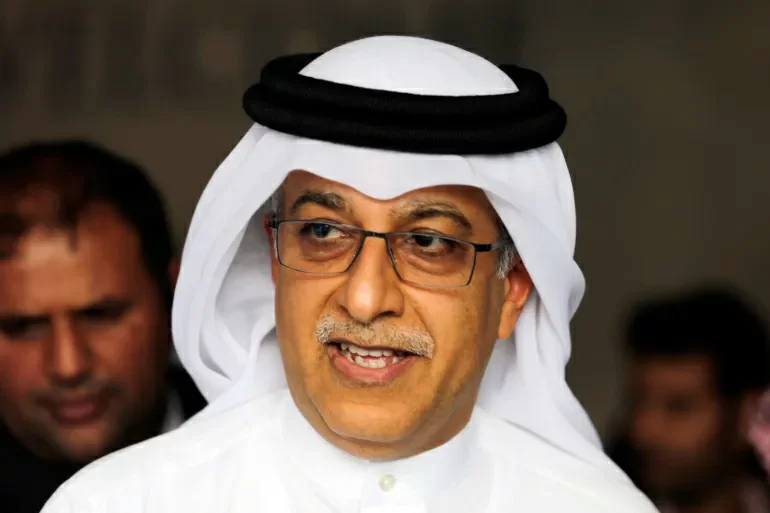
Sheikh Salman bin Ebrahim Al Khalifa, who serves as FIFA senior vice-president and AFC president, has publicly criticized Infantino’s initiative, becoming the most senior global football official to join the growing opposition bloc. In a formal letter circulated to all 47 AFC member associations, which govern football across Asia, the Middle East and Australia, Sheikh Salman expressed deep disappointment that FIFA moved forward with the announcement without any meaningful prior consultation with continental bodies.
Sheikh Salman warned that the proposal would fundamentally undermine the long-standing continental governing structure that underpins international football. He also urged AFC member associations to hold off on making any commitments or decisions on the plan until further inclusive consultations can be held. The AFC has made clear that the initiative has no path to success without the support of all of FIFA’s six continental confederations.
Across Europe, UEFA, which represents 55 national member associations, has gone even further, voting unanimously to enact a full boycott of all FIFA events — including the men’s World Cup — if the investment plan moves forward. The hardline position was finalized during an emergency meeting of UEFA leadership and member representatives, with the confederation confirming in an official statement that it and its member unions will refuse to participate in FIFA competitions if the proposal is implemented.
Infantino’s plan, first unveiled recently, calls for the creation of a $20 billion commercial subsidiary that will hold rights to the World Cup, with 20% of that subsidiary to be sold off to private investors. The lead backer for the stake is a New York-based investment firm founded by Joshua Kushner. To build support for the plan, FIFA has offered each of its 211 member national associations a $40 million payout conditional on their approval of the proposal by the September 19 deadline.
The timing of the deadline has put early pressure on global football, with the next FIFA tournament — the Women’s U-20 World Cup — set to kick off in Poland on September 5, just two weeks before the approval cutoff. Both the AFC and UEFA have repeatedly emphasized that their opposition is rooted in a commitment to transparency, collaborative governance, and respect for the long-standing institutional structures that have shaped international football for decades.
As the most widely viewed and financially lucrative sporting event on the planet, the World Cup represents an unparalleled revenue opportunity for FIFA. The governing body argues that bringing in private investment will unlock significant new revenue streams to grow the sport around the world. But the fierce resistance from the two largest and most powerful confederations underscores deep fears among regional governing bodies that the plan will erode their decision-making power and institutional control over the global game. The standoff lays bare the growing tensions between the push for commercial expansion at FIFA and the traditional, member-led governance model that has defined international football for more than a century.