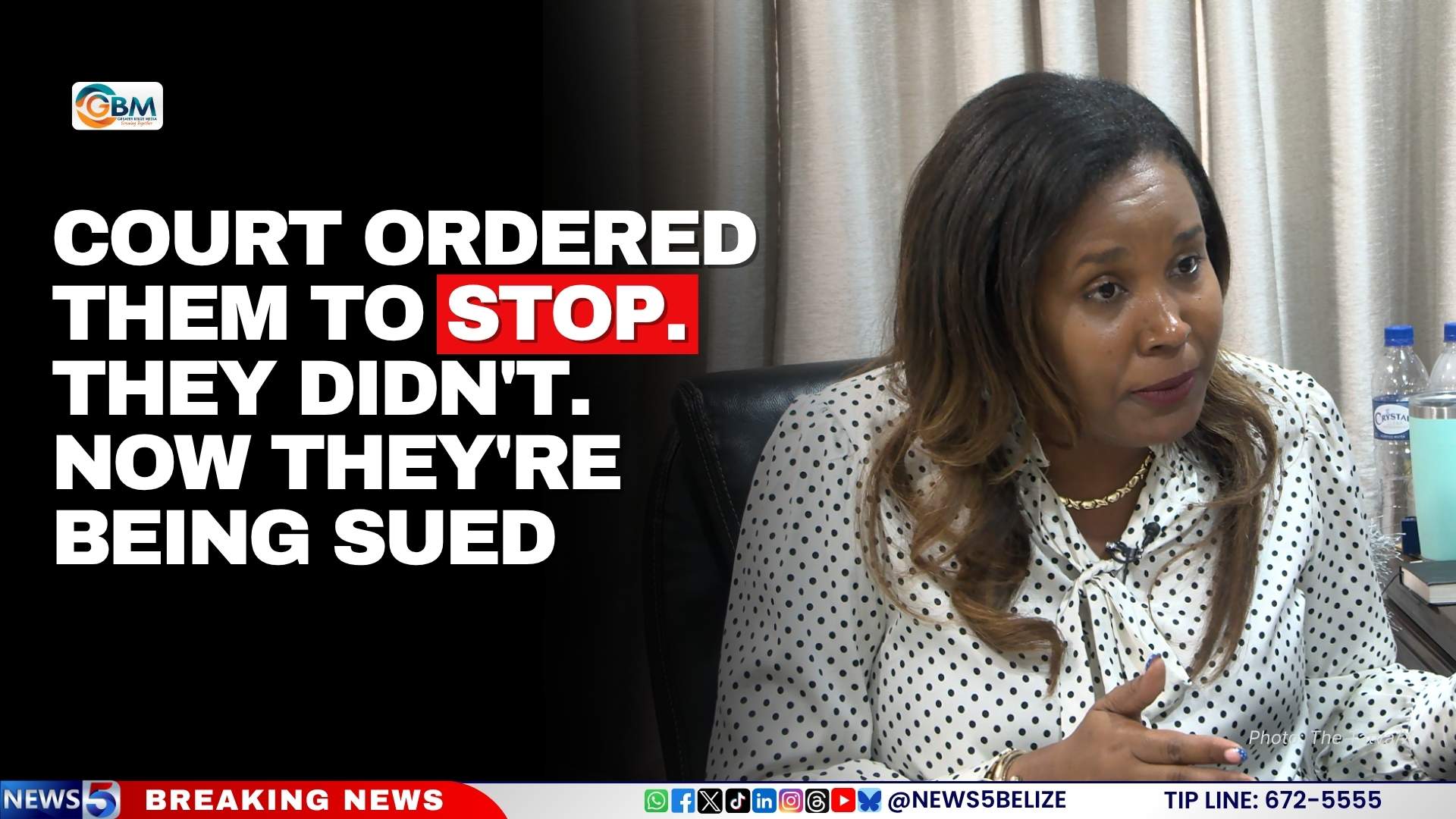
In Belize City, a high-stakes defamation case is bringing long-simmering tensions over unregulated online speech to a head, just as national lawmakers consider sweeping new rules for digital content creators. The conflict began in March, when three defendants — Sharon Mae Peters, Teresita Moody, and Leith Dawson — shared damaging, unsubstantiated claims about a local couple during a public social media livestream.
By April, the couple had secured an emergency court injunction ordering the livestreamer to immediately cease spreading the defamatory allegations. Rather than complying with the court order, the content creator repeated the same false claims just days later on an independent talk show over the Easter holiday weekend.
Now, attorney Tiffany Cadle, who represents the aggrieved couple, is moving forward with a request for a default judgement against the three defendants, all of whom have failed to submit a formal legal response to the defamation lawsuit. Cadle initially attempted to pursue criminal cyberbullying charges over the intentional violation of the court’s injunction, but local law enforcement has not taken any action on that complaint to date.
In a statement on the case, Cadle emphasized that she supports free expression and the right of Belizeans to raise awareness of public issues online, but stressed that this right comes with a critical accountability guardrail: all claims shared publicly must be factually accurate.
This legal proceeding is unfolding at a pivotal moment for Belize’s media regulation landscape: lawmakers are currently debating the proposed Broadcasting Act 2026, a piece of legislation that would expand government oversight of online content platforms. The Belize Broadcasting Authority has clarified that the new rules are designed to target commercial online broadcasters, not casual social media users. Whether a creator is classified as a commercial broadcaster requiring a license will be determined by three factors: total audience size, frequency of content publication, and whether the creator earns commercial revenue from their work.
Cadle has publicly pushed back against the proposed exemption for self-identified activists who maintain large public online audiences. She argues that any creator with a public platform, regardless of whether they label themselves an activist, and regardless of whether their content focuses on politics, religion, or local community issues, should be required to hold an official broadcasting license to operate legally.
The case has been adjourned until October 6, with the court ordering both parties to participate in mandatory judicial settlement talks before the next hearing. The separate allegation that the defendants violated the original emergency injunction remains an active question before the court, with no ruling issued to date. Belize’s News Five has announced it will air additional coverage of the case during its 6 p.m. evening broadcast tonight.