Barbados’ main opposition Democratic Labour Party (DLP) has launched a scathing critique of the Mia Mottley administration’s latest major infrastructure push, condemning a plan to turn 80 acres of fertile agricultural land in the parish of St. Philip’s Vineyard district into one of the country’s largest affordable housing developments. The rebuke comes just days after the government and private sector partners formally broke ground on the joint venture between the state-owned National Housing Corporation (NHC) and private firm Vineyard Development Inc., which aims to deliver roughly 1,100 residential units over the next five to six years, with entry-level house-and-land packages priced starting at $170,000 Barbadian dollars.
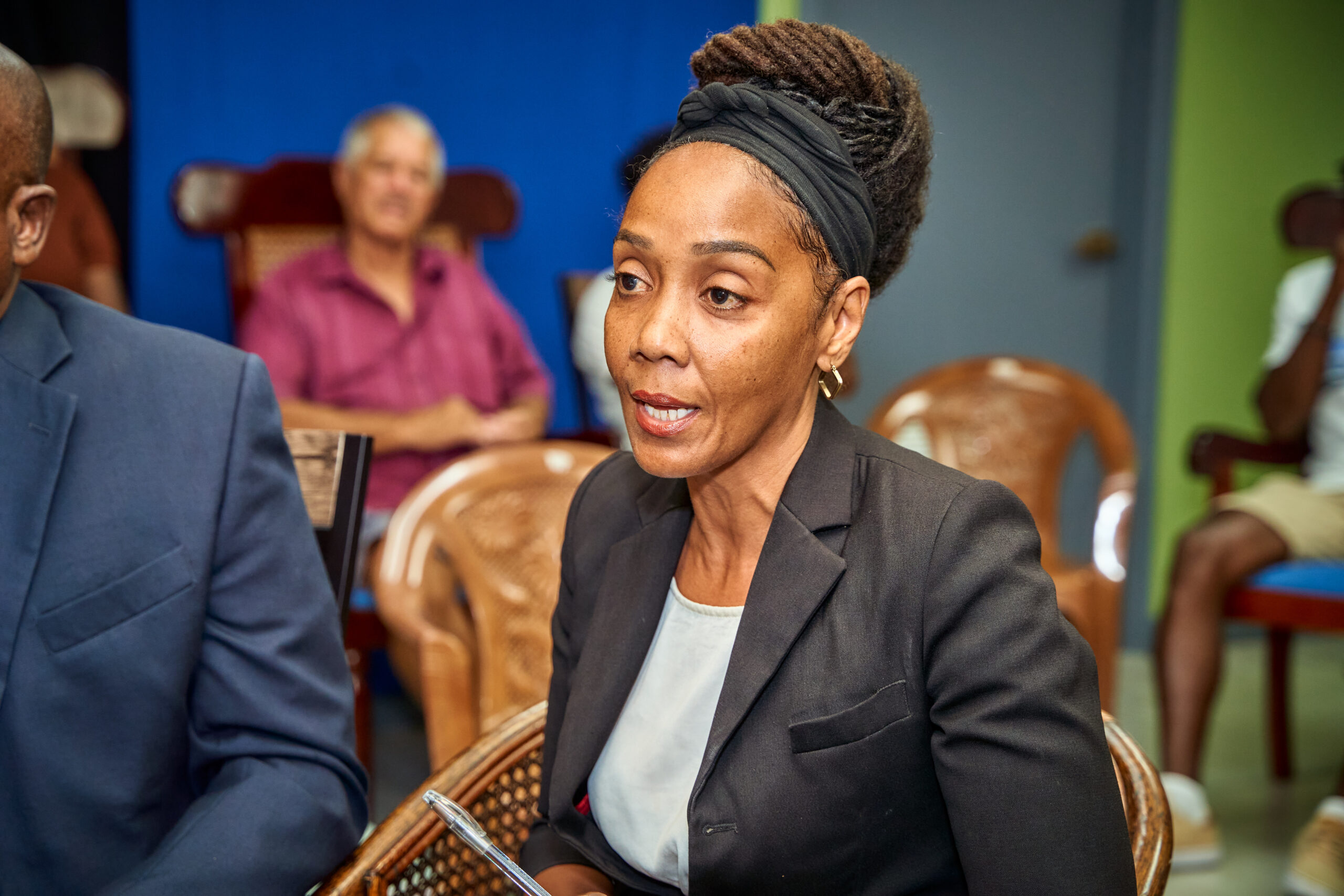
In an official public statement released Thursday, Amoy Gilding-Bourne, the DLP’s spokesperson on agriculture and national food security, framed the initiative as a major step backward for Barbados’ struggling agricultural sector. “It is deeply alarming that this administration continues to trade irreplaceable prime farmland for residential development,” Gilding-Bourne said, noting that the 80-acre site marked one of the largest recent conversions of agricultural land to non-farming use on the island.
Gilding-Bourne first challenged the government’s justification for the new project, pointing to a backlog of stalled and unfinished public housing developments across the country, including multiple phases of the Hope Housing initiative in Dodds, Cliffden Hill, and Brighton. She argued that the administration owes Barbadian citizens a full accounting for these uncompleted projects, and for millions in taxpayer funds that have already been allocated without delivering finished homes. “Before breaking ground on another massive residential development, the government owes every Barbadian a clear explanation for these unfinished projects and the millions of taxpayer dollars already squandered,” she emphasized.
Beyond the backlog of existing housing work, the opposition spokesperson disputed the government’s labeling of the development as “affordable housing,” arguing that the $170,000 starting price puts the units out of reach for the low-income and working-class households that are most in need of subsidized housing. Amid sustained high inflation, stagnant wage growth, and a rapidly rising cost of living across the Caribbean island, Gilding-Bourne noted that even the cheapest available units in the new development would be inaccessible to many vulnerable families, effectively locking out the very group the project claims to serve. “Housing starting at $170,000 simply cannot be described as affordable for many working-class families struggling under the weight of rising inflation, stagnant wages, and an ever-increasing cost of living,” she said.
The most significant criticism, however, centers on the project’s direct threat to Barbados’ long-stated national goal of improving food security. Gilding-Bourne argued that the conversion of 80 acres of prime farmland directly contradicts the government’s public commitments to boosting local food production and reducing reliance on costly, carbon-intensive imported food. “If we do not produce, we will perish,” she said, adding that every acre of fertile agricultural land lost to development erodes the island’s ability to feed its own population and makes it more vulnerable to global food price shocks. “Food security cannot be achieved while reducing the very land base upon which local food production depends. Every acre of fertile agricultural land lost to housing or commercial development weakens Barbados’ ability to feed itself.”
Gilding-Bourne also took aim at the Ministry of Agriculture, accusing the department of prioritizing flashy public relations over tangible, practical support for local farmers. She highlighted ongoing unresolved issues across the sector, including inadequate irrigation infrastructure, unfair competition from cheap imported pork, and a persistent lack of progress on key government-backed agricultural initiatives.
The DLP is now demanding full transparency around the public-private partnership structure of the housing development. The party has raised a series of unanswered questions, including whether the arrangement received required parliamentary approval, how the public land contribution was independently valued, whether the property will be transferred to a special purpose private vehicle, and what legal and financial safeguards are in place to guarantee that taxpayers receive fair full value for the public land asset being used for the project.
Additionally, Gilding-Bourne called on the administration to release public updates on a handful of stalled or underperforming government agricultural programs, including the prison farming initiative, the Black Belly sheep genetic improvement program, the imported heifers livestock project, and the newly legalized medicinal cannabis industry.
“Barbadians deserve clear answers, measurable outcomes, and responsible stewardship of our national resources,” Gilding-Bourne said. She closed by emphasizing that meaningful progress on national food security “requires vision, planning, investment, and above all, the protection of the finite agricultural lands upon which our nation’s future depends.”