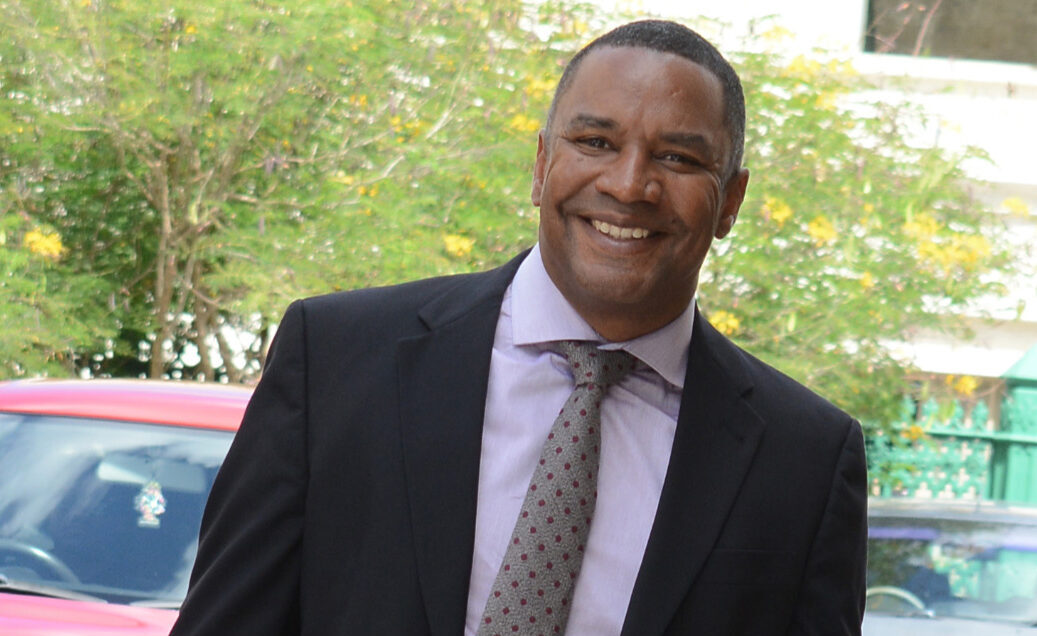
Barbados is on the cusp of passing landmark legislation regulating human tissue transplantation, and Attorney General Wilfred Abrahams is emphasizing that large-scale public outreach will be the make-or-break factor for the bill’s success. Speaking during Tuesday’s parliamentary debate on the proposed Human Tissue Transplant Bill, Abrahams moved to reassure residents that the legislation includes rigorous protections against organ trafficking, abuse, and unethical medical practices, while addressing widespread cultural hesitation around posthumous organ donation.
Barbados currently has no established cultural norm around organ donation, leaving many residents with deep-seated fears about the process, Abrahams acknowledged. In recognition of this barrier, requirements for a sustained public education program have actually been written directly into the text of the bill. Under Clause 8, the regulatory council established by the legislation is mandated to create a public outreach initiative that explains both the benefits of human tissue transplantation and the importance of joining the national donor registry.
Abrahams stressed that allowing misinformation to shape public discourse around the new policy is not an option. He called for a coordinated public education campaign led by the Ministry of Health, with full support from the Government Information Service and all agencies under the Ministry of Information. Without clear, accessible information from official sources, he warned, unfounded speculation will fill the information gap, eroding public trust and derailing the bill’s life-saving goals. “Nature abhors a vacuum,” he noted, adding that public education must correct common misconceptions: for example, many people do not know that a person can survive on a single kidney, meaning a living donor can save a life without risking their own long-term health, and even posthumous donation of one kidney can give a dying patient a second chance.
The attorney general urged Barbadians to proactively register as organ donors while they are healthy, framing donation as a transformative final gift to others. “I can make a decision now, while I’m healthy, now, while I’m good, that if I was to pass, something from me could go on to help save somebody else. I don’t need to take it to rot in a grave with me,” he said. He also clarified that donation extends far beyond kidneys: tissues including corneas, which can restore sight to visually impaired patients, and skin, which can be used to treat severe burn victims, are also viable for transplantation. For patients relying on regular dialysis to treat kidney failure, expanded access to transplant could completely reshape their quality of life, eliminating the need for disruptive, frequent hospital visits three to four times a week and allowing them to return to a normal, unconstrained routine.
Abrahams acknowledged the widespread apprehension that exists among Barbadians around organ donation, citing two of the most common concerns: religious objections that the body must be buried intact to return to God, and fears that medical professionals could harvest organs before a patient is actually declared dead. To unlock the full life-saving potential of the legislation, he said, the government must address these concerns head-on and win buy-in from a broad cross-section of the public to build a large, diverse donor pool.
Turning directly to concerns about corruption and unethical practice, Abrahams outlined the multiple layers of safeguards built into the bill. First, the legislation requires the regulatory council to establish clear, medically driven criteria for organ allocation, and mandates a fair, equitable, and transparent system for distributing tissues to patients on the waiting list. To eliminate conflicts of interest, doctors directly involved in performing transplant procedures are barred by law from certifying patient deaths, determining a patient’s eligibility for a transplant, or advising potential donors in any situation where the doctor could personally benefit from the procedure. The bill also creates an independent national registry that tracks all donors and recipients, ensuring that all organs are allocated through the official, regulated system except in narrow, legally permitted emergency circumstances.
Most critically, the legislation explicitly bans the commercial buying and selling of all human organs and tissues. “It is illegal to advertise for the buying or selling of human tissue. It is unethical and it is morally reprehensible and it is forbidden by the law,” Abrahams confirmed.
Additional protections are included for children and vulnerable populations, he added. The bill clearly defines who is authorized to give consent for organ donation when a minor is a donor, draws a clear legal distinction between court-appointed guardians and caregivers acting in loco parentis, and places strict limits on any donation involving minor donors. The bill also enforces strict confidentiality requirements for both donors and recipients, protecting their privacy and preventing unnecessary public exposure.
Abrahams framed the legislation as a historic turning point for both law and healthcare in Barbados, saying it will modernize the country’s healthcare system and deliver new hope to thousands of patients waiting for life-saving transplants. “This is a watershed moment in law in Barbados. This is a watershed moment in medicine in Barbados… I fully, fully endorse the passage of this legislation, and I hope that the rest of Barbados joins me,” he said.