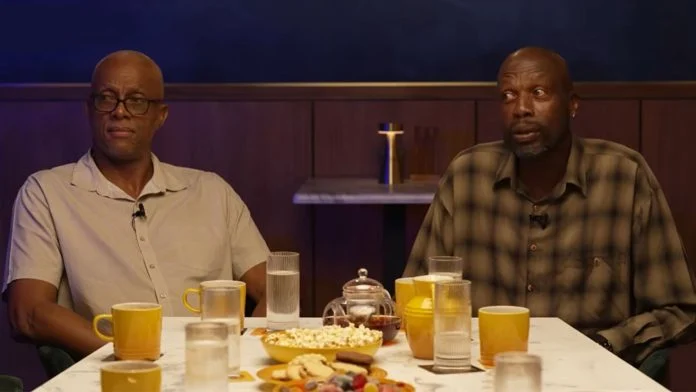
Two of the most iconic fast bowlers in cricket history, Courtney Walsh and Curtly Ambrose of the West Indies, have launched a blunt, public critique of the governance and structural flaws plaguing Caribbean cricket, issuing a clear call for sweeping systemic change to reverse the region’s decades-long decline in international cricket.
The pair laid out their grievances during a recent appearance on the *Stick to Cricket* podcast, where they spoke alongside several former British cricketers. Their criticisms came even as they acknowledged the West Indies men’s Test team’s recent victory over Sri Lanka, a rare bright spot that does not offset deeper, long-running problems within the regional cricket governing body.
At the top of their list of concerns is the restructuring of the West Indies Championship, the Caribbean’s premier domestic first-class competition, announced by Cricket West Indies (CWI) for the 2026 season. The changes, part of a broader two-year review of all regional tournaments, were framed by CWI as a compromise to balance elite athlete development with pressing financial constraints. But Walsh and Ambrose, who rank among the leading wicket-takers in West Indies Test history, reject the restructured layout as a legitimate first-class competition.
“To me, that’s not a first-class season,” Walsh stated, with Ambrose immediately echoing the sentiment. Walsh argued that the domestic schedule needs to follow the model of England’s County Cricket, requiring a minimum of 10 matches per team to properly develop emerging talent. He emphasized that the West Indies first-class season has long been far too short, and the latest changes have only made the problem worse by truncating the schedule further.
Beyond tournament structure, the legends say that the lived experience and expertise of former top West Indian players are consistently being sidelined by CWI leadership. Ambrose, who served a short tenure as the West Indies bowling consultant, detailed a broken promise from current CWI President Kishore Shallow that left him disillusioned. Four years ago, shortly after Shallow took office, the pair met for a dinner in St. Vincent where Shallow outlined plans to give former players formal advisory roles in governance. Ambrose left the meeting optimistic that change was finally on the horizon, but he says he has received no communication from Shallow in the years since. “I got a free meal and a world speech, and then that was it. So I don’t know what’s going on. Strange,” Ambrose said.
Ambrose also recounted a disappointing end to his 2014–2016 tenure with the national team: after helping the West Indies claim the T20 World Cup title in India in 2016, he was dismissed from his role just after the tournament win. “Maybe I shouldn’t have won it,” he joked dryly.
The pair also raised objections to the current setup that gives head coach Daren Sammy sole selection power for the national team, arguing that collective input from a broader panel of experienced cricket figures is necessary to build a competitive squad.
When asked if the West Indies can return to the dominant glory days of the 1970s and 1980s, when the team dominated international cricket for decades, Walsh cautioned that a rapid recovery is impossible without major, across-the-board reform. That change, he said, needs to start at the grassroots level, expanding development programs in schools and regional cricket associations, before extending to the top levels of governance where CWI must implement clear, sustainable structural frameworks to rebuild the program.