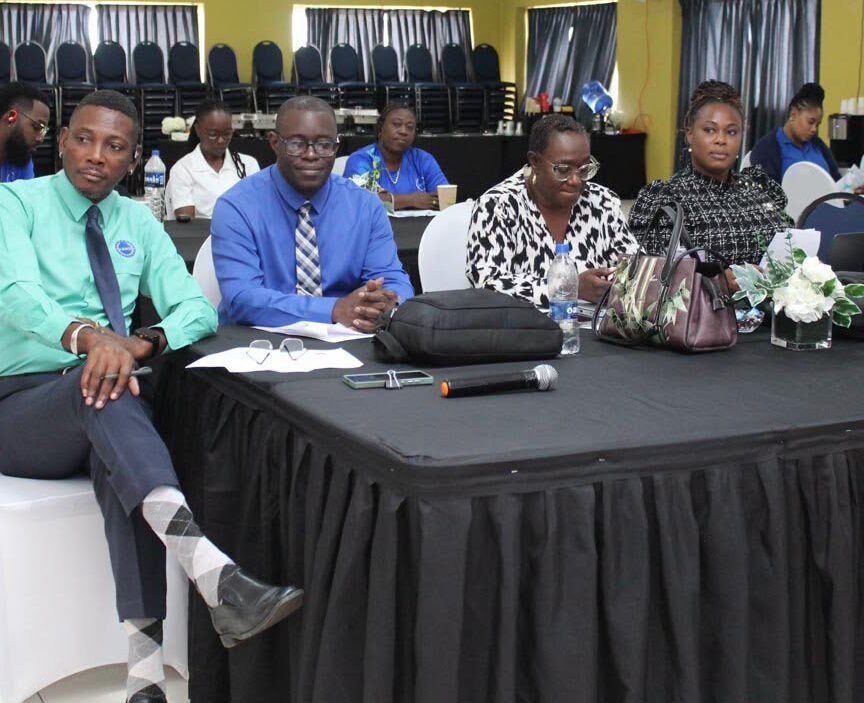
Over three days of collaborative dialogue and strategic planning in Antigua and Barbuda, representatives from local trade unions and marginalized interest groups have finalized a foundational workshop centered on rolling out protections outlined in the International Labour Organization’s landmark Convention 190, which addresses the persistent crisis of violence and harassment in workplaces globally.
This capacity-building initiative was organized and led by two international advocacy organizations: Public Services International, a global federation of public service trade unions, and the FNV Rainbow Network, a Dutch network focused on advancing queer inclusion within labor movements. The core objective of the gathering extended beyond basic implementation of ILO standards, aiming to embed stronger protections and recognition for LGBTIQA+ workers across public sector unions throughout the Caribbean region.
Throughout the three-day program, attendees participated in a range of interactive activities, from open panel discussions on regional challenges to peer knowledge-sharing sessions that highlighted successful inclusion initiatives from different island nations. Working groups collaborated to map out actionable, context-specific strategies that unions can adopt to prevent workplace violence and harassment targeting marginalized workers, with a particular focus on queer and gender-diverse employees who face disproportionate risk of mistreatment.
Officials from the Antigua and Barbuda Workers’ Union noted that the workshop placed consistent emphasis on cultivating work cultures that center dignity and equal respect for every staff member, no matter their racial background, gender identity, sexual orientation, or other personal characteristics.
As a key milestone in broader regional labor reform efforts, the gathering united cross-sector stakeholders around a shared commitment to advancing systemic fairness, intersectional equality, broader social inclusion, and dignified working conditions across all Caribbean nations. Participants left the workshop with new tools, partnerships, and clear action plans to advance these goals in their respective local and national unions.