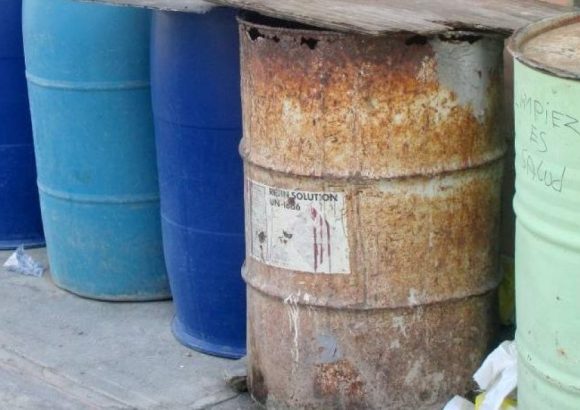
Across rural communities in the Dominican Republic, consistent access to safe, drinkable water continues to stand as one of the most pressing unmet public needs, according to new national survey data that lays bare deep gaps in basic infrastructure between urban and rural regions of the country.
The recently published ENHOGAR-MICS 2025 survey documents a stark divide: while 92% of urban households have reliable access to treated, safe water, that figure falls to just 68% for their rural counterparts. In the most marginalized regions — the country’s deep south and remote border zones — the share of communities with access to safe drinking water drops even lower, falling below 60%. This gap does not just represent an inconvenience for the roughly 1.1 million rural Dominicans left unserved; it creates a direct, daily threat to public health that disproportionately harms the nation’s most vulnerable groups.
Public health researchers and policymakers warn that the absence of functional, reliable water distribution systems in underserved rural areas has directly driven a higher incidence of preventable gastrointestinal diseases, with children under five bearing the brunt of this impact. This public health crisis mirrors a broader global challenge: United Nations data estimates that more than 2 billion people across the globe lack consistent access to safely managed drinking water, making this a leading preventable cause of childhood illness and mortality in low- and middle-income nations.
Beyond public health harms, the water access gap entrenches deep social and economic inequalities, the survey finds. In communities without consistent piped water service, the unpaid work of collecting and transporting water falls overwhelmingly to women and girls. This constant burden consumes hours of time each week that could otherwise be spent pursuing formal education, engaging in paid employment, or caring for family members, creating a persistent cycle of economic disadvantage that is passed between generations.
Officials from the Dominican Republic’s Ministry of Economy, Planning, and Development have acknowledged the slow pace of progress in expanding rural water coverage, even with ongoing community-led aqueduct construction projects active across many regions. International development partners including the World Bank and UNICEF have called for urgent, targeted action, urging the Dominican government to accelerate infrastructure investment, expand budget allocations for rural water projects, and strengthen national water quality monitoring systems to ensure that all water delivered to households meets global safety standards. Policy experts note that closing the rural-urban water access gap will not only improve public health outcomes but also advance gender equity and economic growth across the country’s most underserved regions.