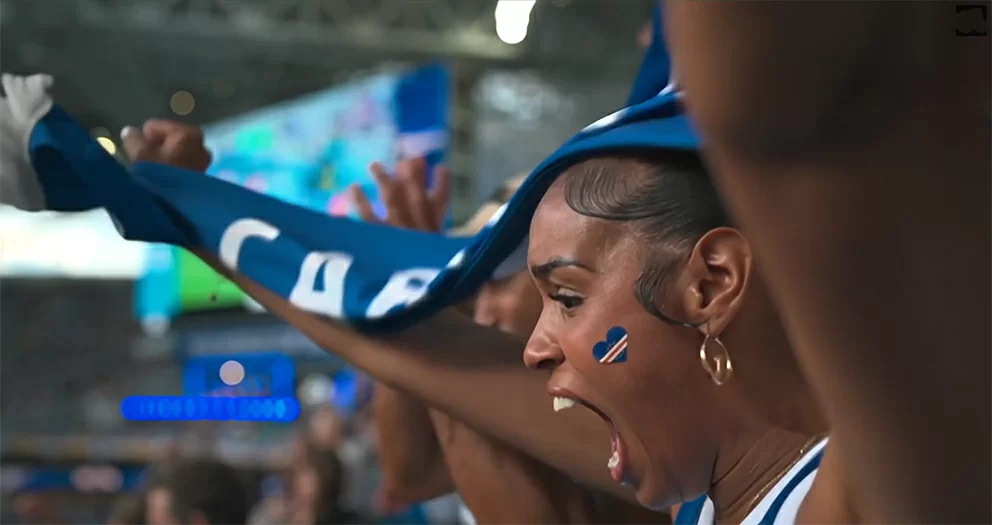
Among all the underdog stories at the 2026 FIFA World Cup, none have resonated more deeply with global football fans than the incredible campaign from Cape Verde, a tiny Atlantic archipelago nation making its tournament debut. Though the Blue Sharks bowed out of the competition with a heartbreaking 3-2 extra-time defeat to defending champions Argentina in the Round of 32 in Miami, their exit came after a run of performances that turned world football powerhouses and casual viewers alike into loyal supporters, overshadowing the hype surrounding the tournament’s biggest superstars like Lionel Messi, Cristiano Ronaldo, Erling Haaland and Harry Kane.
Cape Verde entered the 2026 World Cup ranked 67th in the FIFA global rankings, one of the smallest nations in the tournament by population and geographic size. But from their opening match, they proved they belonged on the sport’s biggest stage. A dogged 0-0 draw against European champions Spain in their debut World Cup game immediately put the world on notice, with goalkeeper Vozinha delivering a heroic clean-sheet performance that earned his side their first ever World Cup point. That result set the tone for a remarkable group stage campaign that saw Cape Verde secure three draws to advance to the knockout round, the first time the nation has ever reached this stage of a World Cup.
Against Messi-led Argentina, Cape Verde defied all expectations once again. After falling behind to an early Messi goal, the underdogs fought back to level the score at 1-1 and force the defending champions into extra time. Falling behind a second time, Sidny Lopes Cabral scored a stunning equalizer to bring Cape Verde within 10 minutes of a penalty shootout that could have delivered one of the biggest upsets in World Cup history. Ultimately, an unfortunate own goal from Diney Borges off a Cristian Romero header sealed Cape Verde’s exit, but the defeat did nothing to dim the impact of their run.
When the final whistle blew, Cape Verde’s players collapsed onto the Miami pitch in tears, but they left the United States having won the respect and admiration of the entire global football community. “Cape Verde has lost the match, but they have won the world over,” former Scottish international James McFadden told BBC Radio 5 Live. “They showed courage, togetherness, unity and unshakable belief in who they are and what they can do. This is the story of this tournament, the kind of heart you want to see from any football side.”
Veteran English pundit and former player Gary Neville called Cape Verde’s run one of the greatest performances he has ever seen from a tournament underdog, speaking on ITV. “They are crying because they are going home, they don’t want to leave this stage,” Neville said. “This is a moment that will likely never come again for many of these players, and it is as magical as it is moving.”
Cape Verde head coach Bubista spoke after the match, overflowing with pride for what his side had accomplished against the world champions. “We showed that even though we are a small country, we can compete with the best teams in the world, that is something to be incredibly proud of,” he said. “We have written history for our nation, and every player can hold their head high for how they represented us. To come back twice against the world champions is an unbelievable achievement.”
Roberto ‘Pico’ Lopes, a central defender who featured in all four of Cape Verde’s World Cup matches, noted that the campaign has already delivered a legacy that goes far beyond the tournament bracket. “One of the best things to come out of this World Cup is that no one asks anymore where Cape Verde is on the map,” Lopes told BBC Sport. “We put ourselves on the map. We are a small nation, but we have big hearts, and we showed what is possible: if you believe, you can achieve it.”
The Blue Sharks’ remarkable run has also reignited conversation around the 48-team expanded World Cup format, a decision that faced significant criticism before the tournament began. Neville said Cape Verde’s run has converted him from a skeptic to a supporter, noting that the format gives small underdog nations the chance to create moments like this. Fellow former England striker Ian Wright echoed that sentiment, calling on FIFA to invest more resources to help small footballing nations compete on the global stage. “This is what we hope to see around the world, which is why FIFA needs to do everything it can to make sure resources reach every nation,” Wright said. “What Cape Verde proved is that when you give people a chance, they can compete with the world’s best, no matter how small they are. This was a herculean effort from them, absolutely incredible.”
The breakout star of Cape Verde’s historic run has been 40-year-old goalkeeper Vozinha, who became a global cult hero after images of him crying in celebration then proudly holding the Cape Verdean flag aloft after the draw with Spain spread around the world. His performance, however, earned him stardom beyond viral fame: the out-of-contract goalkeeper, who most recently played in Portugal’s second tier with Chaves, finished the tournament with 18 total saves, the third highest total of any keeper at that stage of the competition, behind only Eloy Room of Curaçao (20) and Orlando Gill of Paraguay (19). He made eight crucial saves against Argentina alone, and pundits believe his World Cup performances will earn him a new club contract quickly. “Vozinha is going to get a good move out of this, what a World Cup he has had,” Neville said. “Everything he does is calm and composed. Where has he been all this time? We should have known who he was long before this tournament.” Wright added that Vozinha exuded “hero energy” throughout his side’s historic run.
For context, Cape Verde is an archipelago of 10 volcanic islands located off the West African coast in the Atlantic Ocean, best known for its white sand beaches and clear coastal waters. It has a total domestic population of roughly 500,000, with hundreds of thousands more living in the Cape Verdean diaspora around the world. The nation gained independence from Portugal 50 years before their 2025 World Cup qualification, making their first ever World Cup appearance an even more meaningful celebration of the nation’s 50 years of independence. Before this tournament, Cape Verde was widely known internationally primarily for the late Grammy-winning singer Cesaria Evora, who introduced the nation’s traditional morna music style to global audiences. But after the 2026 World Cup, the Blue Sharks have cemented their place as the nation’s most famous ambassadors to the world.