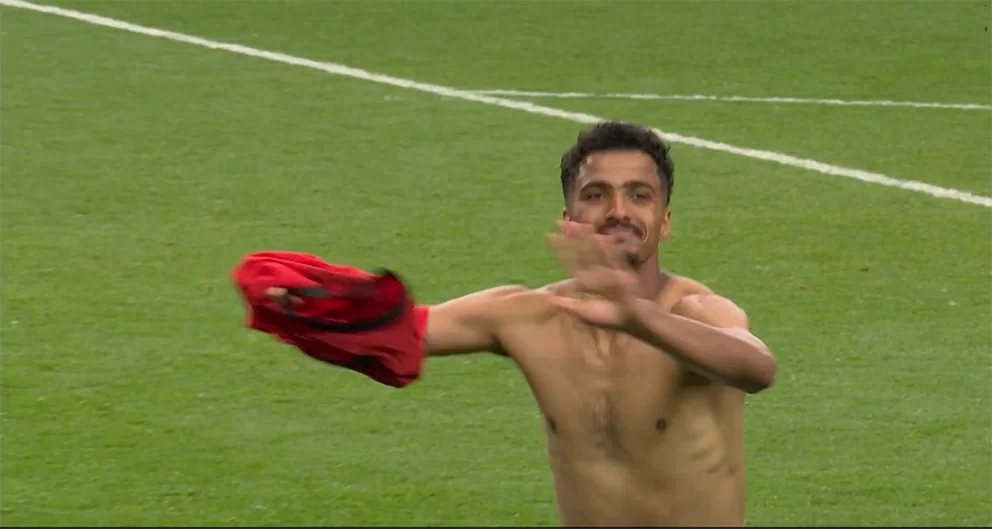
The 2026 FIFA World Cup delivered another breathtaking, drama-filled encounter at Dallas Stadium on July 3, as Egypt etched their name into the nation’s football history books with a 4-2 penalty shootout victory over Australia to book their spot in the tournament’s Round of 16. After 120 minutes of intense, end-to-end action ended locked at 1-1, Hossam Abdelmaguid slotted the decisive spot-kick to seal a milestone long awaited by Egyptian football fans: the country’s first ever knockout stage win at a men’s World Cup, ending a 92-year winless drought in World Cup matches dating back to their debut appearance in 1934.
From the opening whistle, Egypt asserted themselves as the dominant side, holding 64% of possession in the first 15 minutes and displaying sharp, technically proficient build-up play. Australia set up in a flexible defensive shape, shifting between a 3-4-3 and 5-4-1 formation to soak up pressure and hit Egypt on rapid counter-attacks through wingers Jordan Bos and Nestory Irankunda. The Socceroos’ pace created several early scares for Egypt’s backline, but Rui Vitoria’s side retained firm control of the game’s tempo.
Egypt broke the deadlock in the 13th minute, when a short free-kick routine from captain Mohamed Salah left the ball bouncing loose inside Australia’s penalty area. Midfielder Emam Ashour launched a powerful, perfectly placed header past goalkeeper Patrick Beach to open the scoring, sending the Egyptian bench into celebration and shifting tangible pressure onto the Socceroos.
Australia responded with characteristic resilience, ramping up their attacking intensity in search of an equalizer. They came desperately close to leveling the score when Cristian Volpato’s long-range speculative strike cannoned off the crossbar, and Bos remained a constant threat down the left flank, but poor finishing let the Socceroors waste all their promising opportunities. The match grew increasingly physical as the first half wore on, with key players including Bos and Egypt’s Mohamed Hany picking up minor injuries that disrupted their rhythm. Egypt went into halftime holding a narrow 1-0 lead, with Australia facing an uphill battle to keep their World Cup campaign alive.
The second half exploded into action immediately, with Egypt missing a golden opportunity to double their lead through Omar Marmoush. Australia capitalized on their lucky break just eight minutes after the break, when Mohamed Hany deflected a cross into his own net to level the score at 1-1, breathing new life into the Socceroos and forcing Egypt onto the back foot. Both managers made tactical substitutions to inject fresh energy into their sides, but Salah was largely restricted by his ongoing injury issues, failing to influence the game as he had in the group stage.
As full-time approached, tension grew around the stadium with a string of physical duels and half-chances for both sides that failed to find the back of the net. In stoppage time, Beach pulled off a world-class save to deny Ramy Rabia’s point-blank header, keeping the score tied and forcing the match into extra time.
Fatigue and raw nerves dominated the extra 30 minutes, with Egypt continuing to hold the lion’s share of possession and push for a winning goal. Even carrying an injury, Salah produced several dangerous attacking runs that kept Australia’s defense scrambling, while captain Harry Souttar led the Socceroos’ rearguard with a series of critical blocks to keep Egypt out. With no additional goals after 120 minutes, the fate of both teams would be decided from the penalty spot.
The shootout got off to a disastrous start for Australia, when Souttar dragged his opening penalty high over the crossbar. Egypt held their nerve throughout the series: Salah even chipped a stylish Panenka penalty past goalkeeper Mat Ryan, who had been brought on at the last minute specifically for the shootout in a tactical swap that failed to pay off for the Socceroos. Two Australian defenders, including young prospect Lucas Herrington, missed their penalties, leaving Abdelmaguid to slot the winning spot-kick that sent Egypt through.
For Egyptian players and fans, the result was an emotional, historic moment. A visibly tearful Salah could barely contain his joy after the final penalty, celebrating a milestone that has eluded Egyptian teams for nearly a century. For Australia, the exit brings disappointment, but the side earned widespread praise for their spirited fightback against the pre-match favorites.
Egypt will now remain in Dallas for their Round of 16 clash, where they will face the winner of the group stage match between Argentina and Cape Verde, as they look to continue their historic run deep into the 2026 World Cup.