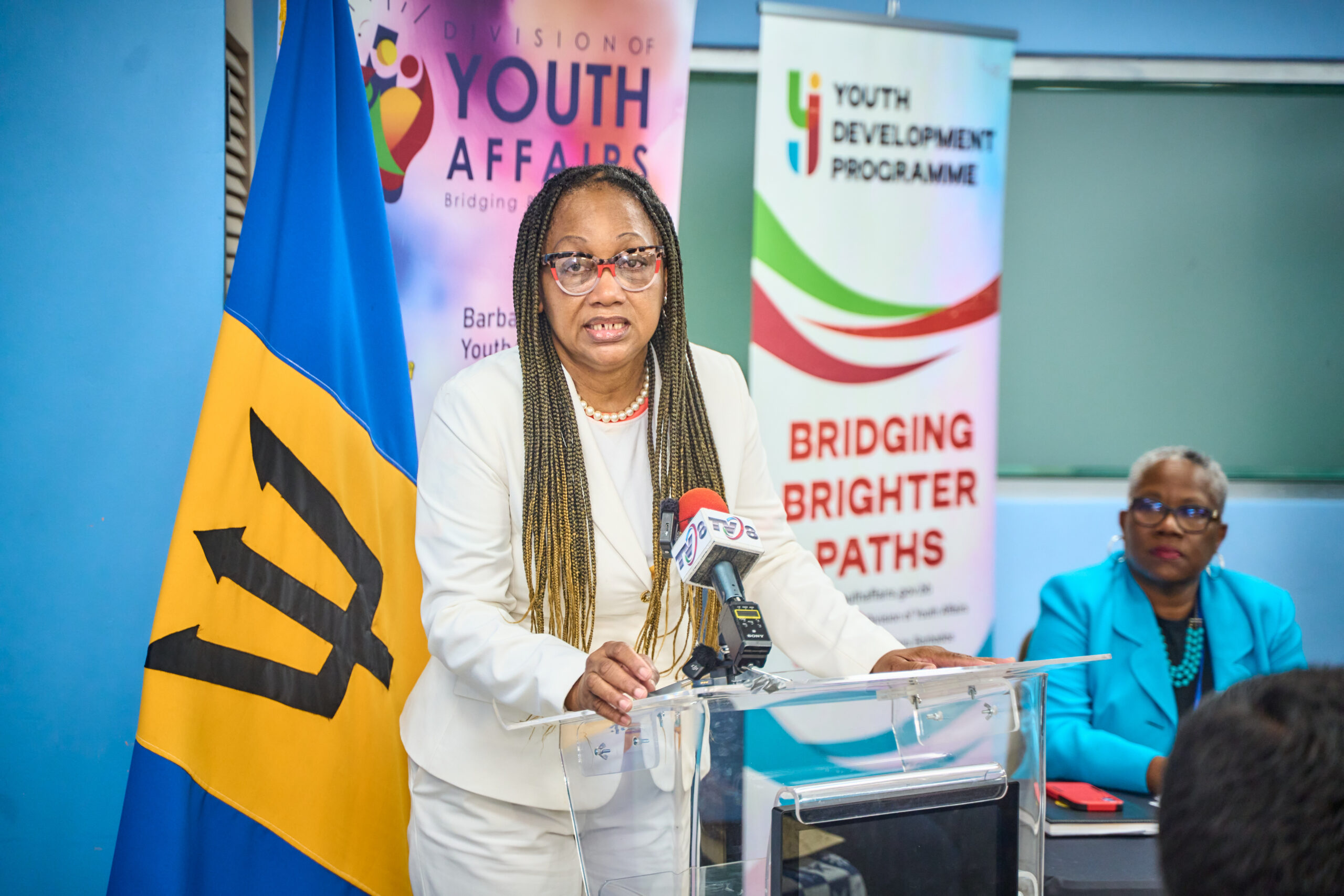
Barbados’ annual National Summer Camps initiative is entering a transformative new phase this year, with a major expansion that will see the program hosted at up to 51 locations across the island, welcome roughly 3,500 young participants, and introduce long-requested financial compensation for camp leadership alongside upgraded public safety protocols. Youth and Culture Minister Senator Shane Archer officially launched the 2024 iteration of the program during a Tuesday event held at the Division of Youth Affairs located in Haggatt Hall’s Sky Mall, noting that this year’s redesign was crafted specifically to address feedback and concerns raised by participants and organizers in previous years.
Archer confirmed that the six-week program will get underway on July 13 and wrap up its activities on August 21. A key change responding to years of repeated requests from program staff is the introduction of stipends for camp directors and assistant directors, a policy the minister framed as a long-overdue recognition of the work put in by camp leadership. “We are reintroducing something that has been asked for… the directors and the assistant directors must have some type of stipend,” Archer explained. In addition to leadership stipends, the government has also allocated funding to cover transportation costs for volunteer staff traveling to and from camp locations.
Most camp sites will be based at existing primary and secondary school facilities across the island, but the program has added community centers and local churches as alternate venues to accommodate ongoing renovation work at many public school properties. “We are preparing to operate up to 51 camps across Barbados, and we are expecting around 3,500 campers,” Archer said.
The minister emphasized that the summer camp program is far more than a recreational outlet to keep young people occupied during school break, framing it as a strategic long-term investment in Barbados’ next generation. “This is not simply a programme to occupy young people throughout the summer vacation. We must see this as an investment into our young people,” he said.
Reflecting that investment, the 2024 program features a dramatically expanded curriculum that covers far more than traditional summer activities. Campers will have access to coursework and workshops in financial literacy, emotional regulation, science, technology, engineering and mathematics (STEM), sustainable agriculture, national heritage, cultural arts, online safety, public health and wellness, team sports, and foundational life skills. A brand-new Spanish language immersion track has also been added to the program, developed with financial and logistical support from the Colombian, Cuban, and Venezuelan embassies based in Barbados.
Beyond daily camp activities, the 2024 calendar will include inter-camp tournaments for sports and creative projects, a sharp increase in guided national heritage tours, a island-wide cultural arts showcase, a national “Make a Book” creative writing project, and a special celebration of International Youth Day scheduled for August 12.
Safety protocols have also received a major upgrade this year, in response to past concerns. Archer reported that the program has added additional frontline camp personnel, mandated expanded first-aid training for all staff, and contracted private security firms to supplement existing government-provided security at all camp sites. Nutritional access has also been improved: all campers will receive a free daily lunch through the Ministry of Educational Transformation’s school meals program, and additional distribution hubs have been added to eliminate the delivery delays that impacted the program in 2023.
Registration for the 2024 summer camps opened earlier this year, and already roughly 1,800 young people have secured their spots. Program officials have reminded families that registration remains open, but each camp location has a fixed maximum capacity, so parents and guardians are encouraged to complete registration as soon as possible to avoid being waitlisted.
Senior Youth Commissioner Elizabeth Bowen highlighted three specialized camp tracks designed for older adolescents aged 15 to 17, including the YES Camp and Camp Employing Minds. Unlike the general camps open to a wider age range, these specialized programs focus on targeted skills development for youth transitioning out of secondary school. “They are the ones which have some targeted age groups. We offer soft skills development and kind of help them start planning their roadmap, as they transition into early adulthood and start to think about their plans for whether it’s tertiary education or entering into the world of work,” Bowen explained. “So I am pleased this year, extremely pleased with the offerings.”