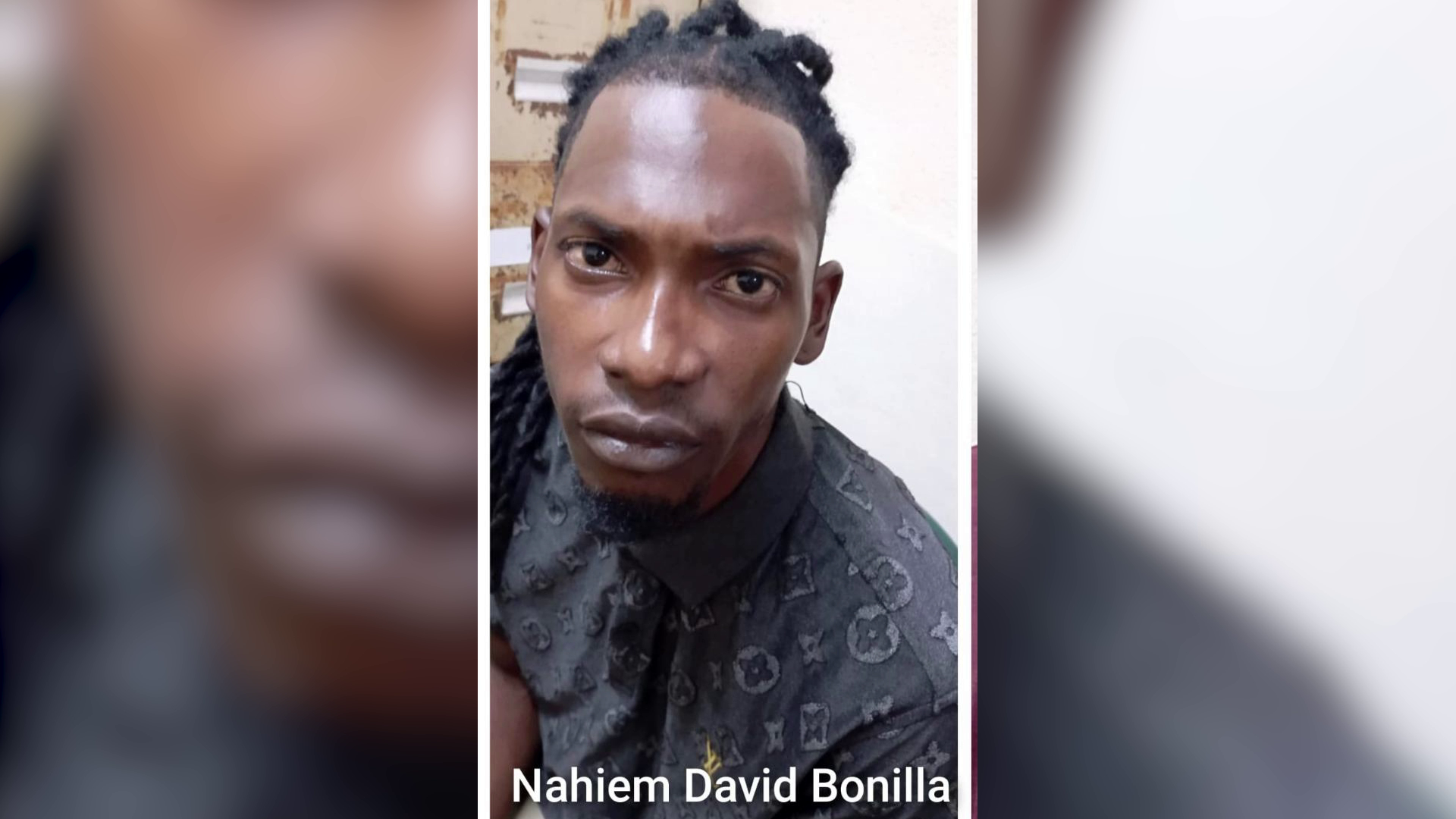
A swift legal step forward has brought a measure of tentative closure to a grieving Belizean family, days after 16-year-old Isaiah Norales was fatally gunned down in an early morning shooting in Dangriga District. Authorities have confirmed formal charges against two suspects connected to the teen’s murder: 25-year-old Naheem Bonilla and a 17-year-old minor, whose identity is protected under juvenile justice guidelines.
The breakthrough in the case came directly from the victim himself, who clung to life long enough after the attack to name his attackers from his hospital bed. For Norales’ family, this development only confirms what they have publicly claimed since the day of the shooting, with relatives saying they were confident investigators already held the key information needed to make arrests.
In an interview with local outlet News Five shortly after the killing, Sharwell Makin, Norales’ cousin, reflected on the teen’s character and the family’s long-held hope for accountability. “Everybody has a different version of Isaiah. What I got was somebody very loving. He’s very open, he shared everything with me,” Makin said. When asked if Norales had ever indicated his life was at risk before the attack, Makin confirmed the teen never mentioned any threats. “Yes, we are aware [who is responsible],” Makin added. “He was able to say [who it was] so the police have that information, and we’re just hoping for justice. We just want justice, we don’t want nothing else, just justice.”
Norales only survived a few hours after the Sunday morning shooting before succumbing to his injuries. His dying identification of attackers follows a well-documented precedent in recent Belizean legal history: this type of evidence was the core of the recently concluded high-profile Elmer Nah murder trial, where a dying statement from shooting victim Vivian Ramnarace, who also identified her attacker from a hospital bed before her death, served as the prosecution’s primary instrumental evidence.
This report is a transcript of an evening television broadcast, with all Kriol-language statements transcribed using a standardized spelling system for accuracy.