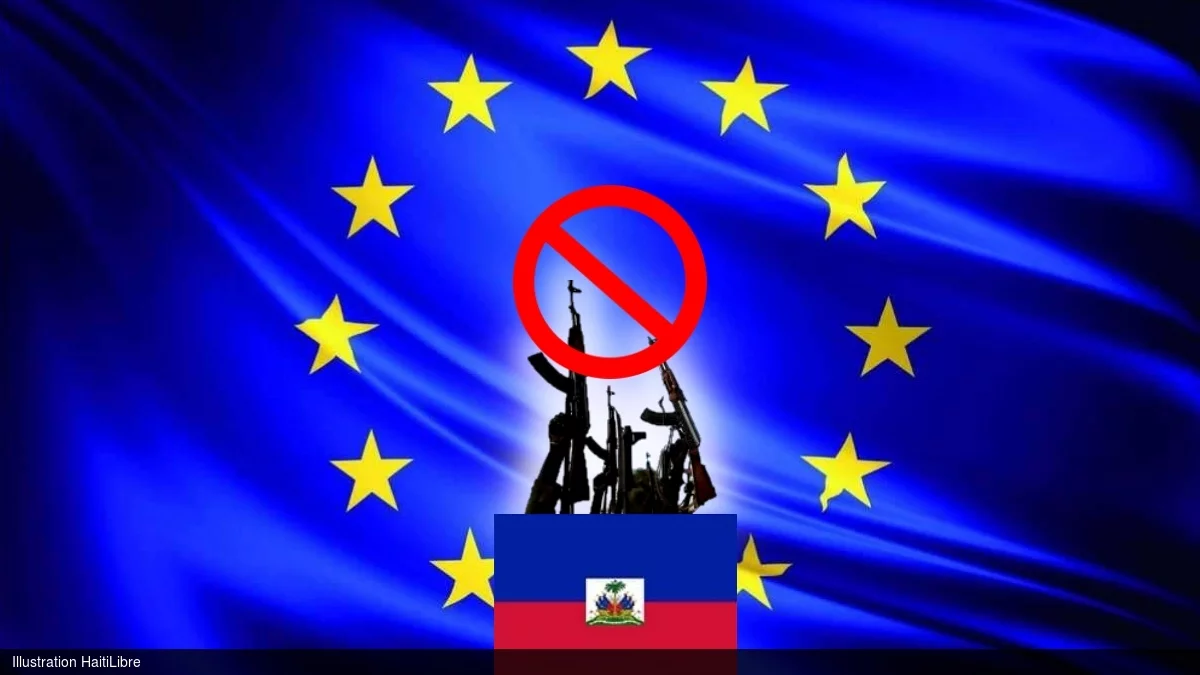
On June 26, 2026, following a routine annual review of the ongoing crisis in Haiti, the European Union formally voted to extend its framework of restrictive sanctions against actors undermining peace, stability, and democratic governance in the Caribbean nation. The extended sanctions regime will remain in effect through July 29, 2027, a decision rooted in the EU’s deepening concern over unrelenting, destabilizing criminal activity that has torn apart Haitian communities and threatened security across the broader region. The measure targets 17 individuals and one criminal organization, all facing binding restrictions including asset freezes across EU jurisdictions, a ban on any direct or indirect provision of funds or economic resources, and entry bans for all listed natural persons. The sanctions regime traces its origins back to November 2022, when the EU Council adopted Decision (CFSP) 2022/2319 to align with a United Nations Security Council resolution addressing Haiti’s escalating crisis. A 2023 amendment to the framework granted the EU autonomous authority to impose sanctions on bad actors independent of UN designations, creating a complementary structure to the UN sanctions imposed in October 2022 that expands the bloc’s ability to hold destabilizing actors accountable. Among the highest-profile sanctioned figures is former Haitian President Michel Joseph Martelly, whom the EU accuses of arming and funding multiple criminal gangs to advance his political agenda, protect personal and business interests, and consolidate territorial control. Two former top Haitian politicians from Martelly’s inner circle—former Senate President and political advisor Youri Latortue, and former Senator Rony Célestin—are also named on the sanctions list. The roster of targeted individuals also includes many of Haiti’s most powerful and violent gang leaders, whose actions have driven a catastrophic humanitarian crisis across the country. These include Jimmy Chérizier, widely known by his alias “Barbecue,” who leads the Viv ansanm terrorist alliance; Micanor Altès, head of the Wharf Jérémie gang based in Cité Soleil; Jeff Larose, leader of the Canaan gang; and Wilson Joseph, alias “Lanmò San Jou,” head of the notorious 400 Mawozo gang. The only entity targeted by the sanctions is the 5 Segond Gang, a powerful armed faction based in Port-au-Prince’s Village-de-Dieu neighborhood. The list also includes former senior Haitian security official Dimitri Hérard, once head of the National Palace’s General Security Unit, and Kempes Sanon, a gang leader accused of coordinating armed takeovers of Port-au-Prince territory and unifying criminal networks to derail Haiti’s ongoing political transition. In announcing the extension, EU officials emphasized that the restrictive measures remain a critical tool to curb gang-related violence, hold perpetrators of destabilizing activity accountable, and support international efforts to restore democratic order and stability to Haiti.