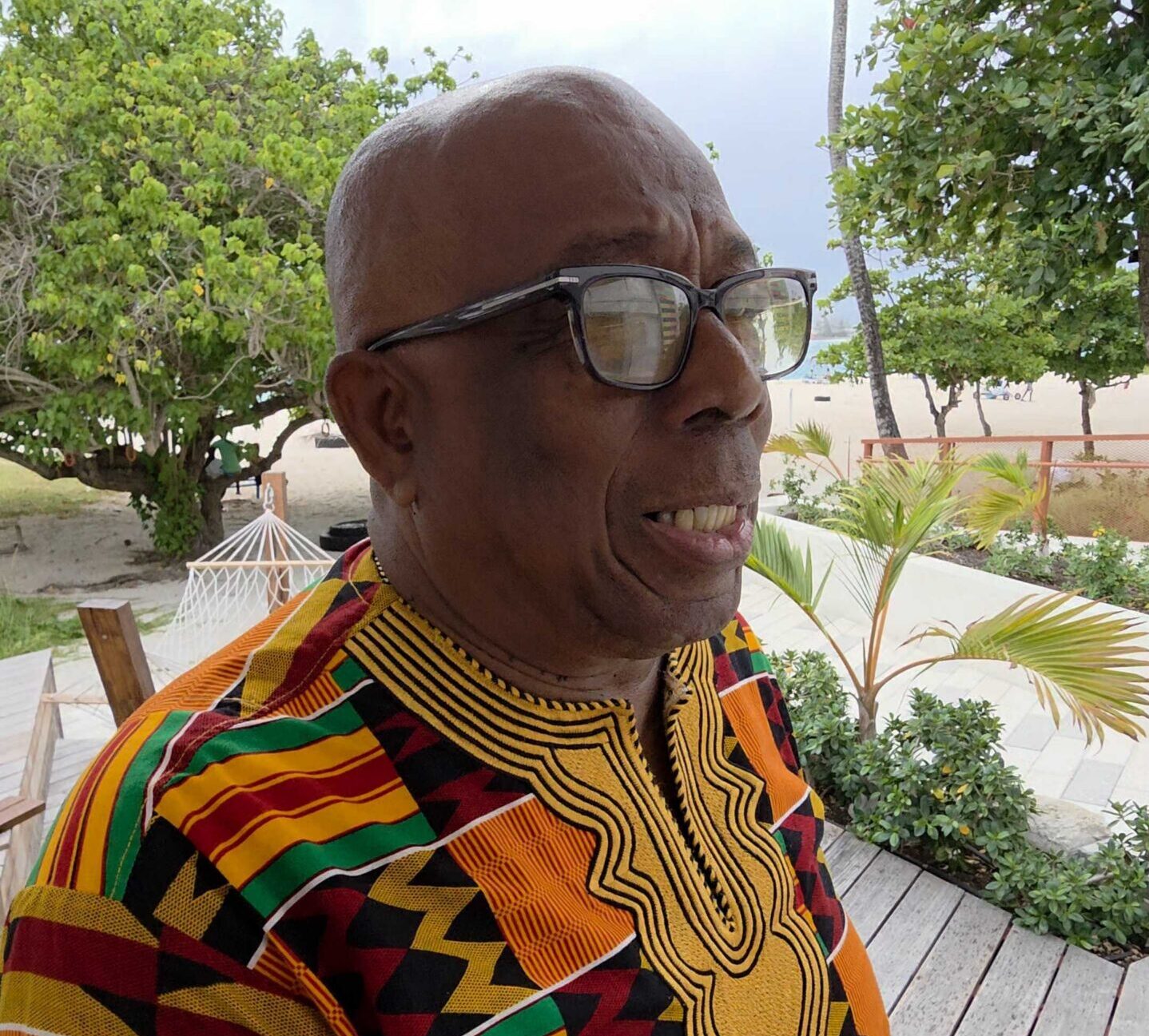
In a landmark step toward advancing demands for historical justice for the transatlantic slave trade, Barbados has announced it will escalate its campaign for slavery reparations to the United Nations through a historic collaborative initiative with the African Union, according to Trevor Prescod, the country’s Minister of Pan-African Affairs and Heritage. This formal announcement comes shortly after the return of Prescod and Barbadian Prime Minister Mia Mottley from an official diplomatic trip to the West African nation of Ghana, where the delegation participated in days of intensive global conversations centered on reparations for the harms of chattel slavery. During these high-level talks, officials anchored the core goal of advancing a formal reparations resolution all the way to the UN General Assembly, building broad international support for the long-running push for accountability. The diplomatic gathering hosted in Accra, Ghana’s capital, included immersive, moving reenactments of the transatlantic slave trade that brought the violent history of forced displacement to life for attending delegates. The summit drew a diverse array of global civil society and political leaders, among them the son of iconic Black nationalist leader Marcus Garvey and prominent U.S. civil rights activist Al Sharpton. Both Prime Minister Mottley and Ghana’s President delivered keynote addresses to the assembled international delegation, framing the reparations campaign as a critical moral obligation for the global community. Speaking on the deep ancestral and cultural connections between Barbados and West Africa, Minister Prescod emphasized that the national identity and heritage of Barbadians cannot be reduced to the timeline of European colonial settlement. “Barbadians must understand that heritage doesn’t begin at any specific point, that our heritage is not post-1627, but our heritage also relates back to the West African coast,” he said. The minister also noted that the movement for reparations has grown far beyond regional advocacy, confirming that what was once a localized conversation is now a central global debate demanding action.