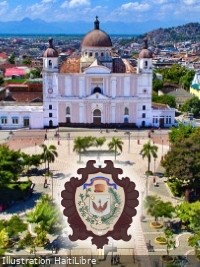
Nestled along Haiti’s northern coast, the nation’s historic second-largest city Cap-Haïtien is steadily emerging from a period of stagnation to reclaim its long-dimmed cultural and economic glory, driven by coordinated action between national authorities and a new local administration. Since the installation of Mayor Michel Saint-Croix’s Municipal Commission earlier this year, a sweeping, multi-sector revitalization agenda has turned ambitious policy pledges into visible on-the-ground change, with the ultimate goal of positioning the city as a leading national hub for tourism, investment and inclusive development.
Cap-Haïtien’s rich colonial heritage and proximity to world-famous historical sites have long positioned it as a natural tourism anchor for Haiti, but years of underinvestment had left the city struggling with crumbling infrastructure, unmanaged waste and stagnant economic activity. To reverse this trend, Haiti’s central government launched an inter-ministerial support mission for the city months ago, creating a framework for close collaboration between national agencies and the new municipal leadership. This partnership has already delivered measurable progress, starting with a large-scale urban sanitation and reorganization initiative that has cleared accumulated waste from long-neglected neighborhoods, restored underused public spaces and completed targeted beautification projects across the city.
These early, visible wins have done more than transform the city’s streetscape: they have rebuilt public confidence in local governance, proving that coordinated action between national and municipal authorities can deliver tangible results for residents. Beyond clean-up efforts, the administration is advancing a raft of projects to upgrade core public services, modernize key strategic sectors and improve public space management, laying the regulatory and infrastructural groundwork for sustained social and economic growth. Steady improvements to the urban environment have already made the city more livable for long-term residents and more welcoming to first-time visitors alike.
Security, a critical prerequisite for any economic expansion, has also been a top priority. Targeted measures led by national law enforcement agencies have cemented Cap-Haïtien’s status as one of Haiti’s most stable major urban centers, creating a safe environment that encourages private investment, enables uninterrupted local economic activity and unlocks the city’s untapped tourism potential—one of the most promising drivers of future job growth in the region.
Infrastructure modernization, the backbone of the entire revitalization strategy, is moving forward at an accelerated pace. The most high-profile advance is the ongoing upgrade of Cap-Haïtien International Airport, which is being redeveloped to meet modern international aviation standards and expand the city’s passenger and cargo capacity. A key milestone in this effort is the upcoming launch of regularly scheduled American Airlines flights to the city starting November 1, 2026, a move expected to dramatically boost international tourist arrivals, cross-border trade and new business opportunities across the northern region.
Multiple complementary infrastructure projects are also underway: road rehabilitation works connecting key urban corridors to the airport, the launch of the RN3 highway rehabilitation project, street clearance initiatives to reduce congestion, a city-wide addressing and numbering program, and the reopening of the renovated Cap-Haïtien main post office, among other upgrades. These interconnected projects are designed to address longstanding gaps in basic services and connect the city more effectively to regional and global markets.
Today, Cap-Haïtien enters its next chapter with cautious but clear confidence. The pipeline of active projects, confirmed international transport links, growing investor interest and steady infrastructure improvements all reflect a collective national commitment to building a modern, dynamic and prosperous city that can lead Haiti’s broader economic renewal. With its unrivaled historical heritage, strategic geographic position and untapped economic potential, Cap-Haïtien is reaffirming its role as one of the core engines of national development—and a powerful showcase for what coordinated, committed governance can achieve for Haiti.