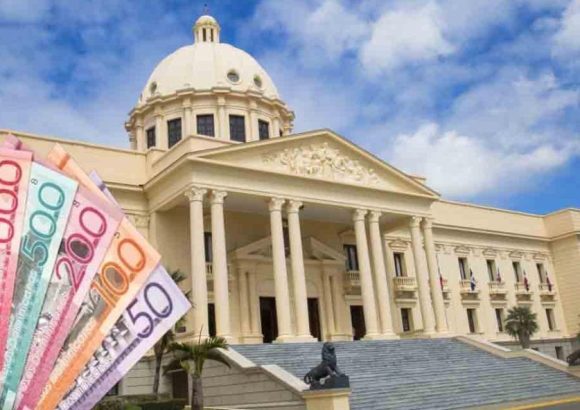
On Thursday, Dominican Republic President Luis Abinader formally enacted the Law of Measures for Economic Growth and Mitigation of the International Crisis, just after the country’s National Congress gave the legislation its final approval.
Drafted in response to widespread global economic uncertainty that has sent ripples through markets and national economies worldwide, the new law centers on multiple core policy goals designed to shore up the Dominican Republic’s economic resilience and advance long-term national progress. Its overarching objectives include fostering inclusive sustainable development, boosting broad public well-being, and reinforcing the underlying conditions that support steady national economic and social expansion.
A key pillar of the legislation focuses on upgrading the country’s public financial governance. It mandates more responsible stewardship of public resources and strengthens frameworks for tax compliance, all anchored in the guiding principles of equity, progressive taxation, and alignment with individual and corporate ability to pay. The legislation also explicitly notes that maintaining consistent fiscal and economic stability is a non-negotiable foundation for retaining public and investor confidence in state institutions, as well as for sustained private-sector job creation across the country.
Against a backdrop of persistent international economic and financial volatility that has left many nations struggling to adapt to shifting conditions, the law frames its policy adjustments as a necessary proactive step. Proponents argue that strengthening fiscal discipline, shoring up the long-term sustainability of public finances, and boosting predictability in economic policy management will directly expand the Dominican state’s capacity to respond quickly and effectively to ongoing changes and emerging challenges in both the domestic and global economic landscape.