In a landmark move that strengthens Jamaica’s battle against climate vulnerability just months after the nation was devastated by the most powerful hurricane in its recorded history, the Green Climate Fund (GCF) has approved a $2.1 million readiness grant to scale up the country’s access to international climate finance. This approval marks a significant milestone not only for Jamaica but for the entire Caribbean region, as Jamaica becomes the first member state of the Caribbean Community (CARICOM) to win funding under the GCF’s updated four-year Readiness Strategy, which launched in January 2024.
The grant proposal was submitted to the GCF on Jamaica’s behalf by the Caribbean Community Climate Change Centre (CCCCC), and the initiative falls under the UK-funded Small Island Developing States Capacity and Resilience Programme (SIDAR) for the Caribbean. SIDAR’s core mission across the region is to expand access to critical climate financing and speed up the transition to climate-resilient development for small island nations that bear the brunt of global climate change despite contributing the least to global emissions.
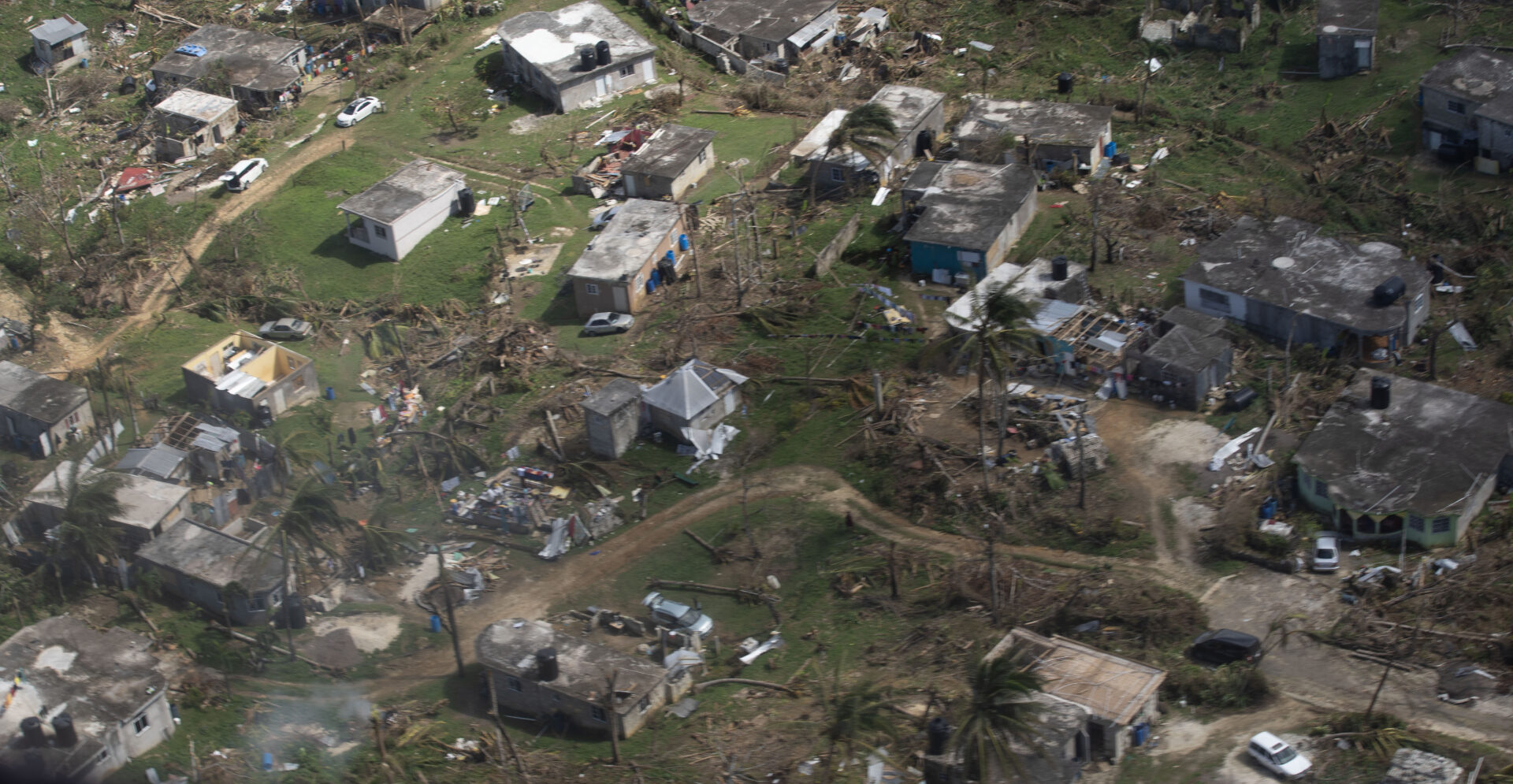
The approval arrives at a pivotal moment for Jamaica, which is still in the early stages of recovery from Hurricane Melissa, the strongest storm ever to make landfall on the island. Preliminary damage assessments show that total losses and infrastructure destruction from the hurricane equal 56.7% of Jamaica’s entire 2024 gross domestic product, a staggering blow that underscores the urgent need for large-scale, sustained climate investment to protect communities and rebuild stronger.
Named “Catalysing Climate Action by Building Jamaica’s NDA Capacity & Country Investment Platform,” the initiative is designed to transform Jamaica’s ability to attract climate finance and develop long-term projects that boost environmental, economic and social resilience across the country. Through the programme, Jamaica will upgrade its national systems for collecting, managing and disseminating climate-related data and technical knowledge. It will also deliver extensive targeted training to build domestic expertise in every stage of climate project development, from design and financing to on-the-ground implementation.
A central pillar of the initiative is the creation of a national Climate Investment Platform, a coordinated mechanism that will connect pre-vetted, investment-ready climate projects with global and domestic financing opportunities. This bridging function is expected to remove key barriers that have historically slowed Jamaica’s ability to attract the large volumes of capital required for post-disaster recovery and long-term resilience building. To support the platform’s long-term success, a dedicated Project Management Unit will also be established within Jamaica’s Nationally Designated Authority (NDA) office, the national body tasked with coordinating GCF engagement.
Jamaica’s Minister of Water, Environment and Climate Change, Honourable Matthew Samuda, welcomed the approval, emphasizing the grant’s critical timing in the country’s post-hurricane recovery period. “The Government of Jamaica welcomes the continued partnership with the GCF, especially considering our post Hurricane Melissa environment. The mobilization of US $2.1million is important to Jamaica’s work in building Climate Resilience,” Samuda said.
CCCCC Executive Director Dr. Colin Young noted that the targeted investment will lay the groundwork for Jamaica to secure far larger volumes of climate finance in the coming years. “Given Jamaica’s vulnerability to climate-related disasters and the urgent need of climate finance at scale to build resilience, this USD 2.1 million investment from the GCF will strengthen the country’s capacity to access greater levels of climate finance that ultimately will protect lives and livelihoods across Jamaica, including areas significantly impacted by Melissa,” Dr. Young explained. He reaffirmed the CCCCC’s ongoing commitment to supporting Jamaica’s climate goals, adding that the regional body will continue to provide technical expertise and foster partnerships to accelerate climate action across the island.
Kristin Lang, Director of the GCF’s Department for the Latin America and Caribbean Region, highlighted that national investment platforms serve as critical coordination tools that align the efforts of governments, private sector actors and international development partners. “These platforms serve as vital mechanisms to bring government, the private sector, and development partners together in a unified process to identify resilient policies and investments, while aligning public and private finance, both international and domestic,” Lang said. She added that the GCF’s Readiness Programme is the world’s largest climate-focused institutional strengthening and technical assistance initiative, and the fund is proud to support this transformative work in Jamaica.
Omar Alcock, Acting Principal Director of the Climate Change Branch within Jamaica’s Ministry of Water, Environment and Climate Change and the country’s NDA to the GCF, echoed these sentiments, noting that the grant will be critical to helping Jamaica meet its dual climate goals of cutting greenhouse gas emissions and strengthening resilience to existing and future climate impacts.
Beyond Jamaica’s national benefits, the approval also advances the CCCCC’s core regional mandate: supporting all CARICOM nations to access and effectively utilize climate finance, while building the institutional capacity required to prepare for, respond to and recover from the growing frequency and severity of climate-driven disasters across the Caribbean.