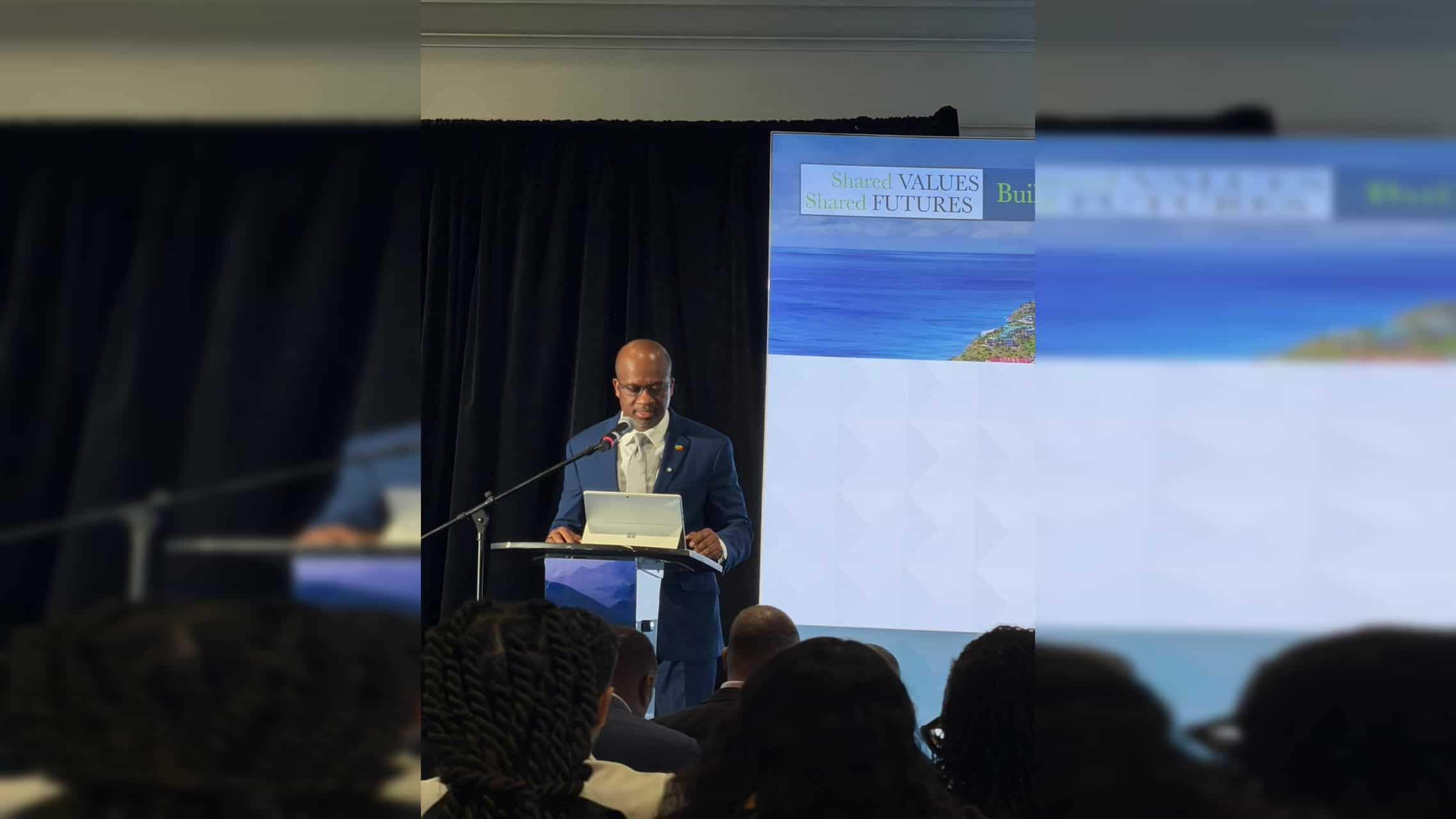
At the opening ceremony of the third annual Investment Gateway Summit (IGS) 2026, held June 17–20 under the unifying theme “Shared Values, Shared Futures”, the Caribbean federation of St. Kitts and Nevis showcased sweeping reforms to its high-profile Citizenship by Investment (CBI) programme, positioning the updated initiative as a global benchmark for integrity, digital innovation and regulatory compliance.
Calvin St. Juste, Executive Chairman of the country’s CBI Unit, outlined the full scope of the multiyear transformation, which has redefined the agency’s core mission beyond traditional application processing and due diligence. What began as a functional model built to meet 2010s-era international standards has been entirely restructured into a modern digital governance authority with oversight over the entire architecture of national identity – from initial verification to ongoing protection and international recognition.
Institutional overhauls form the backbone of the reforms. The CBI Unit now operates under a newly established statutory body, which has strengthened its independent governance framework. St. Juste detailed that the unit’s board oversight mandate has been redrawn, executive leadership has been restructured, and the entire underlying technology infrastructure has been rebuilt from the ground up to support enhanced security and efficiency. The federation has also shifted its engagement with global regulatory partners to a permanent, ongoing dialogue framework, aligning its processes with evolving international expectations.
A key milestone marking the success of these reforms, St. Juste noted, is the U.S. Financial Crimes Enforcement Network (FinCEN)’s recent decision to rescind its 2014 advisory on the St. Kitts and Nevis CBI programme. This action, he emphasized, is tangible proof of the federation’s unwavering commitment to meeting global transparency and compliance standards, and it reflects the trust the country has earned through years of deliberate reform rather than empty claims.
One of the most impactful new security measures is a nationwide mandatory biometric registration initiative, which requires all citizens of St. Kitts and Nevis to complete biometric enrolment by July 2027. St. Juste confirmed that travel and citizenship documents for non-compliant individuals will be deactivated after the deadline. Every biometric record goes through a multi-step verification process built to align with strict international standards, delivering secure, verifiable national identity that protects the long-term value of St. Kitts and Nevis citizenship for all holders.
To improve applicant experience alongside security upgrades, the CBI Unit is also rolling out a new concierge pathway for applicants, a customer-focused administrative adjustment designed to streamline processing while maintaining rigorous due diligence checks.
St. Juste acknowledged that systemic transformation does not come easily, noting it required difficult strategic decisions, consistent discipline and long-term persistence. Amid ongoing global geopolitical shifts across North America, Europe and the Middle East, St. Kitts and Nevis remains laser-focused on preserving stakeholder trust through radical structural transparency, he said. “Our structural transparency is why we are trusted. We use policy changes for our growth.”
Looking ahead, the federation’s ambition is to set the global gold standard for the fast-growing international investment migration industry, cementing its position as the most trusted and well-regulated CBI jurisdiction worldwide. St. Juste emphasized that the mobility opportunities St. Kitts and Nevis citizenship offers to global entrepreneurs and families can only be preserved through continuous institutional improvement. “These doors do not stay open by themselves; they remain open because the institution is continuously upgrading,” he said.