A Jamaican-based property dispute over inexplicably high water bills has cast a spotlight on gaps in regulatory communication and utility accountability, after an overseas property owner was hit with hundreds of thousands of dollars in unexpected charges for an unoccupied home.
VB, the complainant, purchased a residential property in Trelawny, Jamaica in September 2022, and rented it out for nine months before the tenant vacated in June 2023. For six months following the tenant’s departure, the property sat completely unoccupied, with VB only making a single visit in August that year.
It was in October 2023 that VB first received the shocking bill from the National Water Commission (NWC): a $202,000 charge for that month, while the preceding November’s bill clocked in at just $15,000. Perplexed by the exorbitant charge for an unused property, VB filed a formal complaint with the NWC, which only suggested setting up a small payment plan. After the NWC replaced the property’s water meter, the following month’s bill dropped to just $600, yet the utility claimed tests found neither leaks nor meter damage on the original line.
Frustrated by the NWC’s stance, VB escalated the issue to Jamaica’s Office of Utilities Regulation (OUR), the independent body tasked with overseeing utility sector disputes. What followed was a year-long wait for a ruling that ultimately left VB locked out of the appeals process.
The OUR told VB it had mailed the final decision to him because it lacked an email address for correspondence – a claim VB rejects, noting he had already held regular email conversations with OUR staff member Jodian Coultman. VB never received the mailed decision, and by the time the ruling was finally sent to him via email, the 10-day deadline to appeal against the ruling that he was responsible for the full bill had already expired. VB says he has full documentary proof to back up his claim that the OUR never sent the mailed decision as stated.
The issue did not end there. In September 2025, VB received another water bill of $264,000, marking a pattern where annual bills between August and September consistently top $200,000, far out of line with other months.
Seeking resolution through the *Tell Claudienne* consumer advocacy column of the *Jamaica Observer*, VB pushed the NWC to open a second review. In an official response to the column, Horace Binns, acting NWC regional manager for St James/Trelawny, said a full re-investigation had confirmed the 2023 bill was accurate. The original meter was tested and found to be functioning correctly, so the charge remained valid.
For the 2025 inflated bill, Binns explained the charge stemmed from a toilet leak identified during a September 25, 2025 inspection of the property. The new meter installed after the 2023 dispute was also tested and found to be registering correctly, he added. The NWC closed the inquiry after concluding all concerns had been addressed, advising VB to monitor usage and repair any leaks promptly.
VB remained skeptical, pointing out that even after the alleged leak was reported, he never made any repairs, yet the 2026 bills for May and June came in at just $5,089.10 and $7,661.85 respectively, far lower than the 2025 September charge.
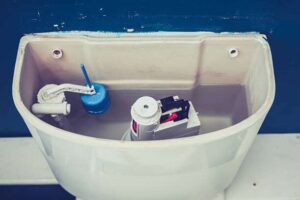
NWC corporate public relations manager Charles Buchanan offered further clarification, noting that the 2025 leak was reported to a property representative who was present during the inspection. He explained that the leak may have been caused by a loose toilet flapper ball connection, which can cause intermittent, temporary leaks that sometimes resolve on their own after jiggling the handle valve. He added that the reduced 2026 bills were not evidence of incorrect billing, but rather a reflection of two partial payments VB made after his water supply was disconnected in April 2026. A $150,000 partial payment cleared most of the outstanding arrears, with the remaining $144,731.31 covering the balance and disconnection/reconnection fees, resulting in the lower balance reflected on the most recent bills once the account was reconnected on April 27, 2026.
The *Tell Claudienne* column, which helps local consumers resolve disputes with utilities, retailers and service providers, invites other consumers with unresolved issues to contact them via phone, WhatsApp, mail or email to seek assistance.