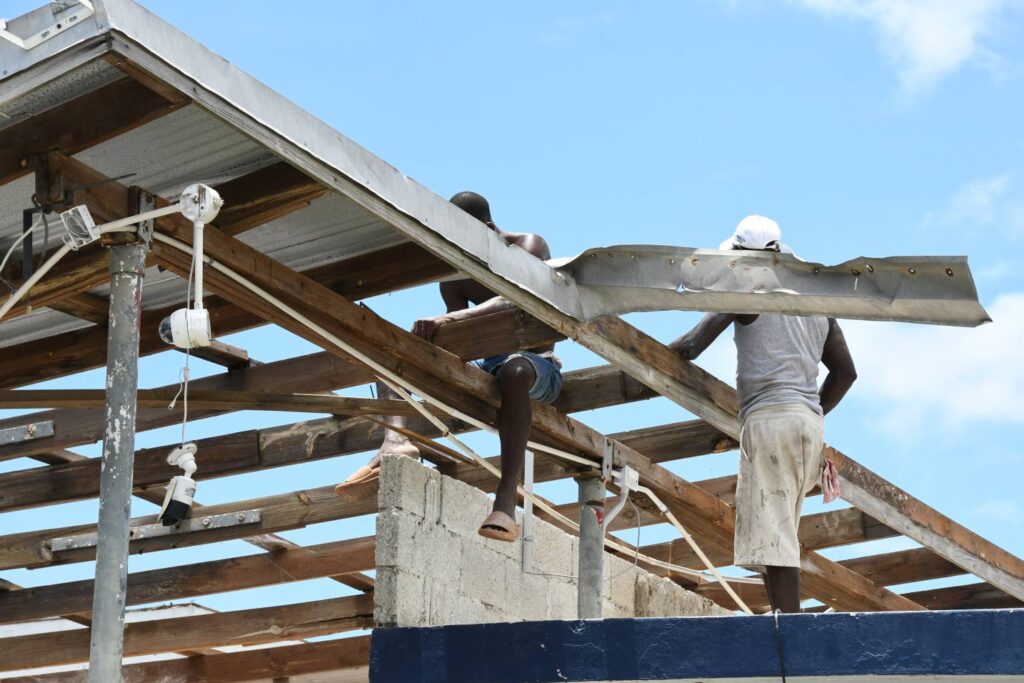
As the 2026 Atlantic hurricane season gets underway, a coastal Jamaican parish is facing a stark reality: it remains woefully unprepared to face new extreme weather events, more than eight months after being devastated by Category 5 Hurricane Melissa. Danree Delancy, Mayor of Savanna-la-Mar, the parish capital of Westmoreland, has sounded the alarm over a cascade of unaddressed vulnerabilities ranging from underapproved emergency shelters to unfunded flood mitigation and incomplete post-storm damage assessments.
Of the 76 sites formally designated as emergency shelters across Westmoreland, only 22 have received final approval to accept vulnerable residents during a storm. The gap is most acute in eastern parts of the parish, which bore the brunt of Melissa’s damage last October and now has the lowest share of operational shelters. The parish’s disaster coordination team is still scrambling to identify additional suitable buildings to expand shelter capacity, even as the season has already begun. A more pressing personnel crisis has also emerged: many experienced shelter managers who stepped up during Melissa have declined to serve again, prompting local officials to launch an urgent search for new volunteer managers. Interested community members are being invited to visit Westmoreland Municipal Corporation (WMC) offices to learn more about the role and how they can support local disaster preparedness efforts.
To resolve longstanding shelter infrastructure challenges, Delancy has put forward a bold proposal for the construction of purpose-built multi-purpose emergency facilities. Designed to withstand Category 5 hurricanes and major earthquakes, these structures would be sited in areas outside flood and tsunami zones to ensure they remain operational during disasters. When not activated for emergency use, the buildings would double as permanent storage for critical relief supplies including bedding, non-perishable food, and medical equipment, eliminating the need to move stock between sites ahead of each storm. They could also be rented out for community events and private functions, generating a consistent revenue stream for local authorities to offset operational costs.
Nearly a year after Melissa made landfall, many of the storm’s impacts still linger across the parish. Hundreds of residents who lost their homes have yet to receive government assistance, as many displaced households moved in with relatives outside their original communities and missed the initial damage assessment window. Assessors had already completed their work and left the area before many residents returned to register their losses. Delancy is calling on Jamaica’s central government to reopen the damage assessment period to ensure no affected resident is left without support, and he has recommended that all future post-disaster assessment campaigns be preceded by widespread public outreach via radio, town criers, and other local communication channels to make sure residents are aware and available to meet with assessors.
The unmet needs extend beyond residential damage. While small-scale farmers have received some support through the Rural Agricultural Development Authority, local Members of Parliament, feed suppliers, and private donors, Delancy notes that no dedicated federal assistance program has been launched for small businesses destroyed or damaged by the storm.
Flood mitigation efforts are also hamstrung by insufficient funding. Central government has allocated just J$300,000 to each local administrative division across the parish for drain cleaning ahead of the 2026 season, but WMC estimates put the total cost of comprehensive drain cleaning needed to reduce flood risk at roughly J$40 million. Delancy acknowledged that the national government operates under tight budget constraints, labeling the requested sum as the bare minimum needed to protect communities, and said local leaders are awaiting an update on additional funding. He has urged local councillors to make the most of the limited resources currently available while pushing for more support.
Despite the widespread gaps in preparedness, Delancy is urging Westmoreland residents to take personal responsibility for their own safety ahead of the season. He advised all households to stockpile at least three days of essential supplies including non-perishable food, drinking water, and necessary medication, noting that it is too dangerous for emergency volunteers to deploy supplies into active storm conditions. He also encouraged residents to clear local drains of debris including fallen tree limbs, garbage, and discarded materials that could block water flow and worsen flooding, and to check on vulnerable neighbors and community members once it is safe to do so after a storm.
In closing, Delancy emphasized that hurricane preparedness is a shared responsibility between national government agencies, local municipal authorities, and individual community members. “The more prepared we are as individuals and communities, the better we will be able to withstand whatever challenges this hurricane season may bring,” he told meeting attendees. He also extended public gratitude to existing shelter managers and all those who have donated time, money, and supplies to Melissa survivors, many of whom continue to give to affected families to this day.