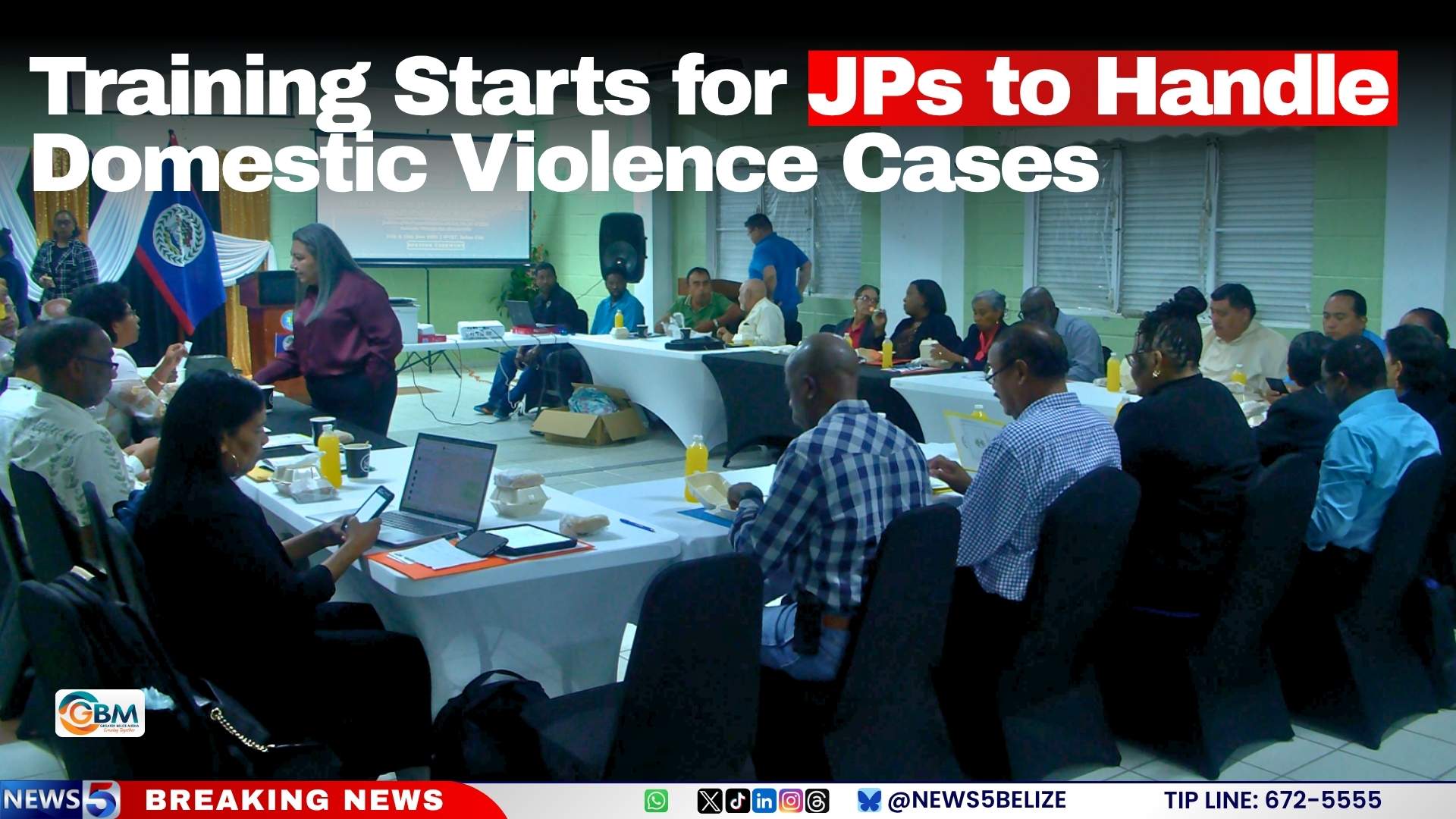
After months of unanticipated delays, government-led specialized training for a vetted cohort of senior Justices of the Peace (JPs) has officially gotten underway. This new initiative will empower these selected legal officials to issue emergency interim protection orders for domestic violence survivors during periods when courts are closed, addressing a long-standing gap in after-hours support for vulnerable victims.
Attorney General Anthony Sylvestre laid out the details of the streamlined new process in a public briefing. Under the revised framework, survivors can walk into any pre-designated police station during weekends, public holidays, or other court closures to request an emergency protection order, eliminating the need to wait for court business to resume. Once approved, the order goes into effect immediately: responding officers will locate the alleged perpetrator, serve formal notice, and outline the binding conditions of the order. When courts reopen the next business day, the case will automatically be assigned to a magistrate for a full evidentiary hearing with both parties in attendance.
Sylvestre acknowledged that the rollout of the program took far longer than initial projections, attributing the delay to the complex cross-agency coordination required to launch the new system. Multiple stakeholders, including national police forces, the national magistracy, and the country’s human development department, had to align policies, protocols, and training frameworks to ensure the system functioned effectively. “Given the nature of the collaboration that had to be undertaken with the various agencies… [it] required some careful thought and planning,” he explained.
To guarantee the integrity of the program, all selected JPs must meet strict eligibility requirements, Sylvestre confirmed. Candidates must first complete a minimum of 10 years of service as a standard Justice of the Peace to qualify for senior JP status, then serve an additional five years with a completely unblemished professional record to be considered for this specialized cohort. This stringent vetting process is designed to ensure only the most experienced, ethical legal officers are authorized to issue these critical emergency orders.
The initiative also addresses widespread public concerns about cases where the alleged perpetrator is a serving police officer. Sylvestre confirmed that a separate, specially vetted team of police officers will oversee these high-stakes cases, selected explicitly for their proven track record of upholding impartiality, carrying out duties without fear or favor, and prioritizing survivor safety over institutional loyalties. “That concern was precisely why specific police officers have been selected and trained to manage the process,” he noted.
In a final move to remove barriers to access for survivors, the Attorney General confirmed that no fees will be charged to applicants seeking emergency interim protection orders during court closures. Any potential associated costs will be addressed at a later stage, when the full case proceeds through the formal court system, removing an immediate financial burden for victims seeking urgent protection.