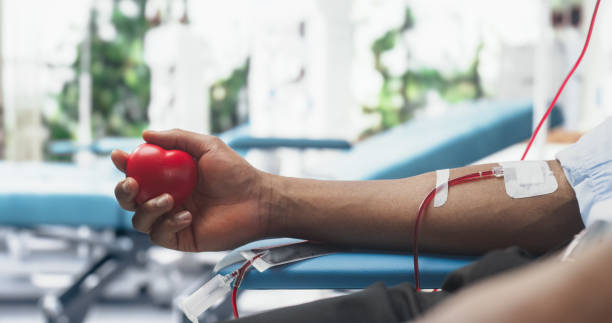
KINGSTON, Jamaica – As the global community prepares to mark World Blood Donor Day on June 14, 2026, Jamaica’s South East Regional Health Authority (SERHA) has launched a public appeal urging local residents to become regular voluntary blood donors to replenish the country’s critically low national blood reserves. Hospitals across the region are facing steadily rising demand for blood products to support life-saving emergency care and routine medical interventions, prompting health officials to call on community members to step forward and contribute to this public health priority. Donations ensure that vulnerable patients can access the critical care they require at the moment they need it most, officials emphasized. As a core part of SERHA’s long-term strategy to strengthen national blood stockpiles, two large-scale public blood donation drives have been scheduled over the coming weeks to make participation accessible for community members across the region. The first drive will be hosted by Spanish Town Hospital on Saturday, June 20, 2026, running from 9:00 a.m. to 3:00 p.m. at the facility’s on-site Blood Collection Centre. The second drive is set to take place at Victoria Jubilee Hospital on Wednesday, July 1, 2026, operating from 9:00 a.m. to 4:00 p.m. in the hospital’s main parking lot. SERHA officials outlined the wide range of medical scenarios that rely on a steady supply of donated blood. It is an indispensable resource for patients undergoing complex surgical procedures, trauma patients injured in accidents, expectant mothers experiencing life-threatening complications during childbirth, people undergoing cancer treatment, and individuals managing chronic blood-related illnesses. Health leaders stress that just one single blood donation has the potential to save multiple lives, and consistent donations are the only way for hospitals to maintain an adequate supply to respond to unexpected surges in demand during public health emergencies or mass casualty events. Dr. Jacqueline Wright-James, Senior Medical Officer at Spanish Town Hospital, highlighted that maintaining a consistent, reliable pool of regular voluntary donors is foundational to a well-functioning public health system. “You never know when you or a member of your family may need an emergency blood transfusion, so there is no reason to wait to register as a donor,” Wright-James explained. “Regular donors fill an irreplaceable role that guarantees hospitals are fully prepared to handle emergencies and meet ongoing patient care needs.” Wright-James also used the campaign to address widespread misconceptions that have discouraged many potential donors from participating, reassuring the public that the entire donation process is strictly safe, minimally invasive, and even offers small health benefits to donors. “A common myth holds that donating blood leaves donors feeling weak long-term, but this is completely untrue,” she noted. “The human body rapidly replaces the volume of fluid and red blood cells that are donated, so donors can return to their normal daily activities with full strength and function almost immediately. Donation even comes with unexpected perks for donors: it includes a free pre-donation health screening, can help reduce excess iron buildup in the bloodstream, and even burns a small number of calories as the body works to regenerate the donated blood supply.” To help community members determine their eligibility before arriving at a drive, SERHA has published clear guidelines for potential donors. People qualify to give blood if they are between 16 and 60 years of age, weigh more than 110 pounds, have well-managed controlled high blood pressure, and are in generally good health and feeling well on the day of their scheduled donation.