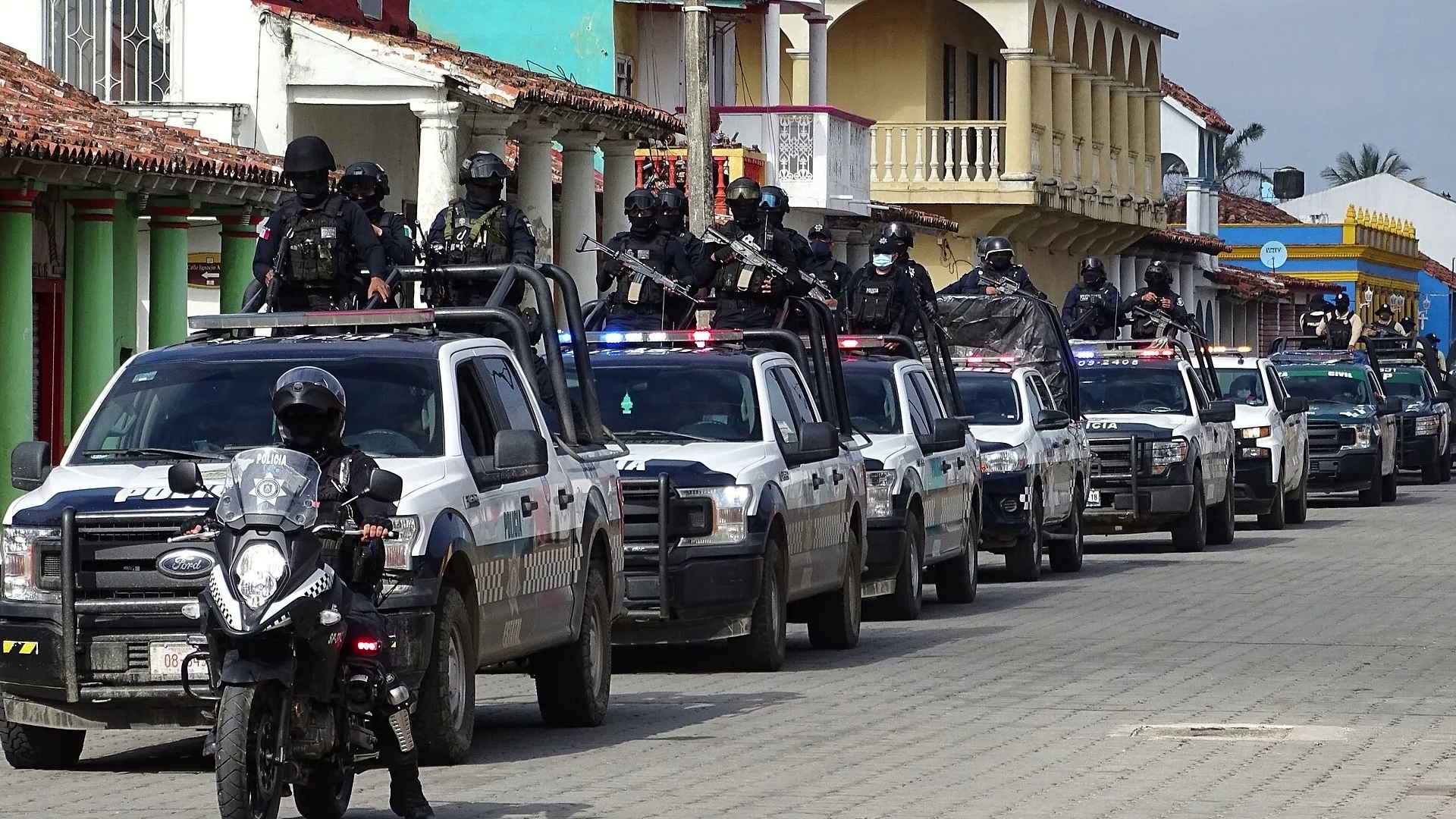
In a recent interview dated June 9, 2026, Ana Luisa Vallejo Barba, Mexico’s Ambassador to Belize, addressed growing public concerns over cross-border cartel-linked violence in the Yucatan Peninsula and called on Belizean travelers to return to the popular border city of Chetumal, emphasizing that the destination remains safe for visitors.
Widespread questions have emerged in recent months over whether Belize faces rising risks of spillover criminal activity from neighboring Mexico, where cartel violence has disrupted parts of the Yucatan Peninsula. Ambassador Vallejo Barba acknowledged that cross-border organized crime is a shared transnational challenge that requires coordinated action, but stressed that longstanding security partnerships between the two nations remain robust and effective.
“ It’s a challenge we are facing and it is a transnational problem that we will have to work out together. But right now, the Mexican government has reinforced the security, mainly in the southern part of Mexico, so please come again to Chetumal. It is safe and everybody is waiting for you,” the ambassador stated.
When asked to elaborate on the depth of security cooperation, Vallejo Barba confirmed that Belize and Mexico currently operate at least three to four dedicated formal mechanisms for real-time intelligence sharing, joint capacity building, and coordinated response to criminal threats. She noted that information exchange between law enforcement agencies on both sides of the border is fast, reliable, and consistently effective, with joint teams working continuously to mitigate security risks.
Border security remains a top priority for both Central American nations, as officials from both sides continue to frame close collaboration as the core pillar of maintaining a safe and stable shared border. Beyond security, the conversation also turned to growing economic ties between the two countries, with Ambassador Vallejo Barba highlighting untapped trade potential for key Belizean agricultural products in the Mexican market.
The ambassador reported that Mexican businesses have expressed rising demand for Belizean exports, particularly in the cattle and coconut sectors. Currently, Belize already ships cattle to Mexican buyers, and Vallejo Barba noted that significant room exists to expand this trade relationship, even amid a temporary tariff dispute that is currently under negotiation. “I know that Belize exports cattle to Mexico and they have already the company that were buying every product from Belize. And, I think we have a lot of opportunity in that kind of market. Also, coconut as you mentioned is very important. There are a lot of Mexican companies that are interested in buying products from Belize,” she said.
To facilitate expanded market access, both sides are currently working to align Belizean product standards with Mexican regulatory requirements, a process that Vallejo Barba says is progressing smoothly. The temporary tariff on Belizean cattle, implemented after a period of duty-free trade, is expected to be resolved through ongoing bilateral discussions in the near future. Officials from both countries remain optimistic that expanded trade will open new, sustainable economic opportunities for Belizean agricultural producers and strengthen bilateral economic ties overall.