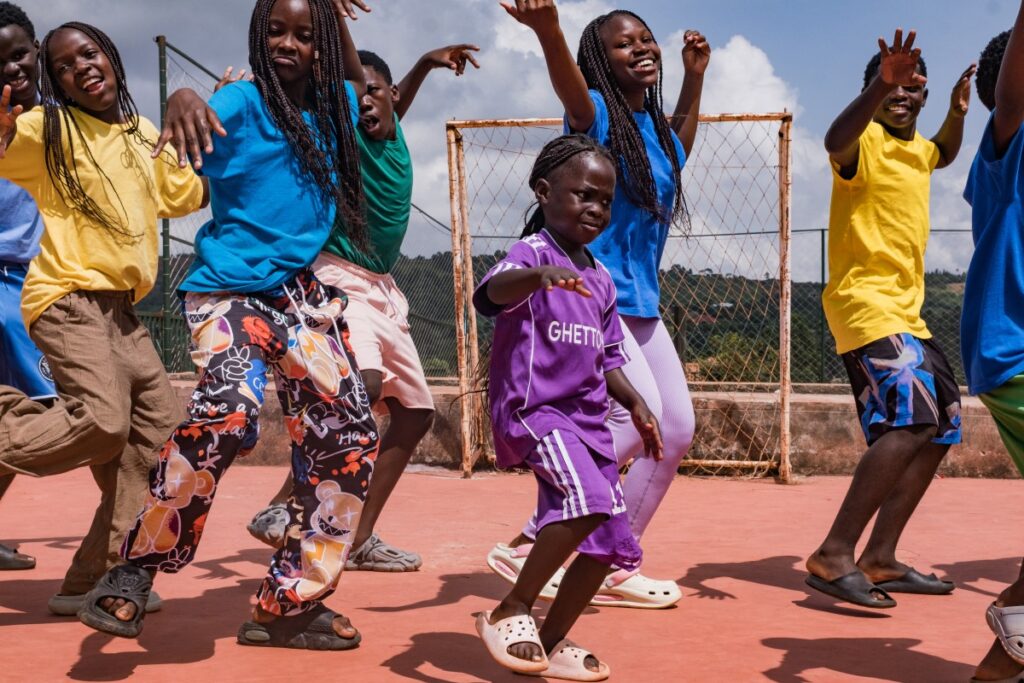
In a life-changing opportunity that has sent ripples of excitement across the global dance community, the Ghetto Kids — a Ugandan performance collective composed of vulnerable street-connected children — are preparing to step onto one of the world’s biggest stages, after global music icon Shakira tapped them to join her half-time performance at the upcoming FIFA World Cup final this summer in the United States.
The Colombian superstar made the announcement last week via her official Instagram account, revealing that the young Ugandan troupe was her first pick for the high-profile finale show. For the kids and the organization behind the collective, the invitation has sparked overwhelming joy, marking a full-circle journey from street performances in Kampala’s informal neighborhoods to a global audience projected to top one billion viewers.
The Ghetto Kids is more than just a dance group: it is a Kampala-based non-governmental organization founded by Kavuma Dauda, a former street child himself, that uses dance and performing arts as a tool to support abandoned and orphaned children across Uganda. The troupe earned their spot after responding to an open call Shakira shared, asking fans to submit homemade dance clips for her new World Cup anthem. Their submission, brimming with unbridled energy and infectious joy, quickly went viral across social media platforms, catching the eye of the Grammy-winning artist.
This is not the first time the collective has captured international attention. Their journey to global fame began with simple clips of their impromptu street performances filmed across Kampala, which amassed a large international fanbase and even earned them a coveted spot on the hit U.S. talent competition series *America’s Got Talent*. Even with that previous high-profile exposure, the World Cup gig represents an unprecedented milestone for the young performers.
Eight-year-old Busingye Josephine Daniella, one of the troupe’s rising young stars, shared her unfiltered excitement in an interview with AFP in Kampala. “We can’t wait to show the world what we are!” she said, echoing the collective’s eagerness to share their talent and story on a global platform.
Sixteen-year-old Ssegirinyi Madwanah echoed that enthusiasm, noting the transformative potential of the opportunity. “Getting outside the country… and performing on one of the biggest stages… it feels good, and it brings a lot of opportunities,” he explained.
For Dauda, the invitation is more than just a moment in the spotlight: it is a chance to advance the organization’s long-term mission. He told reporters he hopes the global attention from the World Cup performance will help the collective raise critical funds to build a permanent rehabilitation and education center for the children they support. “We have that big dream… It’s a very huge opportunity for the Ghetto Kids, for me, for the children,” Dauda said.