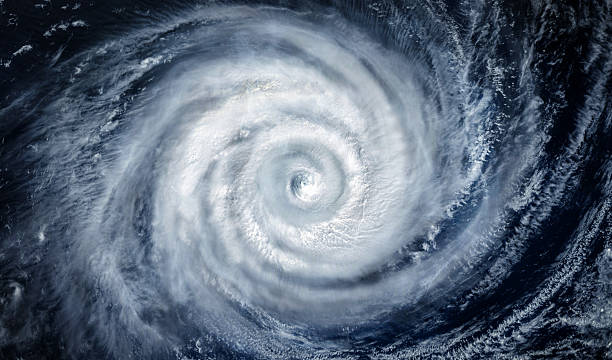
The 2026 Atlantic hurricane and wet season officially kicked off on June 1, bringing with it a mixed forecast that has regional leaders stressing preparedness over complacency. Meteorologists predict the six-month season, which runs through November 30, will be unusually subdued, driven by the formation of a strong El Niño — a climate pattern historically linked to suppressed hurricane activity in the Atlantic basin. The Caribbean Institute for Meteorology and Hydrology (CIMH) projects just 14 named storms will form over the season, a below-average total that has led many to lower risk expectations.
But this calm projection has not eased warnings from disaster management officials across the Caribbean, who warn that even a single landfalling hurricane or weak tropical system can trigger catastrophic damage for small island nations. History bears out this caution: in 1994, the relatively weak Tropical Storm Debby dumped extreme rainfall across the region, triggering widespread flooding that destroyed bridges, damaged residential homes, crippled critical public infrastructure, and destroyed agricultural lands. Total economic damage from the storm topped $103 million, a devastating blow for small regional economies.
Speaking at an official briefing this week, Elizabeth Riley, Executive Director of the Caribbean Disaster Emergency Management Agency (CDEMA), emphasized that lower projected activity does not equal zero risk. “Even one hurricane making landfall can cause serious damage,” Riley noted in a prepared statement, outlining that the agency’s core mission centers on protecting people, communities, and livelihoods across the region’s participating states. “Every plan we develop, every exercise we conduct, and every partnership that we pursue is directed towards saving lives and reducing losses when hazards occur.”
Riley added that disaster readiness should not be restricted to the official June-to-November hurricane season window, noting the Caribbean faces a wide range of natural and manmade hazards year-round. Even so, she expressed confidence in the region’s collective ability to respond, pointing to decades of coordinated action and shared solidarity that have strengthened disaster response capacity. “We enter the season with experience, lessons learned, partnerships and a renewed commitment to readiness,” she said, noting that shifting global geopolitics and associated uncertainties make regional cooperation and self-reliance more important than ever. “Our long-standing regional commitment to solidarity is even more important at this time… [preparedness, coordination, and timely action] have continued to shape our commitment to strengthening regional cooperation, regional self-reliance and supporting our participating States in reducing disaster risks, improving readiness and response capacities.”
The call for urgent preparedness was echoed by St. Lucia Prime Minister Philip J. Pierre, who also chairs the National Emergency Management Advisory Committee (NEMAC). Speaking at Monday’s pre-Cabinet press briefing, Pierre reiterated that even one severe storm is enough to reverse decades of development for small island nations. “The forecast says that because of that weather pattern (El Niño), there may be a little variant in terms of the intensity of the storms. But as you know, we cannot predict that; one storm can create damage that can put the country back one hundred years,” Pierre said, urging all citizens to begin completing necessary preparation steps immediately.
To support public readiness, the National Emergency Management Organisation (NEMO) is set to launch a targeted community outreach initiative dubbed the “zip-lock” program this week. The campaign will distribute free essential emergency preparedness kits and educate local residents on practical, low-cost steps to protect their homes, families, and property ahead of any storm.