Barbados’ beloved annual Crop Over festival is one step closer to a full revival of its most spectacular traditions, but a key industry leader has warned that bringing back the iconic Kings and Queens of the Bands competition will only be possible with substantial new financial investment.
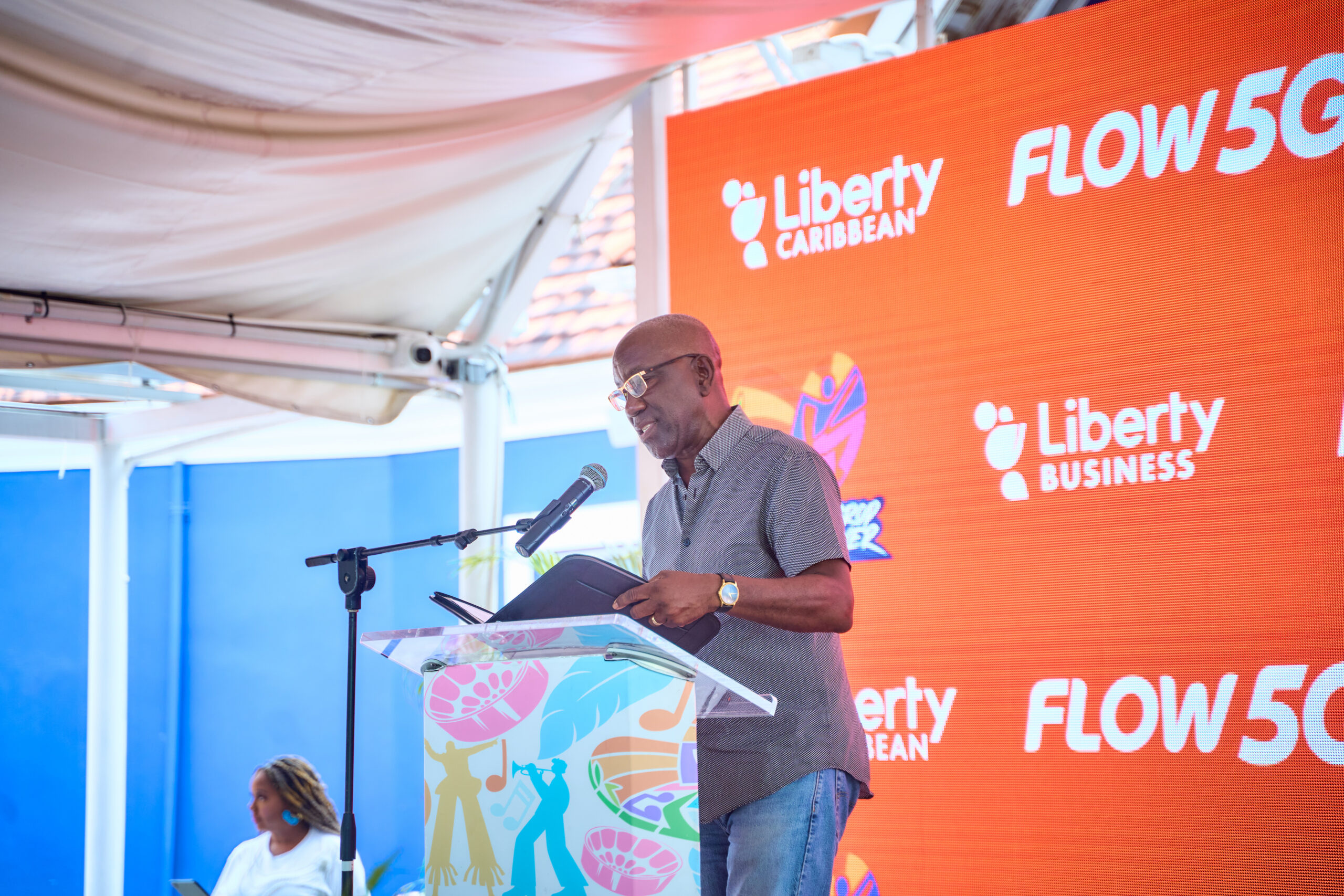
Speaking at last week’s official launch of the Flow 5G Grand Kadooment, a flagship event of the festival powered by TV8, Anthony Layne, vice-president of the Barbados Association of Masqueraders (BAM), opened up about the sector’s biggest hurdles as it works to rebuild the historic tradition. While Layne expressed enthusiasm for the recently announced return of Cohobblopot, a central Crop Over event, he emphasized that the celebration cannot recapture its original magic without the towering, intricately crafted King and Queen costumes that once served as the festival’s centerpieces.
According to Layne, the steep production costs associated with designing and building these elaborate large-scale costumes have created an unsustainable barrier for bandleaders and costume designers, especially emerging creators new to the masquerade industry. Beyond upfront production costs, outdated prize structures have long failed to align with the time, labor and money poured into creating these showstopping pieces.
“For years, the total cost of producing a competition-level King or Queen costume exceeded the top prize money awarded to winners,” Layne explained. “That imbalance is what drove most veteran designers and bandleaders away from participating. We cannot bring this tradition back without the necessary financial backing in place.”
Layne stressed that the return of Cohobblopot would feel incomplete without the elaborate costumes that once drew crowds of thousands and captivated audiences across the island. “If we want to bring Cohobblopot back the way it was in its prime, the Kings, Queens and their full band presentations have to be a core part of it. Without that component, it just won’t be the same event that people remember and love,” he said.
Given the extensive work that goes into creating these large, complex costumes, Layne noted that a full revival will not happen overnight. Large-scale pieces require months of advance planning, handcrafting and design work, so he does not expect the full Kings and Queens of the Bands tradition to return for this year’s festival, instead targeting a comeback for 2025. “We need to give designers time to tap into their creativity and build these extraordinary pieces from scratch. These are not simple costumes – they are large-scale works of art, and that takes time,” he said.
Despite the financial hurdles, Layne struck an optimistic note about long-term efforts to rebuild the sector, pointing to new initiatives aimed at training the next generation of masquerade artisans. The recently launched Wire Sculpting for Masquerade Workshop, a collaborative effort between Pinelands Creative Workshop, the National Cultural Foundation, Caribbean Yard Campus and the Maria Holder Trust, is already teaching foundational wire-binding skills to young people interested in costume making.
Discussions to bring in expert wire-bending instructors have been in the works for years, but were put on hold by global COVID-19 pandemic disruptions. Layne said the long-awaited training program is a critical step forward for the industry. “We’re so glad this training is finally happening, but it has to be done right. We need to build something that captures the public imagination and draws the crowds back like it did in its heyday,” he said, recalling how Cohobblopot regularly sold out and packed venue grounds in its most popular years. “I remember when Cohobblopot was bursting at the seams, the way the young people say now.”