In a landmark recognition for regional labor rights progress, the Dominican Republic has secured placement in Category 2 of the 2026 Global Rights Index released by the International Trade Union Confederation (ITUC), cementing its status among the top three countries in the Americas for the protection of collective labor rights.
The Caribbean nation shares this strong standing with Barbados, while Uruguay remains the sole regional economy to hold the highest classification of Category 1, according to statements from the Dominican Ministry of Labor.
Developed to benchmark global labor conditions, the ITUC index assesses four core pillars of international labor standards: freedom of association for workers, the right to collective bargaining, legal protection for strike action, and equitable access to labor justice systems. Across more than 150 nations, the index has emerged as one of the most widely referenced global yardsticks for measuring institutional commitment to workers’ rights, guiding decision-making for cross-border investors, multilateral organizations, and labor industry stakeholders worldwide.
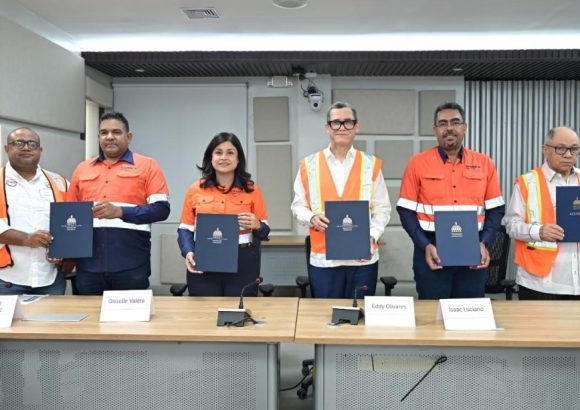
Dominican Labor Minister Eddy Olivares Ortega emphasized that the new ranking reflects tangible, sustained progress across the country’s efforts to strengthen labor governing institutions, expand inclusive social dialogue between workers, employers and the state, and align domestic regulations with the core international labor principles advanced by the International Labour Organization (ILO).
Olivares credited the improved outcome to collaborative cross-sector work, noting that the achievement would not have been possible without coordinated efforts from the national government, organized worker groups, employer associations, and public labor institutions, all of which have aligned to advance fair employment relations and broader social justice across the Dominican workforce.
Notably, the 2026 ranking marks an upgrade in the Dominican Republic’s standing compared to previous ITUC evaluations. This improvement comes at a time when the global landscape has seen widespread rollbacks of labor protections, with many nations recording setbacks in workers’ rights amid post-pandemic economic shifts and evolving labor market pressures.
Moving forward, the Dominican Ministry of Labor has reaffirmed its long-term commitment to advancing policy reforms that further strengthen core labor rights. Key priority areas include expanding protections for freedom of association, improving collective bargaining frameworks, enhancing workplace safety standards, increasing the reach and efficacy of labor inspections, and upholding balanced protections for both workers and employers across all sectors of the national economy.