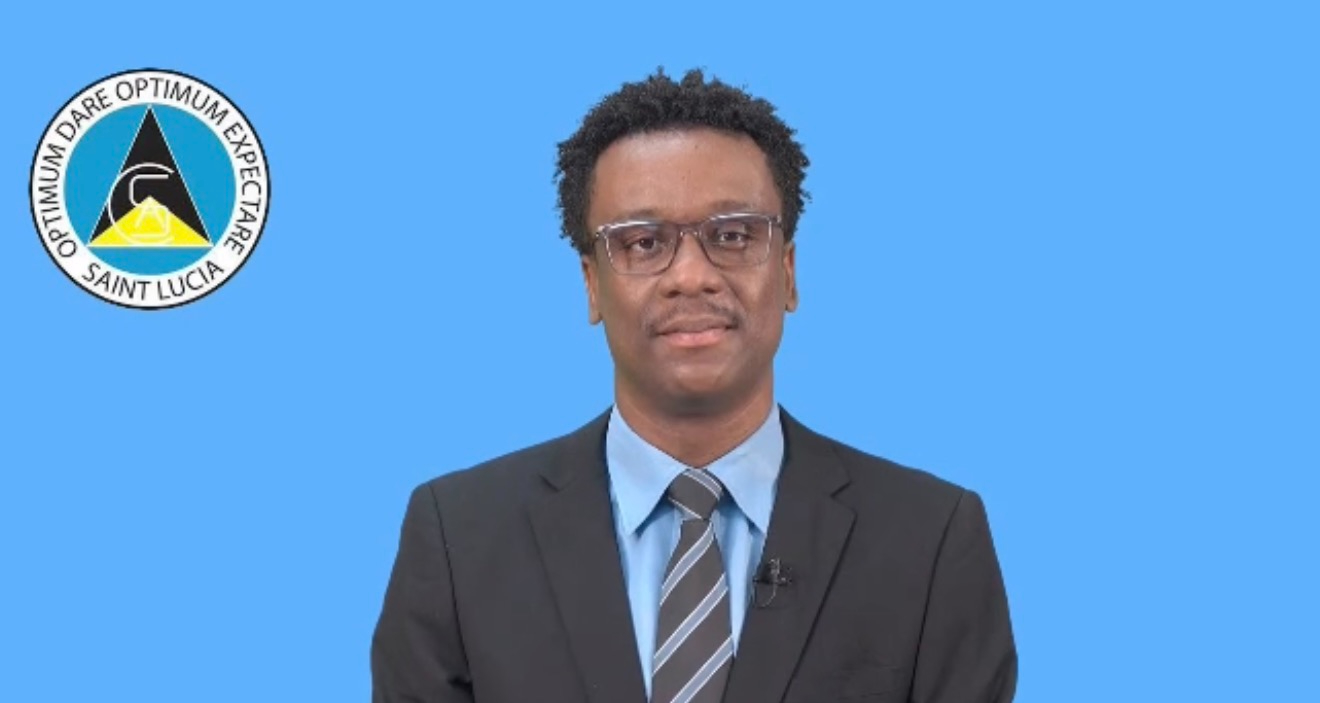
One of Saint Lucia’s longest-standing public sector worker organizations is currently grappling with an unprecedented internal crisis, after a legal challenge to the results of its late April leadership election derailed a scheduled leadership transition and brought the union’s core operations to a halt.
The controversy unfolded immediately after results were finalized for the April 29 vote, and the incumbent outgoing president delivered a formal concession speech acknowledging the victory of the opposition slate led by Nickson Barry. Just under three weeks after the election, on May 18, 2026, losing candidates from the defeated team took formal legal action: they submitted a lawyer’s letter and filed an injunction against both the Saint Lucia Civil Service Association (SCSA) and its independent Elections Commission, claiming that unspecified irregularities had marred the electoral process.
The dispute moved to the Saint Lucia High Court for an initial hearing three days later, on May 21. According to president-elect Barry, legal representatives for the challenging slate requested an extended adjournment to complete preparation of their case. The court granted the request, pushing the full substantive hearing to June 15, 2026, and formally advised the SCSA to delay its planned delegates conference pending a court ruling.
This scheduling order has had cascading consequences for the union. Under the SCSA’s constitution, the newly elected executive body was scheduled to be formally sworn into office on May 27. That inauguration has now been canceled indefinitely, leaving the organization unable to advance any of its routine business. In remarks to SCSA members, Barry confirmed that the union’s daily operations have effectively come to a standstill amid the leadership vacuum.
Barry emphasized that the legal challenge is a historic turning point for the organization, marking the first time such a major dispute has erupted in its 75 years of existence. He described the current moment as among the darkest periods in the union’s history, warning that the challenge poses a long-term risk to member confidence in the SCSA’s internal governance framework. “They seek to erode the level of trust we place in our procedures and processes,” Barry told members, noting that the damage to institutional credibility could outlast the court case itself.
Despite the widespread uncertainty hanging over the organization, the president-elect used his address to lay out his policy agenda for when he eventually takes office. Barry has made a public commitment to strengthening and modernizing the SCSA’s internal systems, with a core focus on better serving the needs and interests of the union’s full membership. He also issued a direct appeal to all SCSA members to maintain unity and solidarity throughout the ongoing legal process, framing solidarity as key to navigating the crisis.
Barry has not shied away from the severity of the current impasse, but he has maintained steady optimism about the final outcome. “I believe justice will prevail, and our union will move forward to achieve great things,” he said, adding that members must not allow the internal dispute to distract from the union’s core collective mission and ongoing advocacy work for civil service employees.
Barry repeatedly affirmed that he and the rest of his elected leadership slate stand ready to assume office as soon as the legal process concludes. “I remain ready to work with the team of elected officers to deliver a stronger, united and modern SCSA that benefits us all,” he stated.
With the critical High Court hearing still weeks away, the leadership of the SCSA remains in limbo. Even so, Barry expressed unshakable confidence in the organization’s ability to overcome this unprecedented challenge. Closing his address to members, he declared: “The SCSA will rise above this challenge. Together we shall. Together we must. Together we will.”