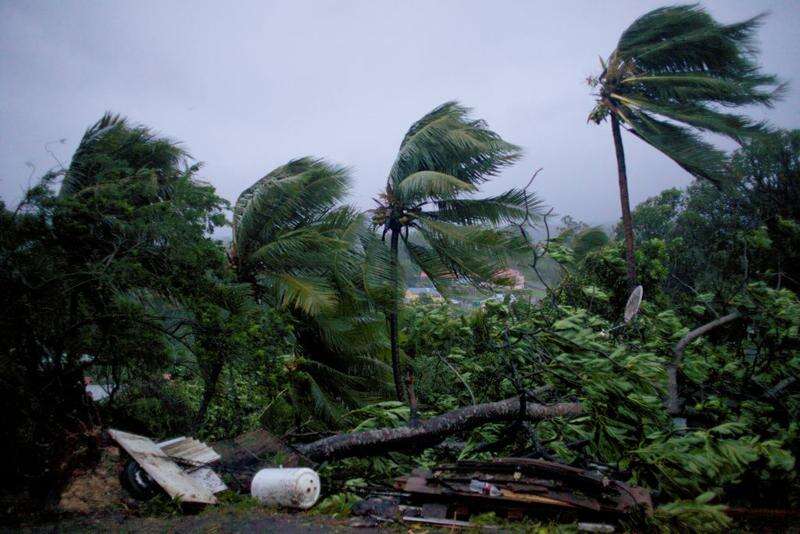
When regional climate experts gathered in Nassau, The Bahamas for the 2026 Wet/Hurricane Season Caribbean Climate Outlook Forum (CariCOF), one leading climatologist delivered a stark message: a quieter hurricane season does not equal a low-risk year for Caribbean nations. Leading Caribbean climatologist Dr. Cedric Van Meerbeeck told attendees that current climate projections point to a below-average 2026 Atlantic hurricane season, but the underlying weather patterns driving this trend also create a suite of other dangerous climate hazards that communities must prepare for immediately.
Dr. Van Meerbeeck’s forecast is rooted in the projected return of a strong El Niño climate pattern across the tropical Pacific, a well-documented phenomenon that alters global atmospheric circulation to suppress the formation of Atlantic hurricanes. Current projections call for approximately five hurricanes to form across the Atlantic basin in 2026, with just two reaching Category 3 or higher on the Saffir-Simpson Hurricane Wind Scale — numbers that fall below the long-term seasonal average for the region. But El Niño’s impacts stretch far beyond reducing hurricane numbers, and the climatologist emphasized that the pattern amplifies a range of other extreme weather threats that are often overlooked in seasonal outlooks.
One of the most significant underdiscussed risks this year will be unstable, erratic weather patterns across the Caribbean, Dr. Van Meerbeeck explained. Even with fewer named storms overall, the region faces an elevated chance of intense, short-duration rainfall events that can trigger catastrophic flash flooding, paired with prolonged, record-breaking heat waves that strain public health systems and infrastructure.
Compounding these risks is the fact that sea surface temperatures across the northern Caribbean — encompassing island nations including The Bahamas, Cuba, and Jamaica — are already running well above long-term averages. These warm waters can act as a fuel source for any storm that does form, amplifying its intensity and rainfall output even if the overall number of storms is lower than usual.
Water security is another critical concern for the coming year, the climatologist noted. While the upcoming wet season is expected to bring enough rainfall to ease long-standing drought conditions in some parts of the region, that temporary relief will likely not be enough to reverse chronic water deficits that could lead to shortages later in 2026. To address this gap, Dr. Van Meerbeeck issued a clear call to action for Caribbean governments: invest in expanding water storage infrastructure and update drought preparedness plans now, while rainy conditions are providing an opportunity to build up reserves.
Public health risks linked to extreme heat will also be amplified by El Niño, particularly for the region’s most vulnerable populations. Prolonged high temperatures, paired with unseasonably warm overnight temperatures that prevent the body from cooling down after hot days, pose a severe threat to elderly residents, young children, and people with pre-existing health conditions.
In closing, Dr. Van Meerbeeck stressed that communities across the region must abandon the misconception that a below-average hurricane season means widespread safety. Even one major hurricane hitting a Caribbean island or coastal community is enough to wipe out crops, destroy critical infrastructure including roads and water systems, disrupt livelihoods, and cause billions of dollars in damage that can set back national economies for years. As the season approaches, proactive preparation across all hazard types, not just hurricane preparedness, will be critical to reducing harm and protecting communities.