The 2026 FIFA World Cup, set to kick off on June 11, is poised to make history as the most expansive edition of global football’s flagship event. For the first time since the World Cup’s inception nearly a century ago, the tournament will be jointly hosted by three North American nations: the United States, Canada, and Mexico. Expanded to feature 48 participating national teams from across the globe, this year’s iteration will break new ground for inclusivity, cultural exchange, and sporting passion, bringing together the world’s best talent on a truly continental stage.
Beyond the excitement of on-pitch action and the rise of new global football stars, organizers have centered the 2026 tournament on highlighting the unique cultural identities of its three host nations. The centerpieces of this cultural celebration are three brand-new official mascots — one for each host country — and a collaborative official tournament anthem crafted to unite fans worldwide.
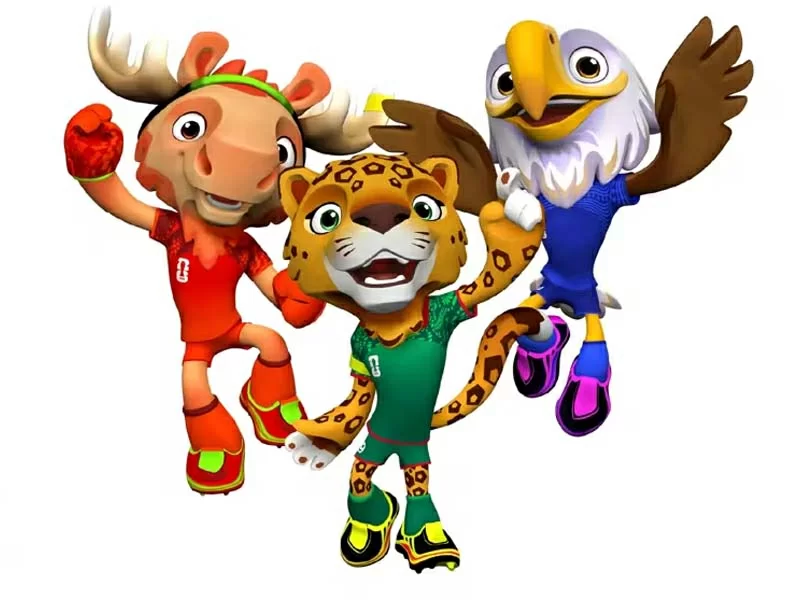
Breaking another longstanding World Cup tradition, 2026 is the first tournament to feature three official mascots, each designed to reflect the character, heritage, and natural landscapes of its home nation.
Representing Canada is Maple, a cheerful moose whose name pays homage to Canada’s iconic national symbol, the maple leaf. Embodying the values of resilience and creativity that define Canadian culture, Maple is framed as a skilled goalkeeper, with hidden passions for music and street art that showcase the nation’s vibrant creative scene.
For Mexico, the official mascot is Zayu, an energetic jaguar that symbolizes strength and the country’s deep, rich indigenous and cultural heritage. As a striker on the pitch, Zayu celebrates Mexico’s beloved culinary and dance traditions, and honors the wild southern Mexican landscapes that remain one of the last natural habitats for jaguars across North America.
Rounding out the trio is Clutch, the mascot for the United States, a bald eagle — America’s national animal — that stands for speed, power, and unbridled passion for the game. Positioned as a dynamic midfielder, Clutch embodies the curiosity and relentless optimism that are central to American national identity, aligning with the growing energy of the country’s men’s national team.
The 2026 mascots carry forward a decades-long tradition of beloved World Cup icons, stretching back to Italy 1990’s stick-figure Ciao, South Africa 2010’s leopard Zakumi, and most recently Qatar 2022’s La’eeb, the floating traditional keffiyeh that captured fans’ hearts across the globe.
Alongside the mascot reveal, organizers have announced the 2026 official tournament anthem, titled “Dai Dai.” For the first time in many years, the anthem is a collaborative track between two global music superstars: Colombian pop icon Shakira and Nigerian Afrobeat legend Burna Boy. This marks Shakira’s second official World Cup anthem, following her 2010 global smash “Waka Waka (This Time for Africa),” which remains one of the best-selling and most recognizable World Cup anthems of all time. She also contributed the secondary theme song “La La La” for the 2014 Brazil World Cup, performing it during the Rio de Janeiro closing ceremony, and delivered a memorable performance of “Hips Don’t Lie” at the 2006 World Cup closing ceremony in Germany.
“Dai Dai” blends Afro and Latin musical styles to create a sound that reflects the global diversity of the 2026 tournament, centered on themes of resilience, passion, dream-chasing, and international unity. Key lyrics reinforce the song’s core message of strength: “What broke you once made you strong.” To emphasize the World Cup’s truly global reach, the chorus includes rallying cries in multiple languages, from Italian, Japanese, and Spanish to French: “Dai, dai, ikou, dale, allez, let’s go.” Additional verses highlight the hard work and determination of competing athletes, with lyrics that reinforce individual agency: “You are the owner of that fire, no one can take it away. Sweat and blood to write your story, that is how you paved the way.”
Colombia, Shakira’s home nation, has qualified for the 48-team 2026 tournament, which will run from June 11 through July 19. Together, the three new mascots and genre-blending anthem have given the 2026 World Cup a vivid, culturally rich identity that does more than just highlight the three host nations: it celebrates the shared passion and unity that football brings to communities across the entire world.