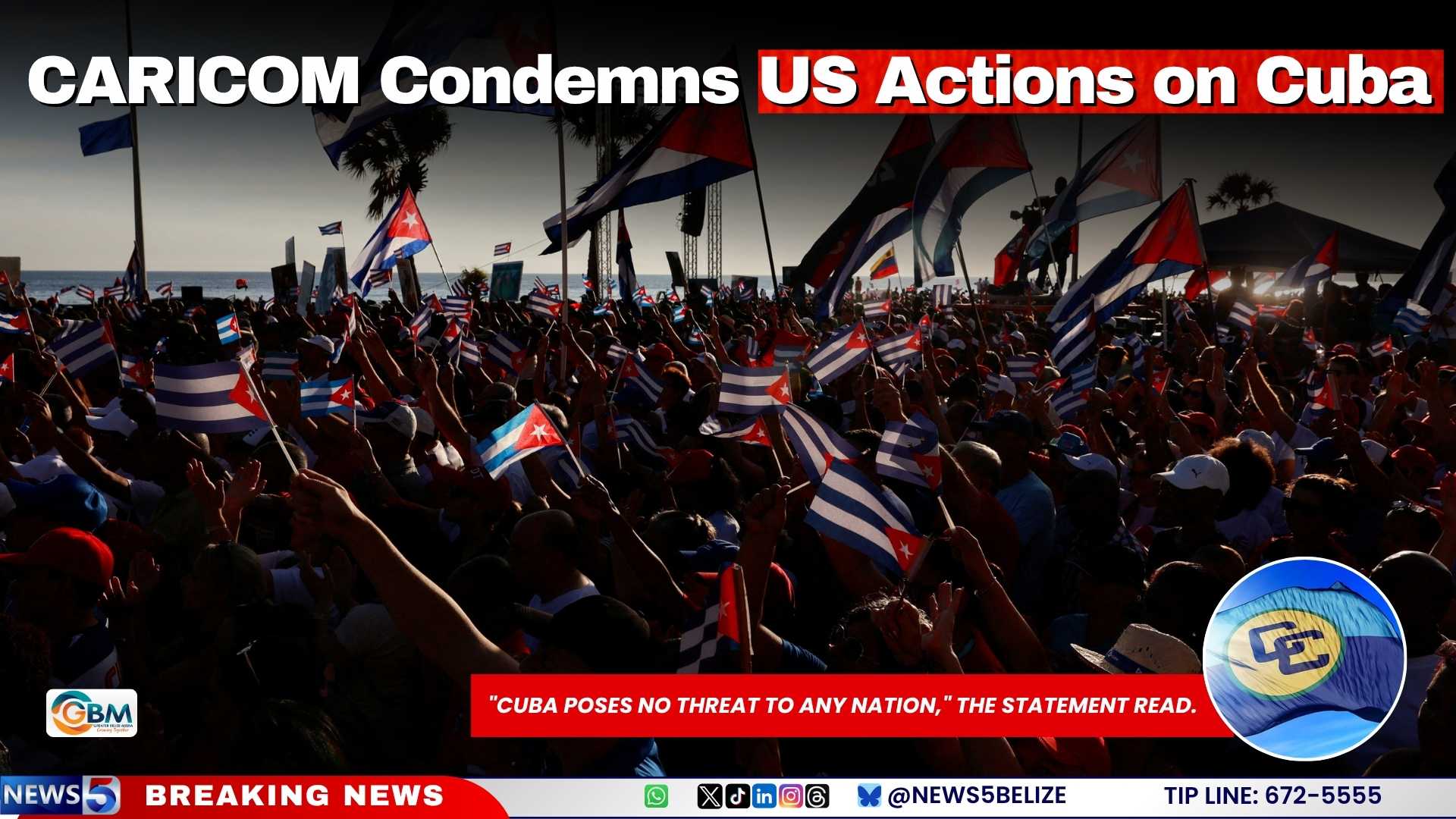
On May 27, 2026, the Caribbean Community’s Council for Foreign and Community Relations (COFCOR) delivered a forceful rebuke of the United States’ recent tightening of economic and trade sanctions against Cuba, marking a major show of regional pushback against Washington’s long-standing policy toward the island nation.
In an official statement released following the body’s latest deliberations, COFCOR emphasized that the 60-year U.S. embargo on Cuba has already inflicted widespread, sustained harm to Cuban households and local livelihoods across the country. The newly expanded restrictions, which include disruptions to Cuban fuel imports, have now pushed the country into a full-blown humanitarian emergency, the council argued. COFCOR reaffirmed Cuba’s sovereign right to import critical energy resources, and labeled the U.S. obstruction of these supplies as an unjustifiable violation of both fundamental human rights and the principles of free global trade.
Beyond the economic and humanitarian impacts, regional leaders also sounded a urgent alarm about recent public discourse hinting at potential U.S. military action against Cuba. The council stressed that any act of military aggression targeting the island would send shockwaves through the entire Caribbean region, unraveling years of collaborative work to maintain the Caribbean’s status as an internationally recognized Zone of Peace. “Cuba poses no threat to any nation,” the statement reiterated, pushing back against narratives framing the country as a security risk to other hemispheric powers.
Notably, the declaration did not receive unanimous backing from all 15 CARICOM member states. While the vast majority of bloc members endorsed the critical statement, two nations — Guyana and Trinidad and Tobago — chose to reserve their official positions on the text, revealing a small degree of internal division within the regional bloc over how to address tensions between the U.S. and Cuba.
The rebuke comes as diplomatic friction over Cuba policy has reignited in the Caribbean, where many regional governments have long opposed the U.S. embargo as a violation of international law and a barrier to regional economic integration. COFCOR’s statement adds to growing global pressure on the United States to reconsider its long-standing sanctions regime, which has drawn repeated criticism from international bodies for its disproportionate impact on civilian populations.