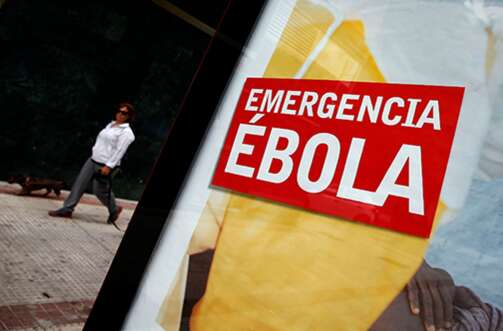
In response to a new global health alert over spreading Ebola outbreaks in Central Africa, Jamaica’s national health authority has rolled out enhanced protective measures and updated travel guidance for all residents and international visitors.
The newly enforced protocols come immediately after the World Health Organization designated the concurrent Ebola outbreaks in the Democratic Republic of Congo and Uganda as a Public Health Emergency of International Concern (PHEIC), the UN body’s highest tier of global health alert. While WHO’s official risk assessment classifies the danger as severe within the African continent but low across the rest of the globe, Jamaican health officials have moved quickly to pre-empt any potential importation of the virus into the island nation.
At the core of the new regulations are strengthened screening and surveillance systems at all of Jamaica’s ports of entry, including international airports, seaports, and border crossings. Health authorities confirmed that any traveler—whether Jamaican citizen or foreign visitor—who has visited or transited through one of the two affected African countries within the 21-day Ebola incubation period will face specific public health requirements, even if they show no signs of infection. Asymptomatic travelers must complete a mandatory 21-day period of self-quarantine, monitored directly by local public health teams to enable rapid detection of any emerging symptoms.
For travelers who develop or present with Ebola symptoms consistent with the outbreak upon arrival in Jamaica, officials have outlined stricter protocols: these individuals will immediately be classified as suspected cases and transferred to designated isolation facilities for testing and monitoring until their status is confirmed.
Beyond border controls and quarantine requirements, Jamaica’s Ministry of Health and Wellness has issued a public appeal for all residents to rely exclusively on official, authorized public health sources for the latest information and guidance on the Ebola situation. The advisory emphasizes that misinformation from unofficial outlets can increase public risk, and urges people to avoid unvetted social media posts or secondhand reports about the outbreak.
Public health experts note that Jamaica’s proactive response aligns with global best practices for emerging outbreak management, leveraging the 21-day incubation period of the Ebola virus to catch imported cases early before they can lead to local transmission. With the WHO’s declaration triggering coordinated global action, Jamaican officials say they will continue to update their protocols in line with the evolving situation in Africa and emerging guidance from international health bodies.