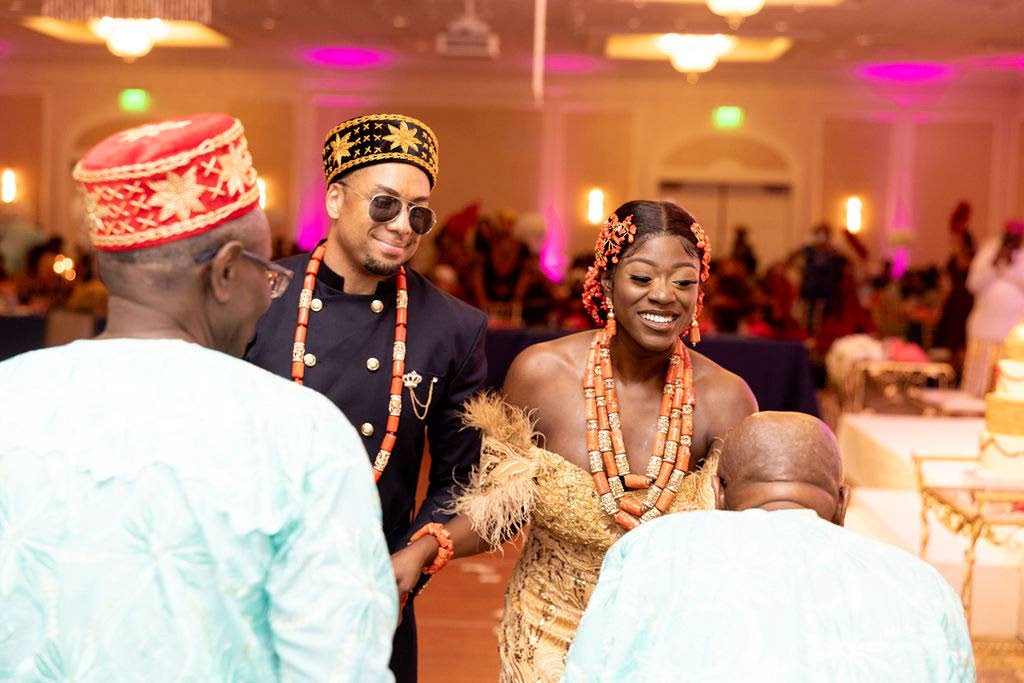
As global mobility and digital connection break down geographic and cultural barriers, more and more couples from differing cultural, religious and traditional backgrounds are uniting in marriage — turning their weddings into far more than a celebration of romantic love. These events are joyful merging of two personal stories, two family lineages, and often two distinct faiths, bringing a rich depth of meaning that sets them apart from homogeneous cultural ceremonies. Yet for all their beauty, multicultural weddings present a unique, common question: how can couples honor both partners’ cultural identities fully, without leaving one side feeling sidelined or their traditions diluted?
Multicultural marriages have grown steadily more common in recent decades, and this trend shows no sign of slowing. Widespread access to international travel, cross-border career opportunities, and digital dating platforms that connect people across continents have created more space for intercultural love to bloom. Today’s couples increasingly want their weddings to reflect not just their shared future, but the unique individual identities each partner brings to the relationship. When planned with intention and care, these events stand out as some of the most personal, memorable and meaningful wedding celebrations possible.
Historically, the most common approach for intercultural couples was to host two separate wedding events: one dedicated to each culture’s religious or traditional rituals. This model remains a perfectly valid and effective choice today, particularly when certain ceremonies are sacred, require a specific structure, or are too lengthy to combine comfortably. However, a growing number of modern couples are opting for a more integrated alternative: a single, thoughtfully designed celebration that weaves both partners’ cultural traditions together in a seamless, respectful way.
The first step to building a successful multicultural wedding is figuring out which structure aligns best with the couple’s values and circumstances. Couples need to weigh whether two distinct ceremonies will feel more authentic to their backgrounds, or if one combined event will better reflect the unified dynamic of their relationship. Key practical considerations include logistics, travel requirements for family members, visa processes, destination plans, overall timing, and available budget. A rising middle ground gaining popularity particularly in popular wedding destinations like Jamaica is the multi-day wedding weekend: couples can highlight one culture during a welcome event, the other during the official ceremony, and center both shared identities during the main reception.
Honoring both cultures relies on intentional inclusion, rather than last-minute token gestures. Couples can weave meaningful traditions into every layer of the wedding experience, from the structure of the ceremony and musical selections to the menu, wedding attire, decor, core rituals, and evening entertainment. For example, a couple with one Jamaican partner might hire a traditional mento band to perform during cocktail hour, incorporate a sacred ceremonial ritual from the other partner’s culture into the vow exchange, and craft a menu that highlights signature dishes from both family backgrounds. Food, in particular, is a powerful vessel for cultural storytelling, whether it takes the form of signature cocktails, themed tasting stations, homemade family recipes, or late-night snacks inspired by each partner’s childhood.
Open early communication is another non-negotiable element of successful multicultural wedding planning. These events can trigger strong emotions, especially when family members feel protective of their cultural or religious traditions. Couples should hold frank conversations with each other first, then extend those discussions to key family members early in the planning process. Important topics to cover include religious requirements, dress codes, non-negotiable rituals, and any customs that must be preserved intact. At the same time, couples need to be honest about what is feasible given their budget, venue constraints, timeline, and overall vision for the day. The end goal is not perfect execution for every guest, but a fair balance that honors what matters most to the couple.
Before trying to accommodate every request from family and guests, couples should first carve out time to identify their own core priorities. What elements matter most to both of them as a pair? Is it a specific ancestral blessing, a traditional cultural dance, a sacred garment passed down through generations, a beloved family heirloom to display, a specific song that holds meaning, or a favorite childhood meal? Once the couple locks in their non-negotiable elements, the rest of the wedding can be structured around these meaningful anchors.
There is no shame in choosing two separate ceremonies if blending traditions feels forced or inauthentic. In many cases, separating events allows each culture or faith to be honored fully and true to its origins, rather than being altered to fit a combined format. That said, couples choosing this path should go into the process aware that multiple events almost always require additional planning time, more coordination, and a larger overall budget. With global travel costs continuing to rise and guest expectations evolving, careful financial planning is particularly critical for couples planning multiple events.
Communicating clearly with guests is another often-overlooked key to a smooth experience. Couples should use their invitations, wedding website, or digital itineraries to clearly outline dress codes, explain unique religious customs, set expectations for ceremony behavior, and share the full event timeline. This is especially helpful for guests who have never attended the cultural traditions being featured. In 2026, modern tools like QR-coded invitations, custom wedding websites, and private wedding apps make it easier than ever to guide guests clearly and respectfully through unfamiliar customs.
Finally, couples planning a multicultural wedding are strongly advised to partner with an experienced wedding planner who specializes in these types of events. Every wedding involves dozens of moving parts, but multicultural weddings often add extra layers of coordination that generalist planners may not be equipped to handle. These extra tasks can include collaborating with clergy from multiple faiths, scheduling multiple outfit changes for the couple, sourcing specialty cultural decor, balancing the timing of different ceremonial elements, and ensuring every tradition is represented respectfully and accurately. A planner with deep experience in multicultural weddings brings far more than organizational skills: they bring cultural sensitivity, practical problem-solving, and careful attention to the nuanced details that make these events special.
At its core, a multicultural wedding is about unity, not uniformity. It is a celebration of the unique paths that brought two people together, and the new shared life they are choosing to build. With thoughtful planning, honest communication, and intentional attention to meaningful details, a multicultural wedding can be more than just a beautiful event — it can be a deeply meaningful experience that sets the tone for a shared life built on respect for difference and shared love.
Expert commentary from Shikima Hinds, Managing Director of Shikima Hinds Events Concierge: Planning a multicultural wedding begins with intention. From wedding attire to musical selections, couples should prioritize authentic ways to weave cultural rituals and decor throughout the entire wedding experience. If merging traditions feels strained and unnatural, hosting two separate ceremonies allows each culture’s traditions to shine authentically on their own. This is a graceful, valid solution, as long as couples account for the extra time, planning work, and budget required to pull it off successfully.