Nearly seven months have passed since Hurricane Melissa carved a path of destruction through western Jamaica, and a community-focused charity led by Jamaican expats in South Florida is facing a devastating last-mile barrier: it has amassed a 40-foot shipping container full of life-saving aid, but cannot afford to send the shipment to the island that needs it.
Founded by Jamaican expat Derry-Ann Allen, the KaGra Foundation has spent months rallying grassroots donors to build a massive stockpile of relief supplies tailored to the ongoing needs of hurricane-battered communities. The full container holds everything from critical medical equipment and mobility aids like wheelchairs and crutches to baby formula, mattresses, solar-powered radios, water purification tablets, tarpaulins, sanitary products, and even a brand-new mini refrigerator. Now, the organisation is sounding the alarm for urgent public and corporate financial support, as accumulated shipping and Jamaican customs costs have climbed to sums far beyond the small charity’s current budget.
“We already asked the community for donated goods, and they delivered beyond our wildest expectations,” Allen explained in an interview with the Jamaica Observer. “Now we just need help covering the costs to get these supplies where they belong.”
The foundation’s relief effort gained its first major traction after the Jamaica Observer published its initial appeal for donations, sparking a flood of inquiries from community members eager to contribute. “That first story gave us the push we needed to get started,” Allen said. “From there it spread by word of mouth. People reached out nonstop asking where they could drop off supplies, because they wanted to know their donations would actually go to people who needed them most, not get lost in a large bureaucracy.”
Donations poured in from communities across South Florida, spanning from Miami up to Orlando. Additional interest and contributions even came from as far as England after Allen gave a radio interview about the effort to a UK audience.
Among the donated goods, Allen highlighted water purification tablets as one of the most immediately useful contributions for Jamaican residents still relying on untreated collected rainwater months after the storm. “If people have catchment water, one tablet makes it safe to drink. That’s a game-changer for communities that still don’t have consistent access to clean drinking water,” she explained.
But the months-long delay in securing shipping funds has already led to heartbreaking losses: a large portion of donated baby formula had to be thrown out over expiration date safety concerns, a loss that weighs heavily on Allen.
“It pains my heart to throw anything away when I know there are babies on the island that desperately need this formula,” she said. “That’s why this shipping gap is so urgent – we can’t afford to lose more supplies that people are counting on.”
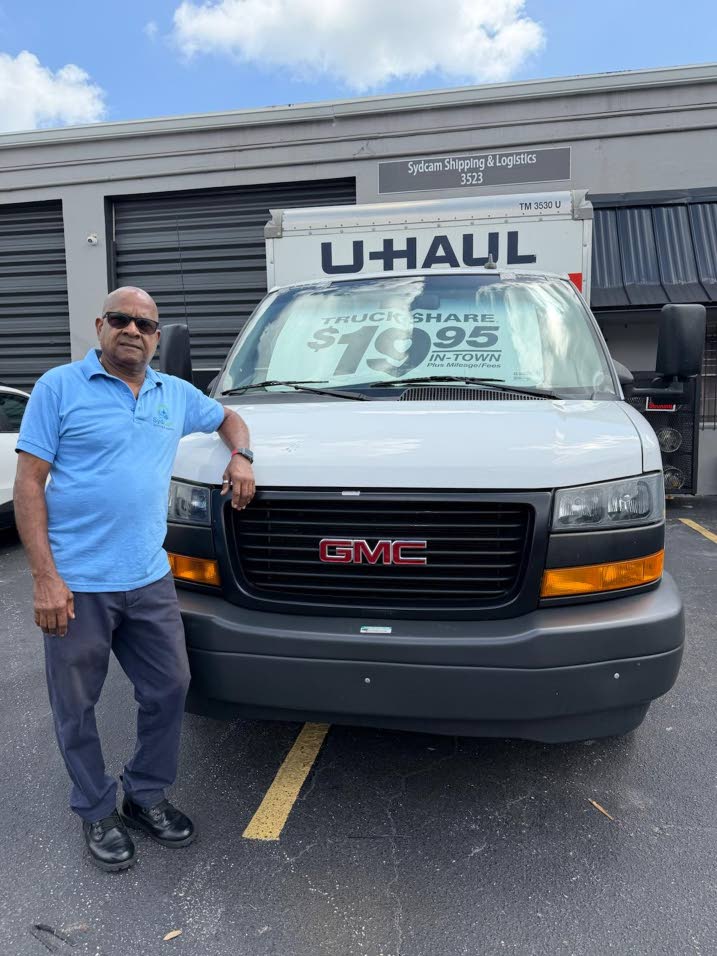
Complicating the charity’s challenge is the expiration of Jamaica’s post-hurricane customs waiver, which eliminated duty-free processing for disaster relief shipments entering the country. While local shipping firm Sydcam Shipping has stepped up to offer critical pro bono support – including free warehouse storage and a donated 40-foot container valued at roughly $3,000 USD – the KaGra Foundation still needs between $6,000 and $9,000 USD to cover the cost of transporting the container across the Caribbean to Jamaica. Once the shipment arrives on the island, additional local costs for customs clearance and last-mile distribution to affected communities are expected to total between 500,000 and 2.5 million Jamaican dollars.
As a small, privately run grassroots organisation, KaGra Foundation has no major corporate financial backing to cover these unexpected costs. Every contribution so far has come from individual community members giving whatever they can spare. “This all comes from regular people chipping in $5, $10, $20 – whatever they could afford to give,” Allen said. Before the supplies were consolidated into the donated shipping container, volunteers stored the growing stockpile across four separate volunteer family homes across South Florida. “We had no idea how much we had collected until we brought everything into one space,” Allen recalled. “It added up to roughly five full garages of supplies. The community really showed up for western Jamaica.”
Once the funding goal is met, Allen and other KaGra Foundation members plan to travel to Jamaica themselves to personally deliver the aid and directly identify the communities that are still struggling the most, seven months after the storm made landfall. “I don’t worry that it’s been this long,” Allen said. “Most formal disaster aid was distributed in the weeks right after the hurricane. The people still hurting six or seven months later are the ones that got missed, and they’re the ones who need this help the most.”
Getting the aid to Jamaica is a deeply personal goal for Allen, who calls the successful shipment the best possible birthday gift she could imagine. “Just knowing that we’re getting these vital supplies to people who genuinely need them would bring me more joy than anything else,” she said. Photos from the foundation’s South Florida warehouse capture volunteers sorting and packing the thousands of donated items, preparing for the day they can finally ship the full container to the communities waiting for help.