Barbados is taking a decisive step to address chronic strains on its national electricity network and pave the way for expanded solar energy development, with plans to acquire approximately 150 megawatts of grid-scale battery storage, Energy Minister Kerrie Symmonds has publicly announced.
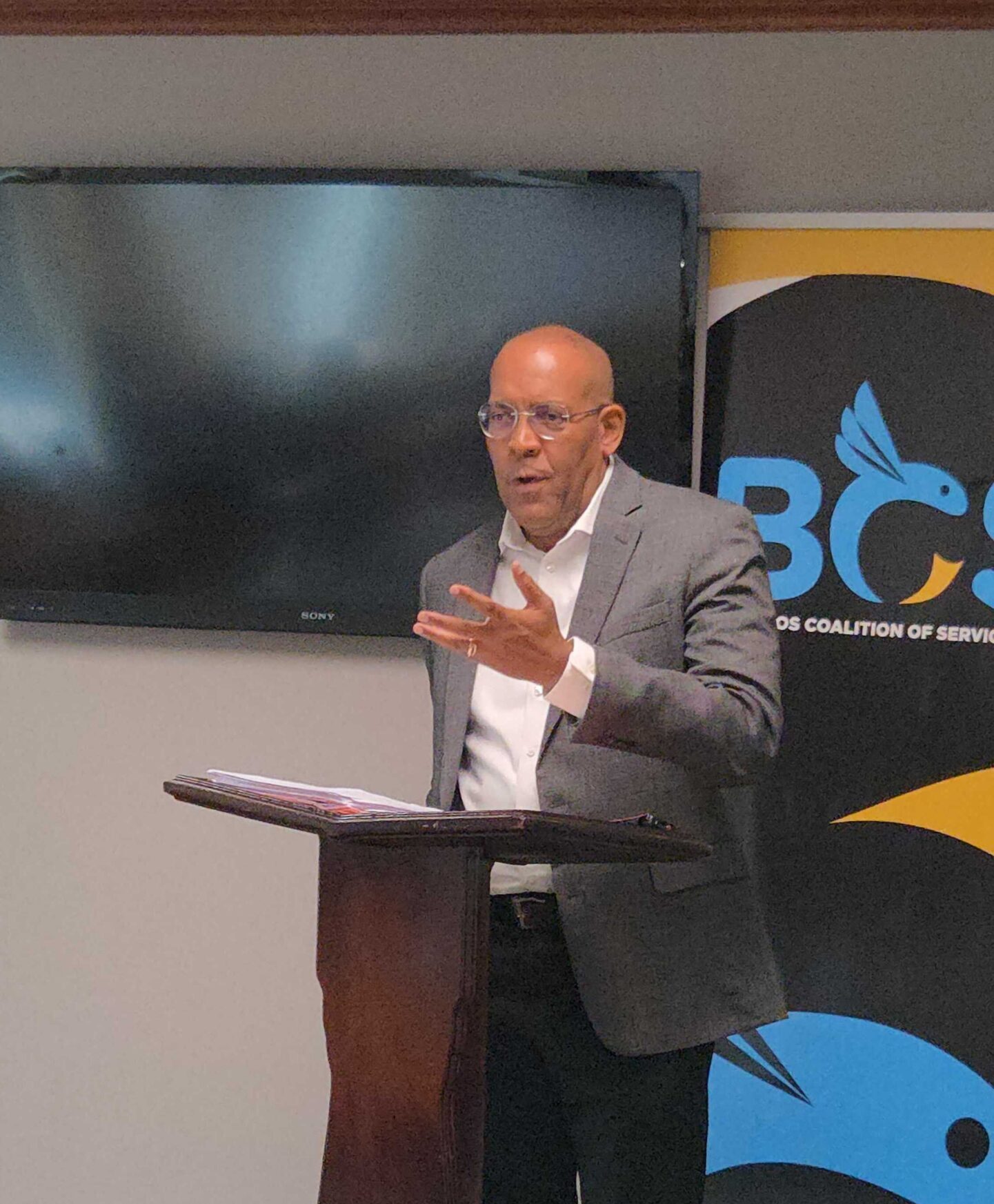
Speaking at an event hosted by the Barbados Coalition of Service Industries (BCSI), Symmonds outlined that the island nation will soon launch an international competitive procurement process for the large-scale energy storage infrastructure. The project, he explained, is a critical strategic intervention to resolve long-standing grid capacity bottlenecks that have held back the fast-growing local photovoltaic (PV) sector.
“We are launching a targeted international effort to procure roughly 150 megawatts of battery storage to resolve the challenges we face integrating renewable energy into Barbados’ grid,” Symmonds stated in his address.
As the leading market for solar adoption among English-speaking Caribbean nations, Barbados has built up a significant installed base of PV capacity. However, the country’s existing grid infrastructure lacks the flexibility to accommodate additional variable renewable energy generation without robust storage solutions, Symmonds warned. Without upgrading storage and distribution capabilities, adding more intermittent solar power risks triggering systemic instability and equipment failures.
“We already have abundant PV capacity, but we cannot simply overload transmission lines with solar energy,” he noted. “Adequate storage capacity is essential to regulate the flow of electricity onto the grid, making power available when and where it is needed across the island throughout the day.”
Symmonds emphasized that over-reliance on unmanaged direct PV generation, without modernizing distribution networks first, carries tangible technical risks. “The national utility must be able to dispatch and route power across the country. If the grid carries more volume than it is engineered to handle, that is when breakdowns and outages occur,” he said.
Once the 150MW battery storage system is deployed, the Barbadian government projects that existing grid constraints will be eliminated, clearing the way for a massive new wave of private and commercial renewable energy projects across the island. Symmonds predicted that after the storage infrastructure is operational, the country will see a resurgence in rooftop and commercial building solar installations as developers regain access to the grid.
The minister also highlighted Barbados’ strong regional standing in renewable energy deployment, noting that the country currently ranks third across the entire Caribbean for renewable energy penetration, outperformed only by Suriname and Belize—two nations that benefit from extensive, low-cost natural hydroelectric resources.
As neighboring Eastern Caribbean countries now pursue their own renewable energy transitions, Symmonds called on local industry stakeholders to expand technical training programs to position Barbados as a regional hub for green energy installation services, turning the sector into a new export opportunity.
“We know Grenada, Dominica, St Kitts, Antigua and many other neighbors are all moving down this same path,” he said. “Isn’t it time we scale up our technician training programs to build the capacity to offer these services beyond Barbados’ borders and into all these growing regional markets?”
Symmonds concluded that investing in workforce development for the energy storage and renewables sector would not only support Barbados’ own domestic energy transition, but also create a new high-growth economic driver and productive sector for the island’s economy.