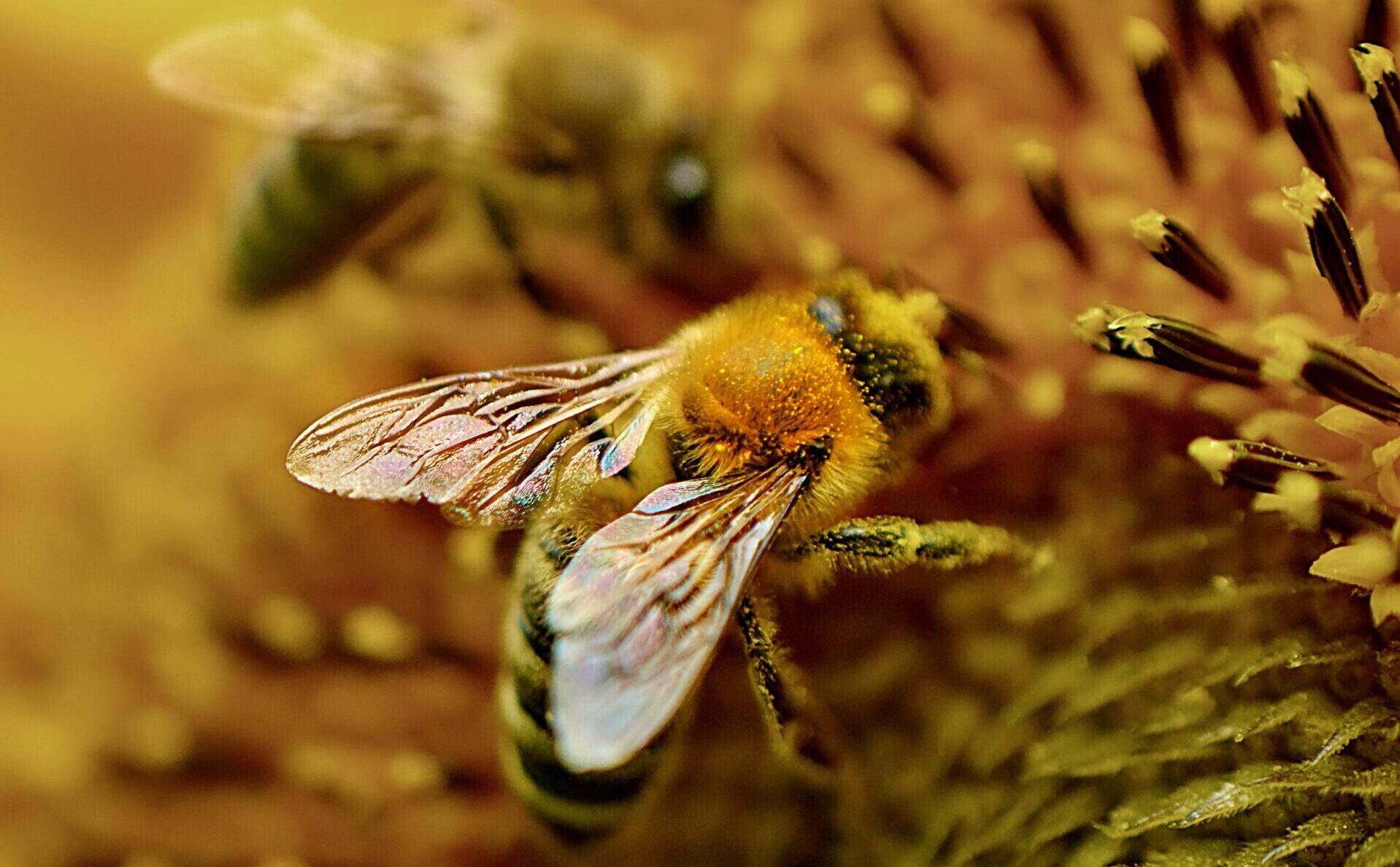
On the annual observance of World Bee Day 2026, Kevin James, President of Dominica’s National Beekeepers Cooperative Society Ltd., released a statement marking the occasion under this year’s global theme: “Bee together for people and the planet – A partnership that sustains us all.”
The statement opens by emphasizing that World Bee Day centers all pollinator species, not just domesticated honey bees. From dense native forests to small-scale family farms and residential communities across Dominica, bees and other pollinators deliver irreplaceable daily contributions to global biodiversity, stable food production, and the long-term resilience of entire ecosystems. Their survival is intrinsically tied to the health of undamaged natural habitats, a connection that underscores the urgent need for widespread environmental stewardship, climate-conscious sustainable farming practices, and greater public education around the critical role pollinators play in every person’s daily life.
For Dominica specifically, this World Bee Day also serves as a moment to assess the steady growth of the country’s domestic beekeeping sector. In ongoing cross-sector collaboration with the Ministry of Agriculture, Ministry of Environment, independent beekeepers, commercial smallholder farmers, regional agricultural bodies, and other key stakeholders, the cooperative has driven measurable progress toward strengthening and modernizing the local industry.
One of the most notable advances has come in the ongoing effort to formalize official national honey quality standards. This work is foundational to raising the overall quality of locally produced honey, safeguarding the authenticity of Dominican honey against diluted or adulterated imports, and building greater trust between consumers and local producers. These standardization efforts also create a more supportive market for the fast-growing community of value-added producers in the country, who have launched a range of innovative bee-based goods including handcrafted beeswax products, herb-infused honey lines, natural cosmetics, and other specialty items. These products expand the sector’s economic footprint and open new income streams for small-scale producers across the island.
The statement also praises the recent passage of the Food Safety Bill by Dominica’s Parliament, framing the legislation as a transformative milestone for food safety and consumer protection across the country. The new law will directly address the longstanding challenge of adulterated honey entering local markets, enforce greater accountability and transparency across the domestic food supply chain, and shield both consumers and hardworking legitimate beekeepers who adhere to strict production standards.
James expressed strong confidence in the future of Dominica’s beekeeping sector, noting that a growing number of young people are entering the industry, public awareness of pollinator protection is steadily rising, and national stakeholders are increasingly recognizing the multifaceted value that bees bring to agricultural productivity, biodiversity conservation, environmental sustainability, and overall national economic development.
Closing the statement on World Bee Day, James called on all members of the public to continue taking action to protect pollinator populations, preserve intact natural habitats that support bee colonies, and actively choose to support local Dominican beekeepers. Together, these collective efforts will build a more resilient, sustainable future for both the sector and the island as a whole. He ended by extending official wishes for a meaningful World Bee Day to all observers.