Barbados’ fishing sector stands at a critical turning point in its journey toward long-term viability within the island nation’s growing blue economy, with industry leaders arguing that targeted financial protection and retirement support for frontline workers must top the priority list for stakeholders across the country.
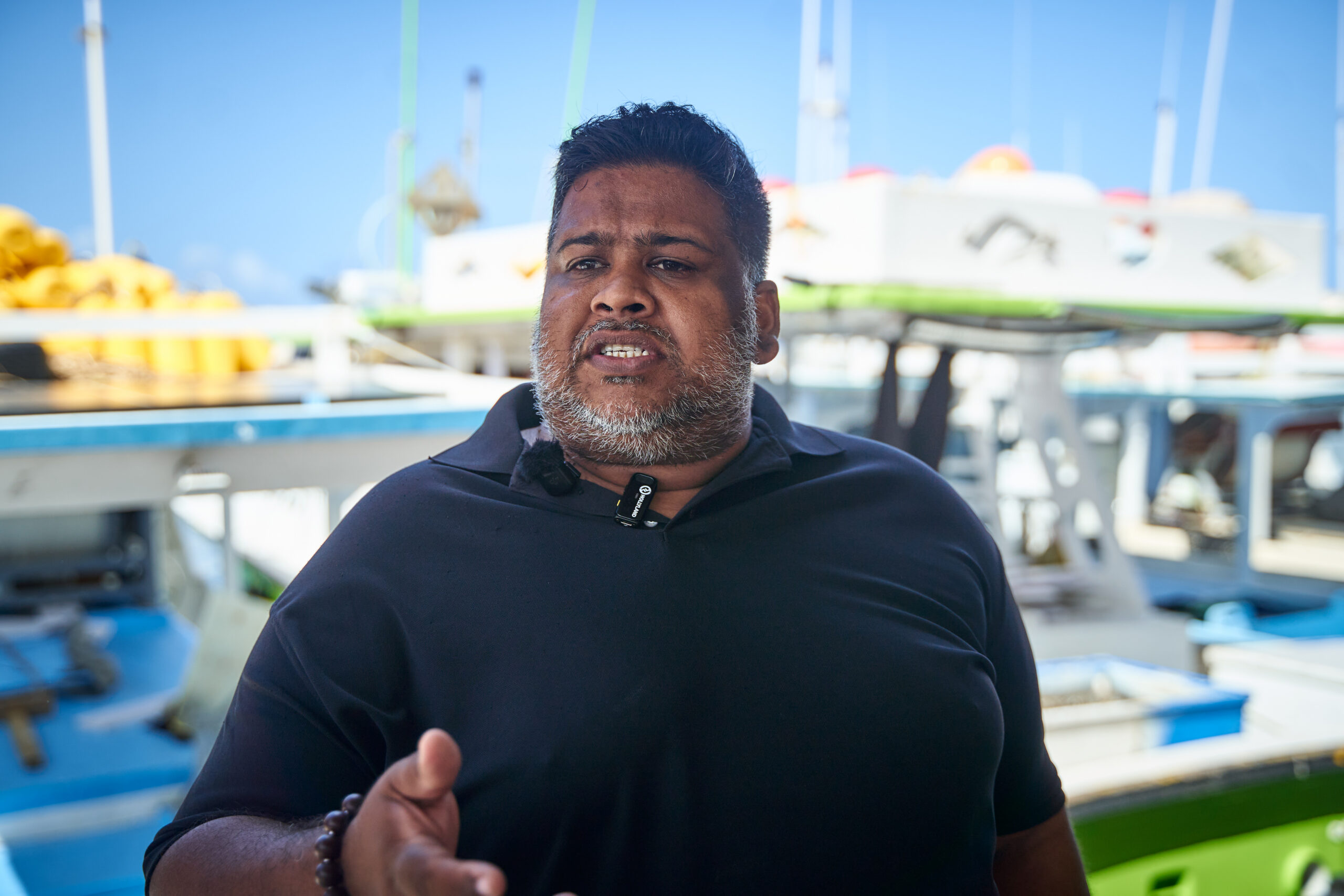
Moonesh Dharampaul, head of the Black Fin Fleet Co-operative Society, which represents 250 fishermen across the island, has opened up about ongoing productive negotiations with local insurance providers to build custom coverage packages that align with the unique risks and operational realities of commercial fishing. Dharampaul shared details of the discussions on Tuesday during a sidelines interview at the Bridgetown Fisheries Complex, where a delegation from the United Nations Food and Agriculture Organization (FAO) was conducting an official visit.
At the core of the industry’s demands is expanded financial security for working fisherfolk, with negotiators pushing to integrate multiple layers of support into new coverage plans: beyond basic accident and vessel protection, the co-operative is advocating for embedded health benefits, dedicated retirement pension contributions, and flexible parametric insurance products that are structured to respond to the specific volatility fishing crews face. Dharampaul confirmed that follow-up negotiations with insurance stakeholders were scheduled for the same day, with the group focused on striking a balance between robust worker protection and accessible, affordable premium rates that do not drive up consumer seafood costs.
Dharampaul praised the General Insurance Association of Barbados for its collaborative, good-faith approach to the talks, noting that significant progress has already been made in bringing premium costs down. Currently, the co-operative has secured a preliminary rate of 3% for comprehensive industry-wide coverage, and Dharampaul confirmed that the collective negotiating power of the 250-member group will push that rate down even further to 2.5%—a milestone he called a meaningful step forward for the entire sector.
A key long-term goal of the negotiations is moving away from one-size-fits-all standard marine insurance policies, which Dharampaul explained have repeatedly failed to address the unique needs of commercial fishing operations. These ill-fitting existing policies were the core reason many local fishermen were initially hesitant to sign up for coverage, he added, with many workers skeptical that policies would deliver meaningful support when it was needed. The co-operative has also received strong backing from senior local fisheries regulators, Dharampaul said, singling out Chief Fisheries Officer Dr. Shelly-Ann Cox for her relentless work to ensure any new insurance products introduced to the sector are properly tailored to the needs of workers.
While near-term reforms focus on partnering with existing insurance providers to build better products, Dharampaul stressed that the ultimate ambition of Barbados’ fishing community is to develop an independent, industry-governed self-insurance model. This homegrown framework would keep all financial benefits within the fishing sector, he explained, allowing the industry to reinvest savings into growth, keep consumer fish prices stable, and retain full control over its own operational governance. Dharampaul emphasized that affordable coverage is not just a win for fishermen—keeping premium costs low is critical to avoiding additional price hikes for consumers, who already face elevated fish prices in local markets. The co-operative’s goal, he said, is to secure the best possible terms that support both workers and consumers, strengthening the sector’s role in the national blue economy for decades to come.