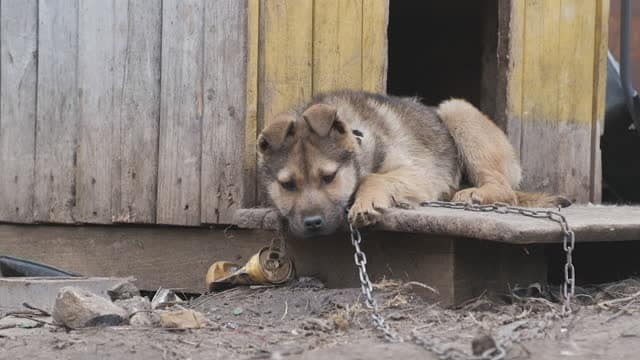
GLOBALLY RENOWNED as a postcard-perfect Caribbean luxury travel hotspot, Antigua and Barbuda has built its $1.5 billion tourism industry on a reputation of 365 sun-drenched beaches, five-star oceanfront resorts, and warm, world-famous hospitality. For millions of first-time and returning visitors, the nation delivers exactly the idyllic escape it advertises — but a devastating, underreported crisis is festering beneath this polished exterior, threatening both the island’s most vulnerable creatures and its global brand.
Across the country’s cities, rural towns, and even popular tourist corridors, a rapidly growing population of unhoused, neglected stray animals struggles daily to survive. Sick, underfed, and suffering from untreated conditions like severe mange, these animals are increasingly visible to the millions of tourists Antigua works hard to attract each year, turning idyllic vacations into jarring, traumatic experiences for many. Local grassroots animal welfare advocates have spent years sounding the alarm about this crisis, but systemic gaps in policy, funding, and enforcement have left the entire burden of care on overstretched private rescuers.
At the front lines of this quiet emergency is Dogs and Cats of Antigua, one of the nation’s leading independent animal rescue organizations. Alongside a network of volunteer rescuers, the group works around the clock to pull injured and sick animals off the streets, fund emergency veterinary care out of their own pockets, deliver donated food to colonies of strays, and find permanent foster or adoptive homes for as many animals as they can. Every day, the organization’s social media feeds document the scale of the crisis: photos of emaciated puppies abandoned by roadsides, urgent calls for donations to cover life-saving vet treatment, and appeals to the public for information on abusive owners.
What makes this crisis especially devastating, advocates argue, is that the legal framework to address animal cruelty already exists. The country’s longstanding Animal Health Act explicitly bans animal mistreatment and neglect — but the law is almost never enforced. To date, the national government has not matched public commitments to animal welfare with sustained budget allocations for enforcement or population control, and acts of abandonment and abuse almost always go unpunished. This lack of action leaves the entire $1.5 billion tourism industry, which forms the backbone of Antigua and Barbuda’s national economy, exposed to growing reputational damage. In an era of social media and instant online reviews, traumatized visitors regularly share their encounters with suffering stray animals, turning negative firsthand experiences into viral bad press that deters future luxury travelers.
Advocates are now calling for urgent, coordinated action from three key stakeholders: the national government, the powerful private tourism sector, and the local community. Their core demands focus on four key pillars of meaningful reform. First, they push for consistent, strict enforcement of existing animal protection laws, requiring police and the judiciary to treat cruelty and abandonment as the serious offenses they are. Second, they call for government-funded, mandatory spay and neuter programs to humanely reduce the stray population over time, addressing the root cause of the crisis. Third, they ask for sustained institutional and financial support for registered rescue groups, who currently carry the full cost of care despite doing work that benefits the entire nation.
Advocates are quick to emphasize their gratitude for the tireless work of local volunteers and independent organizations, who have given thousands of neglected animals a second chance at life despite limited resources. But they also stress that voluntary charity alone cannot solve a systemic crisis of this scale. True paradise, advocates argue, is not just a beautiful landscape for wealthy tourists to enjoy from a resort balcony — it is a community that protects and cares for all its most vulnerable living beings. If Antigua and Barbuda wants to preserve its standing as a top-tier global travel destination, it must step up and address the stray animal welfare crisis that is already eroding its reputation.