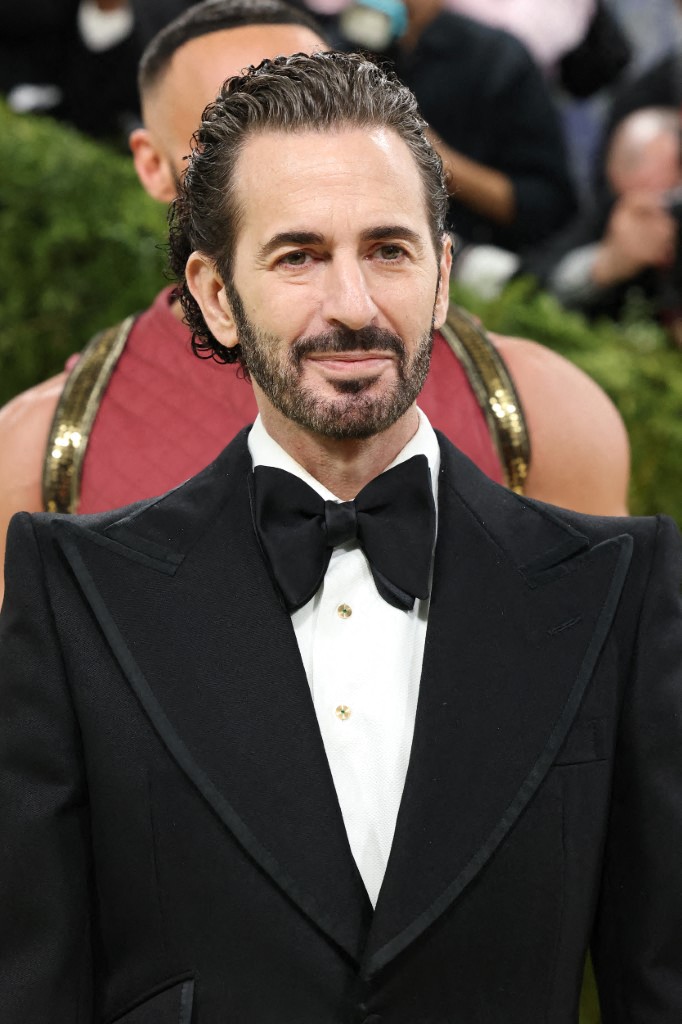
In a major strategic shakeup of the global luxury fashion landscape, French luxury conglomerate LVMH announced Thursday it has reached a definitive agreement to sell its 28-year-old holding, the Marc Jacobs brand, to U.S.-based brand management firm WHP Global. The transaction, which is on track to close by the end of 2025 following completion of mandatory regulatory reviews, will retain brand founder Marc Jacobs in his role as creative director, a position he has held since the label was integrated into the LVMH portfolio back in 1997.
Marc Jacobs rose to become one of the most influential fashion labels of the early 2000s, drawing global acclaim for its boundary-pushing designs and cementing Jacobs’ reputation as a leading voice in contemporary fashion. However, in the years following its peak popularity, the brand gradually lost market momentum and underwent a series of overhauls to its business model in search of long-term commercial viability. After years of restructuring, multiple industry outlets confirm the brand has now returned to consistent profitability, setting the stage for LVMH’s divestment.
Per details from a separate statement issued by apparel conglomerate G-III, the company will join WHP Global as co-owner of Marc Jacobs through a 50/50 joint venture. G-III plans to invest approximately $500 million in the deal, which will be funded through a combination of existing cash reserves and new debt financing. Under the terms of the agreement, G-III will take responsibility for running Marc Jacobs’ direct-to-consumer retail and wholesale operations, while WHP Global will oversee overall brand strategy and intellectual property. WHP Global already manages a portfolio of well-known lifestyle and fashion labels including rag & bone, G-Star RAW, and Vera Wang.
In a joint statement released alongside the announcement, Marc Jacobs expressed deep gratitude to LVMH chair and CEO Bernard Arnault, the wealthiest person in France, for three decades of unwavering support. Before stepping back to focus entirely on his eponymous label, Jacobs served 16 years as the artistic director of Louis Vuitton, LVMH’s flagship luxury brand that drove much of the group’s global growth during his tenure. “I remain committed in my role as creative director of Marc Jacobs International and look forward to this bright new chapter,” Jacobs added.
Arnault also praised Jacobs’ contributions to the global fashion industry, highlighting the designer’s “unique vision” and “undeniable” impact that shaped LVMH’s development over the past 30 years.
Industry rumors of a potential sale first emerged in July 2024, when The Wall Street Journal, citing anonymous sources familiar with the negotiations, reported LVMH was in talks to offload Marc Jacobs in a deal valued at roughly $1 billion. At the time, the report noted the French conglomerate was in discussions with multiple potential suitors, including Authentic Brands Group — the owner of Reebok — and WHP Global.
The sale of Marc Jacobs comes as LVMH, the world’s largest luxury goods group by revenue that counts Dior, Celine, and Moët Hennessy among its dozens of brands, navigates a challenging global economic environment. In a recent corporate update, the group reported a 22% year-over-year drop in net profit for the first half of 2025, noting that the business demonstrates “good resilience” despite ongoing geopolitical and economic disruptions amplified by the ongoing conflict in the Middle East. LVMH first signaled slowing demand back in April, when it reported a 6% year-over-year decline in overall first-quarter revenue.