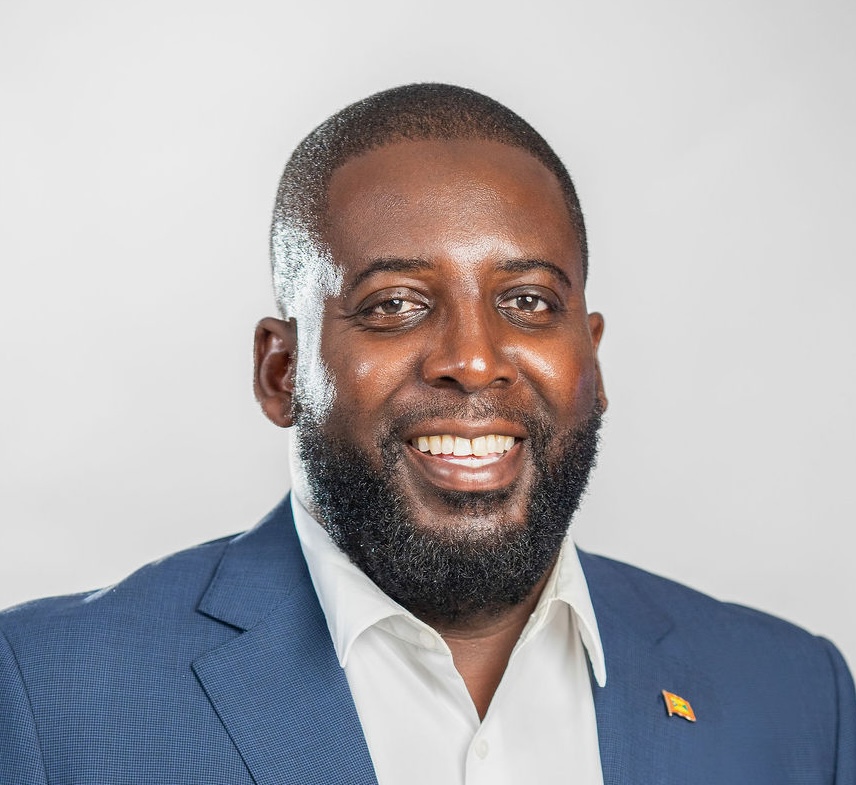
By Adrian Joseph, DBA
Every generation of Grenadians carries a core responsibility: to nurture a stronger, more equitable nation while acting as responsible stewards of the country’s natural and social fabric for those who will come after. This mission demands people-centered progress rooted in innovation, robust protection of human rights, unwavering commitment to environmental sustainability, and thoughtful management of the complex, fast-shifting social dynamics shaping modern Grenada.
Crucially, development must never come at the cost of public health, community safety, environmental integrity, or the long-term economic well-being of ordinary citizens. Today, that principle is being put to the test in Beausejour and its surrounding neighborhoods, where local residents’ calls for the government to enforce proper planning rules, deliver meaningful community consultations, and uphold environmental standards have been dismissed.
At the center of the conflict is the Rayneau Group of Companies’ asphalt production facility, sited directly within a densely populated residential zone and just meters away from critical community infrastructure. The plant sits a mere 143 meters from a public playing field, 300 meters from a pre-primary school, 500 meters from a secondary school, 151 meters from a Seventh-day Adventist Church, and less than 100 meters from a local river – creating immediate, severe risks of toxic chemical runoff that could contaminate local water supplies.
Public health advocates warn that it is only a matter of time before the facility’s industrial activity triggers a major environmental disaster and widespread chronic health issues, particularly among the most vulnerable residents: the elderly, young children, and people living with pre-existing health conditions. Too often, the full negative impact of unregulated industrial development only becomes visible once irreversible harm has been done, yet some officials have chosen to ignore the risk, hiding behind outdated, industry-friendly justifications for inaction. While the mistakes of the past cannot be undone, Grenadians have a collective duty to act now to build a better future for all, regardless of political affiliation or socioeconomic status. Every person in this country has an equal right to live in a clean, healthy environment.
The ongoing disregard for the rights of affected communities around the Rayneau plant runs counter to both Grenada’s national legislation and its binding international obligations. Multiple international human rights and environmental frameworks explicitly require signatory states to take proactive action to protect public health and prevent environmental harm. As a party to the International Covenant on Economic, Social and Cultural Rights, Grenada is legally obligated to uphold the right to the highest attainable standard of health – a right that international legal bodies have explicitly interpreted to include protection from environmental hazards like industrial air pollution and toxic exposure. Similarly, the International Covenant on Civil and Political Rights guarantees the fundamental right to life, which modern international jurisprudence has expanded to require protection from life-threatening environmental conditions. The United Nations Human Rights Council’s recent formal recognition of the universal right to a clean, healthy, and sustainable environment further strengthens this binding obligation.
These human rights commitments are reinforced by multilateral environmental agreements including the Basel Convention and the Stockholm Convention, which mandate that member states regulate industrial waste, limit toxic emissions, and prevent harm to human health and ecosystems. The unregulated, potentially dangerous emissions from the Beausejour asphalt facility clearly fail to meet Grenada’s obligations under these agreements.
A core contradiction lies at the heart of this crisis: Grenada’s leaders frequently deliver bold speeches about global climate action and environmental protection on the international stage, but fail to enforce those same standards at home. One of the most critical gaps in this case is the absence of a required Environmental and Social Impact Assessment (ESIA) – a mandatory step under Grenadian law designed to identify risks to communities and ecosystems, facilitate stakeholder engagement, and implement mitigation measures to protect affected populations. While an ESIA is not the only consideration for development projects, it must be a non-negotiable part of planning and regulatory review. Developers like Rayneau must not be allowed to flout ESIA requirements with impunity, as the long-term consequences for local communities and the environment can be catastrophic.
This crisis raises deeper questions about political leadership and accountability in Grenada: do the government’s commitments to climate action and public health only apply to international speeches, or will they be enforced at home for ordinary Grenadian communities? Time and again, Grenadian ministers take global stages to warn of the urgent threat of climate change and environmental harm, yet back home their words ring hollow. Across local communities, unregulated development, weak regulatory enforcement, and systemic failure to manage environmental and public health risks have become the norm.
The old African proverb says it takes a village to raise a child – and it takes an engaged, united village to build a just nation. Today, that village must stand with the Beausejour residents who breathe polluted air every day, the parents who worry about their children’s long-term health, and all citizens who believe Grenada’s communities deserve better. If we stay silent while this violation continues, our public health, our natural environment, and the future of generations to come will pay the price. We must demand immediate action to review and reverse the decision to allow the Rayneau facility to operate at its current residential location.
This campaign is not anti-development. It is a demand that all development in Grenada be responsible, compliant with national law, and aligned with the fundamental right to health and dignity that every community deserves. I am calling for an immediate suspension of all operations at the Rayneau industrial facility, pending a full, independent assessment of its environmental impact, public health risks, and compliance with national regulatory requirements. No Grenadian should be forced to endure illegal, unregulated disregard for their health and well-being, left to wonder what toxins they are inhaling with every breath they take.
*Disclaimer: NOW Grenada is not responsible for the opinions, statements or media content presented by contributors. In case of abuse, click here to report.*