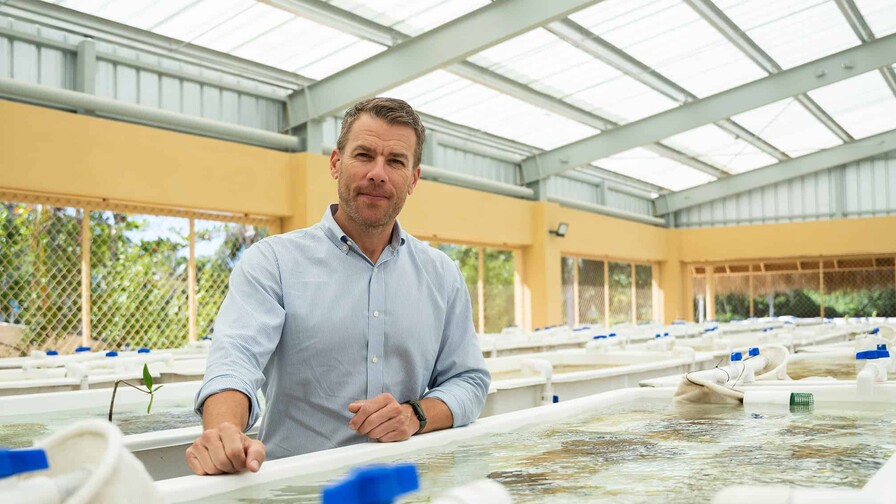
PUNTA CANA, Dominican Republic – As one of the Caribbean’s most popular tourist destinations, the Dominican Republic’s long-term prosperity in the travel sector faces a far more dangerous risk in environmental degradation, particularly the accelerating loss of coral reef ecosystems, than gaps in tourism infrastructure, a leading regional environmental leader has warned. Jake Kheel, vice president of the Puntacana Foundation, an organization focused on conservation and sustainable development in the region, shared his assessment via social media amid growing debate over the direction of development in Punta Cana.
Kheel’s comments echoed recent concerns raised by industry figure Frank Rainieri, who has drawn attention to the risks of uncontrolled, unregulated coastal development across the Punta Cana region. While Kheel backed Rainieri’s worries about unplanned growth, he emphasized that the most critical threat to the area’s tourism economy is flying under the radar of policymakers and development leaders.
“You cannot build a prosperous, long-lasting tourism economy on top of a dead marine environment,” Kheel stated, underscoring that once coral reefs are destroyed, the damage is permanent and cannot be undone. Coral reefs are not only critical to marine biodiversity, they also protect coastlines from erosion, support fisheries that feed local communities, and are a major draw for snorkeling, diving, and beach tourism that drives billions in annual revenue for the Dominican Republic.
Currently, there are promising local initiatives working to reverse reef decline, Kheel noted. For example, the Marine Innovation Center located in Playa Blanca has made notable progress in its core mission: growing coral strains that can survive rising ocean temperatures and acidification linked to climate change, while also training the next generation of marine scientists to lead local conservation work. But these isolated efforts are not enough to turn the tide of reef loss across the country, Kheel explained.
To effectively protect the ecosystems that underpin the Dominican Republic’s $10 billion-plus tourism industry, Kheel called for much broader and more robust participation from the private sector, from major hotel chains to tour operators that benefit directly from healthy coastal environments. In closing, Kheel stressed that while infrastructure projects such as new roads, airports, and hotel facilities can be built gradually over years, marine ecosystem protection cannot wait. The irreversible nature of coral reef loss makes urgent action non-negotiable to safeguard the Dominican Republic’s most valuable economic asset for future generations.