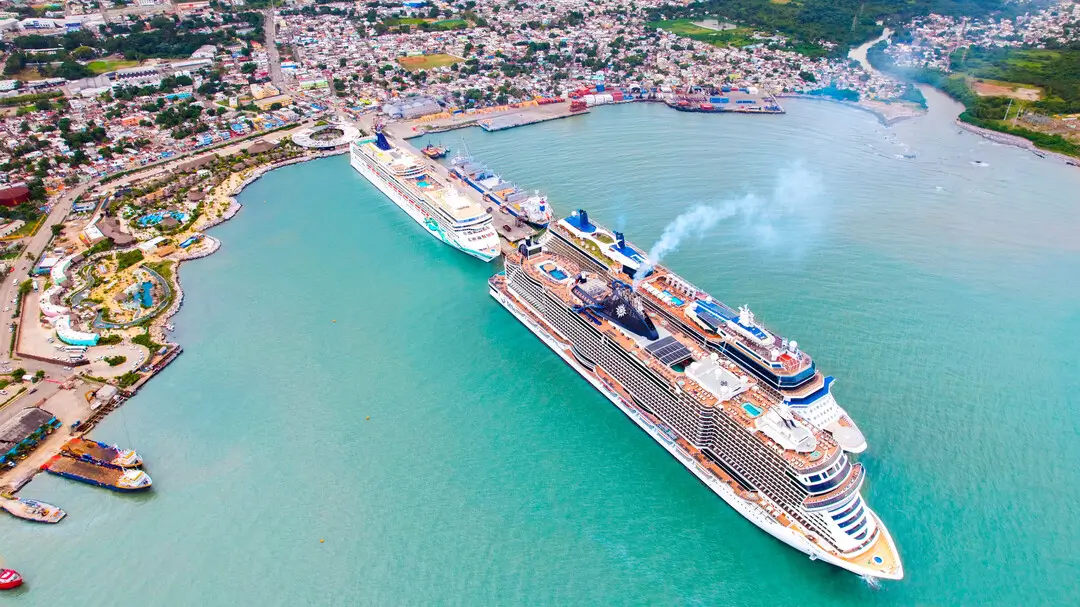
The global cruise industry has been grappling with mounting financial strain driven by soaring and unpredictable fuel prices, and three major Caribbean tourism destinations – the Dominican Republic, Jamaica, and the Bahamas – have teamed up to roll out a coordinated regional strategy designed to reinvent and strengthen the sector, industry outlet Travel And Tour World reports.
Fuel oil typically makes up between 15% and 25% of a cruise line’s total operating expenses, meaning the recent volatility in global energy markets has hit operator bottom lines disproportionately hard. To offset these rising costs and preserve profit margins, major cruise companies have already begun shifting their operational models: they are streamlining voyage routes, cutting back on the number of port stops per trip, and shortening average itinerary lengths. Traditional 7 to 10-day cruises that once dominated Caribbean offerings are increasingly being replaced by shorter 3 to 5-day getaways, a change that has forced regional destination providers to adapt to new industry norms.
In response to this shifting landscape, the three participating nations are leaning into collective action to build long-term resilience for their shared cruise tourism sector. The multi-pronged strategy includes investments in new purpose-built cruise port infrastructure, upgrades to existing on-shore visitor attractions, and the implementation of aligned regional policies crafted to draw more cruise lines and retain passenger volumes. Proponents of the plan note that deeper cooperation will also give the region greater flexibility to adjust routes dynamically in response to ongoing fluctuations in the global energy market, a key advantage over individual uncoordinated adaptations.
Cruise tourism has long stood as one of the foundational economic pillars for Caribbean economies, generating billions in annual revenue, supporting hundreds of thousands of local jobs, and sustaining widespread small business activity across coastal communities. But the sector’s heavy reliance on fossil fuel-powered maritime transport leaves it uniquely exposed to external global energy shocks, a vulnerability that has underscored the urgent need for long-term structural change across the region.
For the Dominican Republic specifically, cruise activity is the lifeblood of key coastal tourism hubs including Puerto Plata and La Romana, where every ship’s arrival ripples through local economies, supporting everything from street vendors and tour operators to hotels and transportation services. Dominican tourism authorities have already prioritized expanding local visitor attractions and upgrading port facilities to keep the country competitive in a shifting market. Through its participation in this regional diversification push, the nation aims to lock in its status as a core stop on major Caribbean cruise routes, while building the flexibility needed to thrive amid a global operating environment defined by persistent energy uncertainty and rising maritime transportation costs.