As a small island nation with an outsized maritime footprint, Barbados is moving to cement its legal control over territorial waters, offshore natural assets, and fast-growing emerging maritime sectors through a sweeping new piece of legislation that also addresses two of the 21st century’s most pressing and emerging priorities: climate change-driven sea level rise and the growing intersection of ocean activity and outer space innovation.
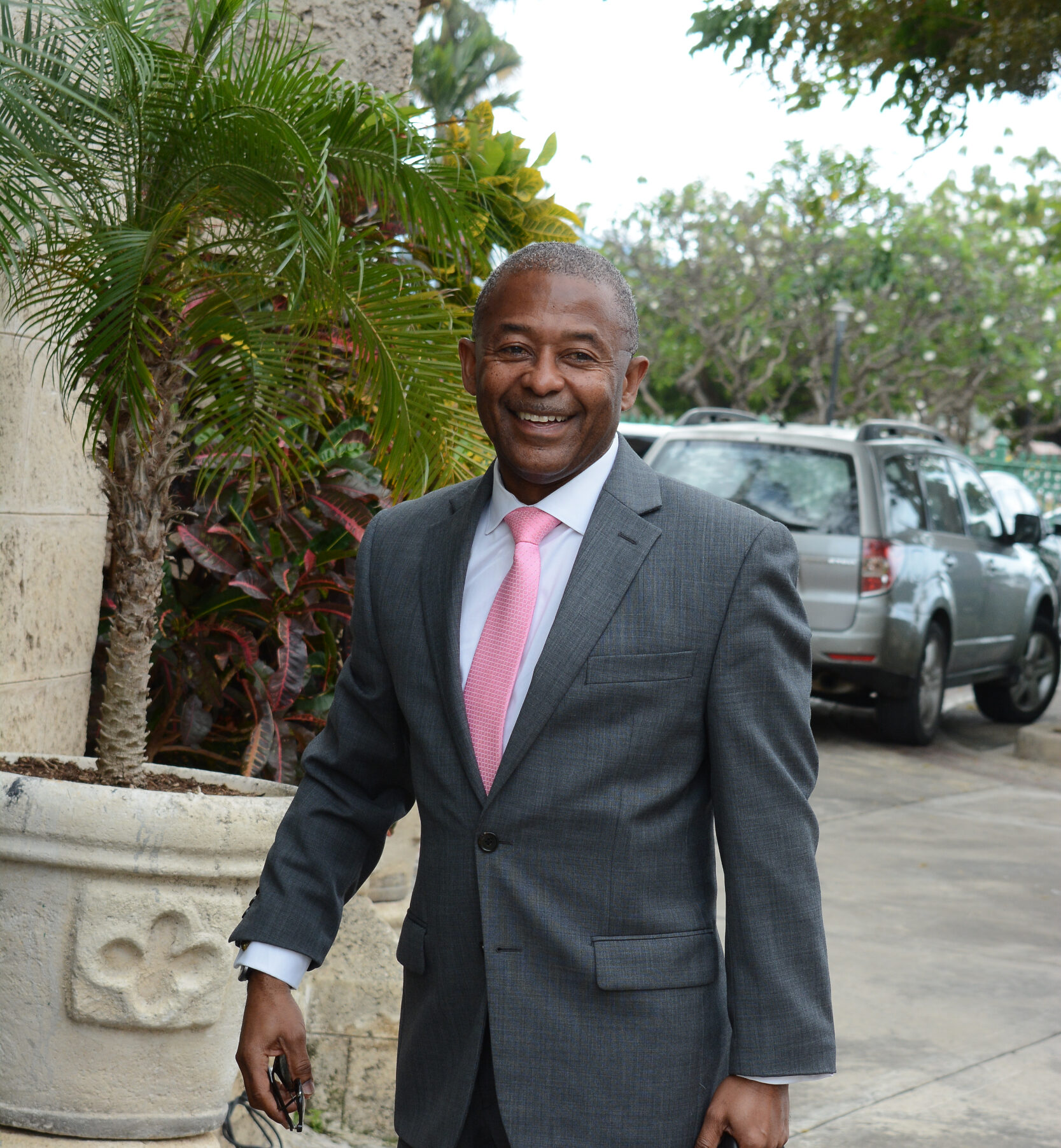
The comprehensive Maritime Areas (Jurisdiction and Rights) Bill was formally tabled in Barbados’ House of Assembly this Friday by Ian Gooding-Edghill, the country’s Minister of Tourism and International Transport. Gooding-Edghill framed the legislation as a landmark update that brings the nation’s domestic legal framework fully into alignment with the United Nations Convention on the Law of the Sea (UNCLOS), the foundational global agreement governing maritime rights and responsibilities.
Speaking to fellow members of parliament, the minister outlined the core goals of the proposed law: to build a clear, robust legal regime governing all of Barbados’ maritime territories, formalize the boundaries of the nation’s sovereign authority and jurisdiction, enable more effective sustainable stewardship of marine resources, and embed internationally recognized standards for the protection of fragile marine biodiversity. Beyond foundational boundary-setting, the bill grants expanded enforcement authority to Barbados’ maritime law enforcement personnel, including the right to board, arrest individuals on, and seize vessels without a warrant in specific high-priority circumstances.
The legislation formalizes Barbados’ long-held claims under UNCLOS to its full network of maritime zones, including internal waters, a 12-nautical-mile territorial sea, and a 200-nautical-mile exclusive economic zone (EEZ). Within the 12-nautical-mile territorial sea, the bill confirms Barbados’ full sovereignty over all assets, from the airspace above to the seabed and subsoil below the water column. The EEZ designation grants the nation exclusive economic rights to all offshore resources and commercial activity within that zone, a protection Gooding-Edghill emphasized has grown increasingly critical as oil and mineral exploration accelerates across the Caribbean region.
“There are people drilling for oil all over the globe and especially within the Caribbean Sea,” Gooding-Edghill told MPs. “It is important for us to ensure that we have exclusive jurisdiction of our zones and that we maintain our sovereign rights.”
The bill also extends Barbados’ legal authority to offshore islands, artificial installations, and maritime infrastructure, granting regulators oversight over key governance areas including customs, immigration, and public health and safety rules. Beyond resource protection, the legislation unlocks new economic development potential: Barbados’ total maritime area is far larger than its land territory, opening opportunities across shipping, coastal infrastructure development, and sustainable marine tourism.
Forward-looking provisions set the legislation apart from outdated existing frameworks. It includes explicit legal language that preserves Barbados’ sovereign claims and maritime boundaries even in worst-case climate scenarios, where rising sea levels lead to partial submergence of the nation’s territory. The bill also breaks new ground by addressing the fast-growing overlap between the maritime and space sectors, explicitly extending legal oversight to “space-related ocean activities” and even research related to extraterrestrial oceans, under the purview of the government ministry responsible for space affairs.
Gooding-Edghill confirmed his team is already exploring the synergies between the two sectors, hinting at upcoming opportunities that could benefit key parts of the Barbadian economy, including education, tourism, and youth employment. “Barbadians should ‘stay tuned’ for interesting and exciting opportunities” that will deliver widespread benefits, the minister added.