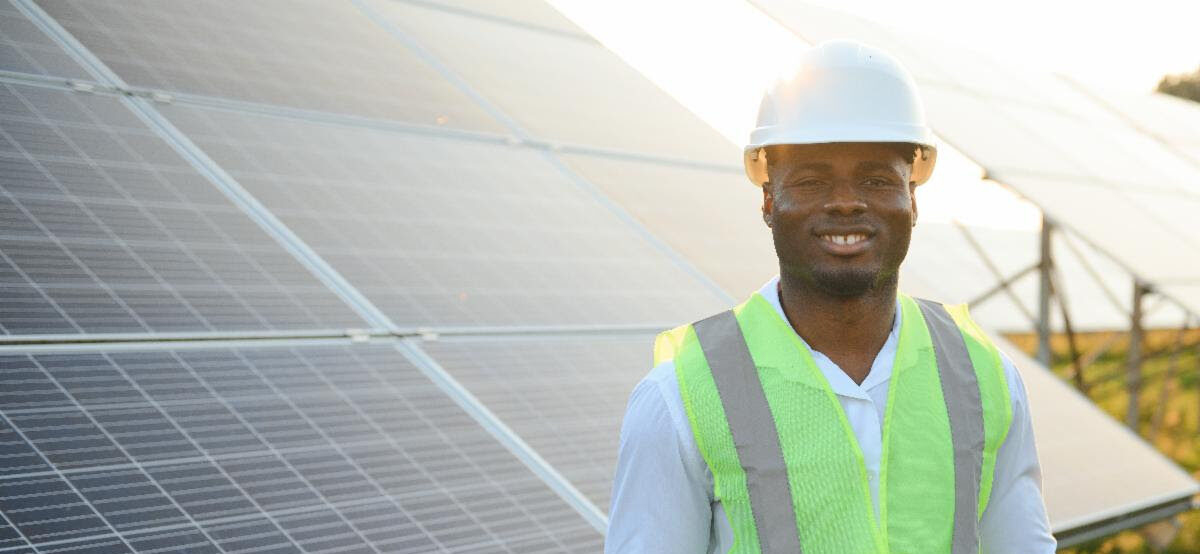
As Caribbean nations grapple with sky-high energy costs, persistent economic strain, and intensifying climate risks, a landmark seminar focused on accelerating the region’s shift from imported fossil fuels to renewable energy is set to take centre stage at the Caribbean Development Bank’s (CDB) 56th Annual Meeting of the Board of Governors in Nassau, The Bahamas.
Scheduled for Thursday, June 4, 2026, from 9:00 AM to 10:30 AM Atlantic Standard Time, the 90-minute session titled *Energy Transition: The Key to a More Resilient Caribbean* is framed as one of the flagship discussions of the week-long gathering, which runs from June 1 to 5. The event aligns with the annual meeting’s overarching theme: *Forging the Caribbean’s Future: Strategic Solutions for Uncertain Times*, which aims to equip regional stakeholders with actionable approaches to navigate economic volatility, fiscal headwinds, and growing climate-driven threats.
The core impetus for the seminar stems from a long-standing crisis plaguing the region: crippling dependence on imported fossil fuels that has pushed electricity prices to among the highest globally. According to CDB data, commercial electricity rates across the bank’s Borrowing Member Countries average roughly US$0.37 per kilowatt-hour — almost three times the average rate across the United States. William Ashby, Acting Division Chief of CDB’s Economic Infrastructure Division, emphasized that this extraordinary cost burden weighs disproportionately on micro, small, and medium enterprises (MSMEs), eroding the Caribbean’s overall economic competitiveness. Beyond cost concerns, the fossil fuel dependence also leaves regional energy systems vulnerable to global price shocks and supply chain disruptions, undermining long-term energy security.
To meet existing national renewable energy targets set by Caribbean nations, CDB estimates that approximately US$11 billion in targeted clean energy investment will be required between 2020 and 2030. To unlock this level of financing and progress, officials argue that deeper regional cooperation, progressive policy reform, and creative, accessible financing mechanisms are no longer optional — they are critical necessities.
The seminar will convene a cross-sectoral lineup of key stakeholders, including regional government policymakers, leading energy sector specialists, global and regional financiers, and international development leaders, all to debate and co-develop practical strategies to speed up the transition to low-carbon energy systems. Key topics on the agenda include modernizing aging regional electricity grids to accommodate variable renewable energy sources like solar and wind, updating regulatory frameworks to draw more private sector investment into clean energy projects, and expanding access to blended financing — a model that combines public and private capital to de-risk emerging renewable initiatives.
The session will also showcase CDB’s own ongoing renewable energy work across its member states, which forms a core pillar of the bank’s 2026–2035 strategic plan, *Transforming the Caribbean for Resilience*. Confirmed featured speakers bring on-the-ground expertise from across the region: Barbados’ Kerrie Symmonds will outline his country’s national Energy Transition and Investment Plan; Toni Seymour will share updates on utility modernization and transformation efforts in host country The Bahamas; Mohammad Rafik Nagdee will deep dive into pathways for expanded renewable energy financing and project development; and Timothy N. J. Antoine will offer perspective on how clean energy transition strengthens broader regional economic resilience.
For those unable to attend the event in person, CDB has announced that all public sessions of the 56th Annual Meeting, including the energy transition seminar, will be streamed live for free via the bank’s official YouTube, LinkedIn, and Facebook platforms, opening the discussion to global stakeholders and interested observers.